Lager, derived from the German word for "storage", is a beer fermented with yeast at the bottom of a barrel and then stored at low temperatures. Barrel fermentation, as the name suggests, means that the yeast sinks below the wort during fermentation. The fermentation temperature is generally 10-12 degrees Celsius. The characteristics of lager beer are short fermentation time, large output, high efficiency, and easy control of taste consistency. Most lagers focus on the freshness and malt aroma, and some special lagers also have fruit or nut aromas.
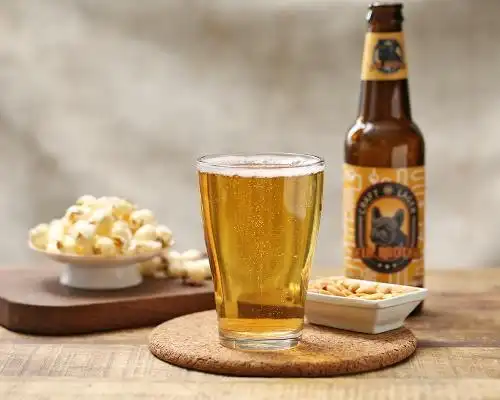
Pale Lager is the most popular type of beer in the world today. The main product of large industrial breweries in various countries, commonly known as "big green sticks", belongs to pale lager. Some breweries will intentionally or unintentionally promote their products as "Pilsner" during marketing. In fact, depending on the brewery, the "big green stick" may correspond to the American light Lager (1A), American Lager (1B or International Pale Lager (2A) in the BJCP Classification Guide. Here we simply call it "pale lager". The original source of pale lager is indeed Czech Pilsner and German Pilsner, but in order to reduce the cost of raw materials, most industrial breweries will add auxiliary materials such as rice and corn to pale lager. The body of the wine is light ("water"), the carbon dioxide content is high, it is refreshing and thirst-quenching, and it is very easy to drink. The product has a light malt and hop flavor, and may have the sweet aroma of bread or malt, grain, and a slight spicy, floral or herbal aroma of hops. This is a kind of wine that makes us love and hate it. On the one hand, pale lager is very approachable in terms of price, taste and drinking scene. On the other hand, inferior pale lager may contain high acetaldehyde and fusel alcohols, which can easily make the public disgusted with beer and cause headaches the next day. ;Improper transportation and storage can cause beer oxidation, and transparent and green bottle packaging can easily cause sunlight odor... But these are not the problems of pale lager, but the problems of bad breweries and merchants who blindly pursue profits and lack beer knowledge. For this reason, when we drink a glass of cool, delicious, and high-quality pale lager, we should feel very cherished and have another glass.
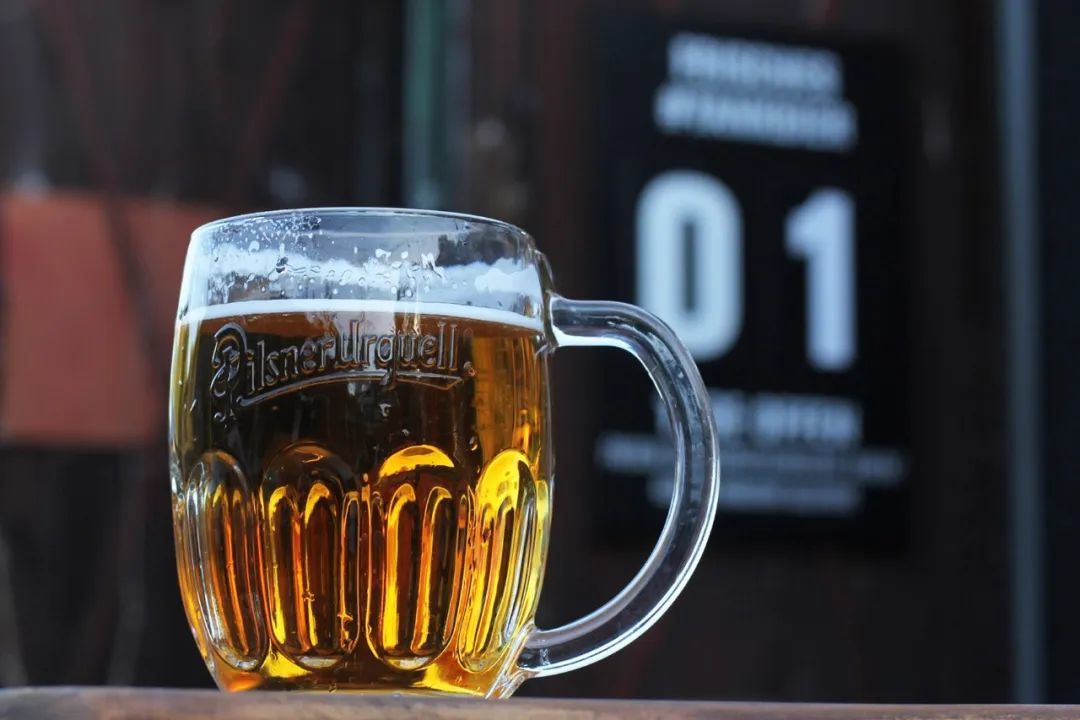
On the "Double Eleven" day in 1842, wine lovers in Pilsen, Bohemia, Czech Republic, came to the Citizens' Brewery (Czech: Bürger Brauerei) to launch a new beer. Unlike the previous dark, top-fermented ale beer, this is the world's first pale lager beer that can be traced back. This beer uses light malt and Bavaria bottom fermentation technology, and finally presents an attractive golden transparent body.
In 1859, the Citizens Brewery registered the "Pilsner Beer (Pilsner Bier) as a trademark, becoming the ancestor of all kinds of "Pilsner" beer today. In 1898, the brewery was renamed Plzensky Prazdroj (PilsnerUrquell, Chinese name "Urquell" or "Bosna"), which means "authentic Pilsner Brewery". To this day, only Urquell beer is called "Pilsner" in the Czech Republic.
Czech Premium Pale Lager (3B), represented by Urquell, is brewed with Czech malt, Czech lager yeast, Czech noble hops (such as Saaz) and soft water. The transparent body is golden to dark golden, and the foam is white and delicate, and it hangs on the wall for a long time. The wine has a distinct bread aroma, as well as the typical floral, spice and herbal aroma of noble hops. The bitterness is high, but not irritating. The taste is smooth and smooth, with a long aftertaste. The version with a similar flavor but thinner body and lower alcohol content is called Czech Pale Lager (3A).
The pale lager of 1842 was created in the Czech Republic, but the brewer was a Bavarian named Josef Groll. Since its creation, pale lager has quickly spread to surrounding areas, including Germany. German Pilsner (5D) borrows the brewing method of Czech Pilsner, but uses harder German water, German hops and alcohol. The aroma is similar to Czech Pilsner, but the color is lighter, the taste is crisper, drier, and the bitterness is higher.
In 1894, in order to compete with the increasingly popular Pilsner, the Spaten Brewery in Munich brewed this light golden clear beer. Helles means bright and light in German, hence the name Munich Heles (4A), also known as clear beer or Helles. Munich clear beer also has the aroma of noble hops, but it is weaker than German Pilsner, and it is reflected in the sweet malt flavor, with a soft taste, refreshing and easy to drink.
In the transition era from "big green sticks" to craft beer, you must have heard of "black, yellow and white". In China, "dark beer" can refer to any type of dark beer, but in Germany, it specifically refers to this dark brown (occasionally black) dark lager.
German dark beer (Schwarzbier 8B) is based on Pilsner malt and Munich malt, and the appropriate amount of roasted malt deepens the color. The malt flavor of the wine is more prominent, such as the sweet aroma of grains, toast, and even the aroma of coffee and chocolate, but there is no rough burnt taste. Noble hops may bring some floral, spicy and herbal aromas. The body is light, the bubbles are full, and it is dry and easy to drink.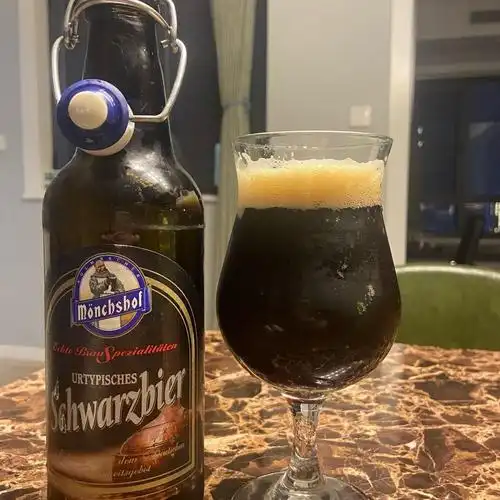
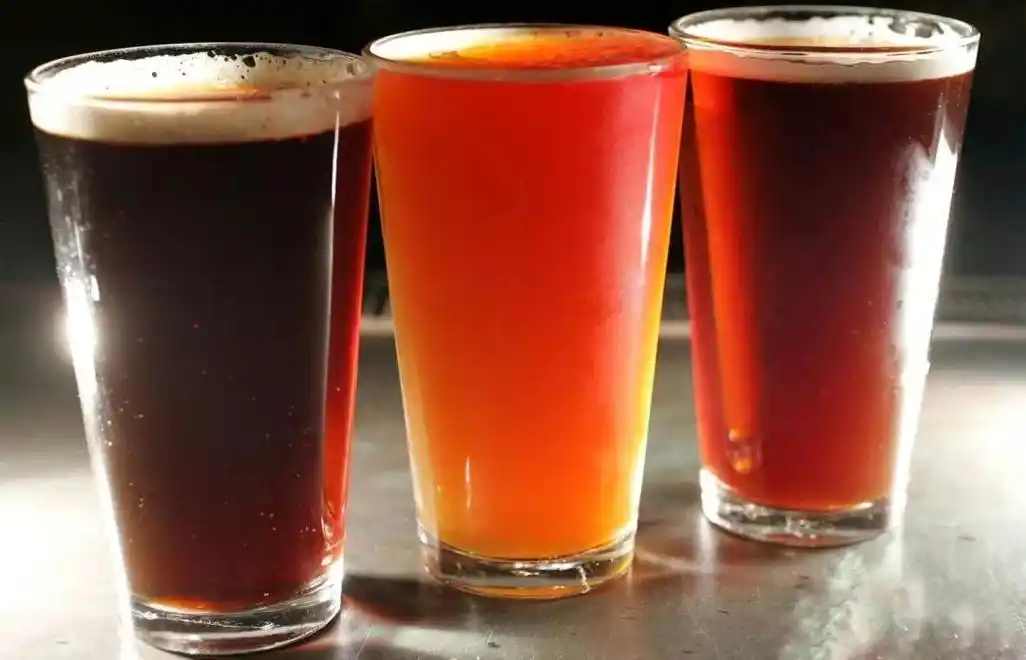
Bock beer originated in the 14th century in the small town of Enbeck in northern Germany. When it was introduced to the Bavarian region, due to the local accent, Einbeck was pronounced as ein Bock, and the beer was named Bock. In German, Bock means ram, and many Bock beer labels still have pictures of billy goats.
Bock beer is a large category of beer that highlights the flavor of malt and has a relatively high alcohol content (above 6.3%). Except for wheat bock, all bock beers are lager beers. Wheat bock (Weizenbock.10C) uses at least 50% wheat malt and is fermented with ale yeast.
Helles Bock (4C) has a light, transparent dark golden body. It is traditionally drunk in spring or May in Germany, so it is also called May Bock (Maibock). The malt flavor is mainly sweet grains, accompanied by a slight roasted aroma. The floral, herbal and spicy aromas brought by hops support the obvious malt flavor.
Dunkles Bock (6C) is usually light copper to brown, still relatively transparent. Compared with clear bock, the malt aroma of bread and toast is more prominent. Hops only contribute a slight bitterness to balance the sweetness of malt.
Doppelbock (9A) has light and dark versions, which are the flavors of clear bock and dark bock and the enhanced alcohol content. The original double bock was brewed by Franciscan monks in the 17th century, and only the dark version was available at that time. This kind of beer is used as liquid bread and as a daily nutritional supplement for monks." In addition, there is also ice-distilled bock (Eisbock, 9B), which uses the ice-distillation process to remove part of the water in the double bock to increase the alcohol content.
These two styles are new beers that have not yet been included in the "BJCP Classification Guide". The two names are often used interchangeably, but they are actually different. Hop Lager (India Pale LagerIPL) is made by replacing the ale yeast in the IPA formula with lager yeast and fermenting it at a low temperature suitable for lager yeast. The hop aroma (such as floral and citrus aroma) is more prominent than that of ordinary lager beer, but not as good as cold IPA. Although the name of Cold IPA (Cold IPA) includes IPA (India Pale Lager), except for a very small number of breweries that use ale yeast, it is generally fermented with lager yeast. Compared with the usual IPA, in addition to using lager yeast, Cold IPA Use less specialty malt, but may add some adjuncts like corn and rice. The fermentation temperature is higher than that of regular lager (including hop lager). Most cold IPAs on the market use New World hops, and the final effect is like an American IPA with enhanced hop flavors - with prominent aromas of citrus, pine needles, and tropical fruits, and higher bitterness.


