Mangosteen juice is a drink obtained by squeezing the fleshy part of fresh mangosteen fruits. Mangosteen, also known as mangosteen, mountain bamboo, mangosteen, mangosteen, etc., is a tropical fruit. Its fruit is purple-black when ripe, with a hard outer shell and white, soft and juicy pulp inside.
Mangosteen juice retains most of the nutritional value and unique flavor of mangosteen, usually has a sweet and delicious taste, and is rich in a variety of nutrients, such as dietary fiber, vitamin C, minerals and antioxidants. Because of these healthful properties, mangosteen juice is considered a health drink in some places.
Making mangosteen juice usually requires cutting the mangosteen, removing the shell and core, and only using the white pulp part for juice. The squeezed juice can be drank directly, or the sweetness can be adjusted by adding an appropriate amount of honey or other condiments according to personal taste.
Mangosteen is native to the Maluku region, the Malay Peninsula and the Malay Islands, and is widely cultivated in tropical areas of Asia and Africa.
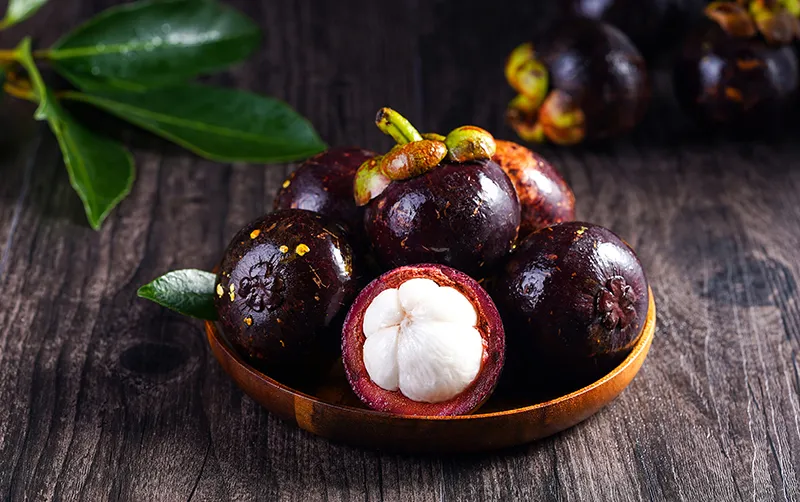
Hydroxycitric acid: Mangosteen is rich in hydroxycitric acid, a derivative of citric acid. Studies have shown that it can regulate fat metabolism and reduce the level of sugar metabolism in vitro. It is a good choice for people who want to lose weight because it can effectively reduce appetite.
Protein and fat: Mangosteen contains small amounts of protein and fat. Each 100 grams of mangosteen contains about 0.5-0.7 grams of protein and 0.2-0.6 grams of fat. These are the basic nutritional elements of the human body and participate in various activities of cell tissues.
Carbohydrates: Mangosteen is rich in carbohydrates. Every 100 grams of mangosteen contains about 17-26 grams of carbohydrates, which is the main source of energy for the human body.
Cellulose: Mangosteen is also rich in cellulose, with about 3 grams of cellulose per 100 grams of mangosteen. Fiber can promote intestinal peristalsis, help digestion and prevent constipation.
Vitamins: Mangosteen contains many vitamins, especially vitamin A and vitamin E. Every 100 grams of mangosteen contains more vitamin A, which has a good protective effect on the skin. It can improve the skin's water retention and maintain skin moisture. It also has antioxidant effects and can delay skin aging. At the same time, mangosteen also contains vitamin E, which is very helpful for sexual function. It can promote the secretion of sex hormones and increase sperm count and estrogen concentration, which is very helpful for fertility. In addition, mangosteen is a fruit rich in vitamin C, containing about 18 mg of vitamin C per 100 grams.
Minerals and other nutrients: Mangosteen also contains some minerals and other nutrients, such as carotene (can be converted into vitamin A), etc., which are important nutrients needed by the human body.
Prepare materials:
Some fresh mangosteen (quantity based on demand)
Appropriate amount of water
A juicer or food processor
A fine mesh filter (for filtering out the pomace)
Cutting boards and knives
Production steps:
Place the mangosteen on the cutting board, cut it with a knife, and peel off the outer shell.
Take out the white pulp inside and remove the core.
Cut the pulp into small pieces for easy juice extraction.
Put the cut mangosteen pulp into a juicer or food processor.
Add an appropriate amount of water (it is recommended that the ratio of pulp to water is 1:1 or adjusted according to personal taste).
Start the juicer and squeeze the pulp and water into juice.
Use a fine mesh strainer to filter out the pomace, leaving pure mangosteen juice.
Pour the squeezed mangosteen juice into a clean container and drink.
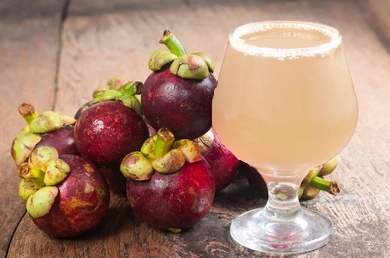
Clearing away heat and reducing fire: Because mangosteen juice is rich in dietary fiber and water, it can promote gastrointestinal motility and accelerate the discharge of waste in the body. Appropriate consumption can play a role in clearing away heat, detoxifying and removing fire. It can also relieve constipation symptoms.
Moisturizing and quenching thirst: Because mangosteen juice is rich in vitamin C and a variety of mineral elements, these substances have the effect of replenishing water and electrolytes for the human body. It can effectively relieve the dehydration of the body caused by long-term high-temperature work. It is recommended to drink it in moderation every day to maintain a healthy state of body.
Relieve fatigue: The sugar and amino acids in mangosteen juice can be quickly absorbed and utilized by the body, converted into energy for the brain and muscles, thereby achieving the purpose of relieving fatigue. After exercise or when you feel tired after a day of work, you can drink a glass of mangosteen juice to restore your energy. Suitable for athletes, overtime workers and other groups.
Enhance immunity: Mangosteen juice is rich in vitamins C and E, both of which have the effect of improving the body's immunity. Regular intake of mangosteen juice helps prevent the occurrence of colds and other diseases. Suitable as a daily health drink. .
Promote digestion: Mangosteen contains a certain amount of dietary fiber and citric acid, which can stimulate the secretion of gastric acid, promote gastrointestinal motility, and play a role in moisturizing the intestines and laxatives to a certain extent. It has a significant auxiliary effect on relieving indigestion, mild constipation, etc.
Beauty and skin care: The antioxidant ingredients in mangosteen juice can help remove free radicals in the body and reduce skin damage, thereby achieving the effect of beauty and skin care. Drinking mangosteen juice regularly can make the skin smoother and more elastic. Suitable for people who need to improve skin color or moisturizing needs.
It should be noted that although mangosteen juice has certain nutritional value, it should not be consumed in excess to avoid indigestion. In addition, people who are allergic to mangosteen should avoid eating it to avoid symptoms such as rashes and itching.
Acidosis: Mangosteen contains xanthones, which have anti-disease effects, but excessive intake of this substance will increase the possibility of acidosis. It will also damage our kidney function. Excessive intake will damage mitochondrial function, affect respiration, and cause lactic acidosis.
Rash: The rash after eating mangosteen is an allergic reaction of the body to some of its components. Symptoms such as erythema and itching may appear on the skin, and long-term development may lead to eczema or other chronic skin diseases.
Obesity: Mangosteen contains a lot of sugar. Excessive drinking of patients will cause excessive sugar intake in the human body, increase the burden on the intestines, and the unabsorbed sugar will be converted into glycogen and stored in the body, which will affect the consumption of body fat, causing fat accumulation in the body and causing obesity in patients.
Diarrhea: Mangosteen is rich in dietary fiber. Excessive drinking will cause dietary fiber to absorb a lot of water and swell, causing gastrointestinal disorders in patients and symptoms of diarrhea.
Indigestion: Mangosteen is rich in vitamins, which can enhance the body's resistance. If you eat too much mangosteen, it will cause excessive accumulation of food in the gastrointestinal tract, increase the burden on the gastrointestinal tract, and cause indigestion.
The flesh of mangosteen is rich in carbohydrates, vitamin A, vitamin C, vitamin E, biotin, folic acid, calcium, iron, phosphorus, potassium and other nutrients, and has high nutritional value. Among them, every 100 grams of mangosteen contains less than 25 mg of purine, which is a low content and belongs to low-purine food. Patients with high blood uric acid can eat mangosteen, but they should pay attention to the right amount to avoid causing digestive tract discomfort.
However, obese people and those with weak constitution should eat less, and mangosteen has a high sugar content. It is not suitable for diabetic patients, menstrual women, and patients with cold dysmenorrhea. It can be eaten in moderation by the weak, malnourished, and after illness. Excessive consumption of mangosteen may cause gastrointestinal dysfunction, indigestion, abdominal pain, diarrhea and other symptoms, causing physical discomfort.


