Non-alcoholic beer (also known as dealcoholized beer or non-alcoholic beer) refers to beer with an alcohol content of less than 0.5%vol and an original wort concentration of greater than or equal to 3.0°P. It is a low-alcohol soft drink beer with the color, aroma and foam characteristics of ordinary beer, but with extremely low alcohol content.
In the production process of non-alcoholic beer, the main difference from ordinary beer lies in the fermentation and subsequent processing stages. In order to control the alcohol content, the barley malt selected generally contains low starch-converting enzyme activity, and special techniques are used to remove or reduce the alcohol content after fermentation, such as limited fermentation or dealcoholization.
The main raw materials of non-alcoholic beer include barley, rice, etc., without preservatives, and the main nutrients are sugar and protein. Due to its extremely low alcohol content, non-alcoholic beer is suitable for those who do not want to consume alcohol or need to avoid alcohol, such as children, women, drivers and some people who have taboos about alcohol.
In addition, non-alcoholic beer has a lot of room for flavor expansion. Since it uses less ingredients during fermentation and lacks the important dimension of alcohol, drinking it directly may feel bland. But this also provides the possibility to increase the drinkability of non-alcoholic beer. Fruit beers with different styles can be made by enhancing the malt flavor or adding fruit juice, making it easier to open up the market for low-drinkers such as women.
It is important to note that although non-alcoholic beer has an extremely low alcohol content, it still contains some alcohol. Therefore, you still need to pay attention to the appropriate amount when drinking to avoid excessive drinking that may cause adverse effects on the body.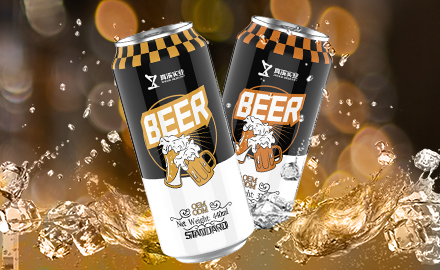
Alcohol content: The most significant feature of non-alcoholic beer is its extremely low alcohol content, usually less than 0.5%vol, while the alcohol content of ordinary beer is usually between 3% and 8%vol. This makes non-alcoholic beer much lower than regular beer in terms of alcohol content.
Taste and flavor: Due to the difference in alcohol content, non-alcoholic beer and regular beer also have different taste and flavor. Non-alcoholic beers usually have a refreshing taste and mild flavor, while regular beers have a richer and more complex malt aroma, bitterness and hop aroma.
Applicable people: Non-alcoholic beer is suitable for people who do not want to consume alcohol or need to avoid alcohol, such as children, pregnant women, drivers, people with alcohol allergies, etc. Regular beer is more suitable for those who like traditional beer flavor.
Brewing process: The brewing process of non-alcoholic beer is similar to that of ordinary beer, but after fermentation, special technology is used to reduce or remove the alcohol content while retaining the flavor and taste of the beer. Ordinary beer produces alcohol through the normal fermentation process.
Nutritional value: Although both contain certain vitamins, minerals and other nutrients, non-alcoholic beer may add some nutrients during the brewing process to make up for the nutritional losses caused by alcohol, making it slightly less nutritious in some aspects. Higher than regular beer.
Social occasions: In certain social occasions, such as family gatherings, friend gatherings, etc., non-alcoholic beer can be a safer drinking choice because it will not make people feel drunk and will not affect driving or work. Ordinary beer is more suitable to be enjoyed in bars, restaurants and other places.
Suitable for special groups: For special groups such as alcohol intolerance, pregnant women, and drivers, alcohol-free beer provides a safe drinking option. They can enjoy the flavor of beer while avoiding the potential risks of alcohol.
Rich nutrition: Alcohol-free beer is rich in B vitamins. These vitamins are very important for maintaining normal metabolism, nervous system function and skin health. In addition, non-alcoholic beer also contains minerals such as calcium and phosphorus, which are helpful for bone health.
Strengthen the spleen and appetizer: Alcohol-free beer contains protein, carbohydrates and other nutrients, which are easily digested and absorbed by the human body. Moderate drinking of non-alcoholic beer can promote gastrointestinal peristalsis, enhance appetite, and play a role in strengthening the spleen and appetizing.
Relieve fatigue: The maltose in non-alcoholic beer has a certain sedative effect, which can relax the body and mind and relieve stress. For people who often feel anxious or have insomnia, drinking alcohol-free beer in moderation can help improve sleep quality.
Prevent osteoporosis: The calcium in non-alcoholic beer can enhance bone strength, while magnesium can promote its absorption and utilization. Therefore, long-term moderate drinking of non-alcoholic beer is beneficial to prevent the occurrence of osteoporosis, especially for middle-aged and elderly people.
Improves cardiovascular health: The polyphenols in non-alcoholic beer have antioxidant effects and can reduce the level of low-density lipoprotein cholesterol. This helps prevent cardiovascular diseases such as atherosclerosis. It is recommended that people with cardiovascular risk factors drink moderately.
It should be noted that although non-alcoholic beer does not contain alcohol, it still contains a certain amount of carbohydrates and calories. Excessive intake may lead to weight gain or other health problems.
Non-alcoholic beer is beer with most of the alcohol removed, usually with an alcohol content of less than 0.5%. It is not completely alcohol-free, but the alcohol in the beer is reduced or diluted to make its content lower. Although the alcohol content in non-alcoholic beer is low, it is still not suitable for children to drink. Because children's bodies are not fully developed, the functions of the liver and kidneys are not perfect, the ability to metabolize alcohol is weak, and they are easily affected and damaged by alcohol.
In addition, non-alcoholic beer still contains a certain amount of sugar and calories, and excessive drinking may cause childhood obesity and other health problems. Therefore, it is not recommended to give non-alcoholic beer to children.
The process of making non-alcoholic beer or regular beer is also very similar, involving malting, milling, brewing, fermentation, maturation and packaging. But North American brewers must take measures to eliminate or reduce the alcohol content in beer so that it does not exceed 0.5% ABV.
To achieve this goal, non-alcoholic beer is usually brewed using one of the following four methods:
Controlled fermentation: Sometimes called "stalled fermentation", this most common method involves fermenting beer but stopping the fermentation process before the beer reaches its maximum alcohol content. Brewers do this by keeping the wort (a liquid solution of extracted grains and water) at or below 60 degrees Fahrenheit (15.5 degrees Celsius).
Dealcoholization: Dealcoholization is the process of removing alcohol from a liquid. Brewers usually do this by adding water or steam to the liquid and then boiling it until the alcohol vapor is released into a condenser, where the alcohol vapor is collected and removed.
Dilution: For this method, brewers add water to the finished beer before or after fermentation.
Simulated fermentation: Some brewers skip the fermentation process when brewing alcohol-free beer. Instead, they add ingredients and enzymes to produce the same effect as fermentation.
Alcohol-free beer is not actually completely alcohol-free, but the alcohol content is very low, which must be less than 0.5%.


