What Is The Best Drink With Black Tea?

By Tea Artist June 30th, 2025 421 views
Catalog
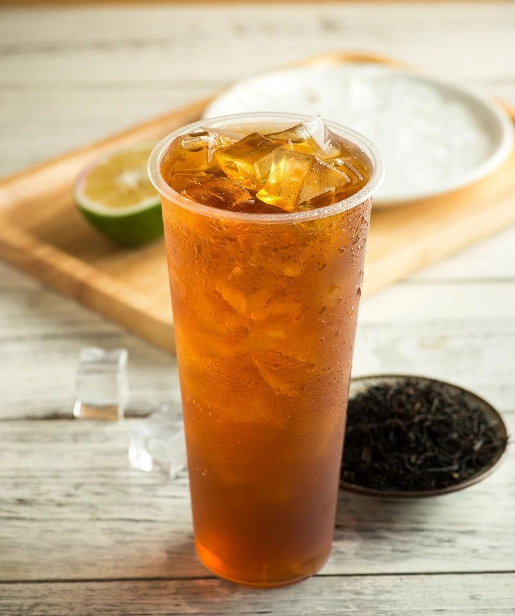
Black tea, an ancient drink originating from China, has long surpassed the scope of a simple drink and has become a cultural phenomenon that transcends national boundaries and is deeply rooted in people's hearts. From the solemn afternoon tea ceremony in the UK, to the convenient bottled iced black tea on the streets of China, to the standing drink in the refrigerators of North American families, the global daily consumption of black tea is as high as an astonishing 2 billion cups.
What Is The Best Drink With Black Tea?

Why do people love to drink black tea?

Black tea, an ancient drink originating from China, has long surpassed the scope of a simple drink and has become a cultural phenomenon that transcends national boundaries and is deeply rooted in people's hearts. From the solemn afternoon tea ceremony in the UK, to the convenient bottled iced black tea on the streets of China, to the standing drink in the refrigerators of North American families, the global daily consumption of black tea is as high as an astonishing 2 billion cups. Why can this seemingly ordinary drink win such lasting favor from the world?
Why do people love to drink black tea?


Black tea from an oriental medicinal drink to a western national drink

  • An unexpected gift from aristocratic marriage: In the 17th century, Princess Catherine of Portugal married King Charles II of England, and Chinese Zhengshan Xiaozhong black tea landed in Europe as a dowry. The black tea displayed at the royal banquet caused a frenzy in the upper class, ushering in the "luxury era" of black tea in Europe.
  • An inevitable choice for sea trade: Green tea is easily affected by moisture and deteriorates during months of sea transportation, while fully fermented black tea is durable in storage and has a stable flavor. It has become the first choice for the East India Company's transoceanic trade, laying the foundation for the industry.
  • Turning point of the Industrial Revolution: In the 19th century, British factory owners discovered that black tea could relieve workers’ fatigue and promoted the “tea break system”; the process of boiling tea also killed pathogens in the water source, reducing the incidence of cholera, making black tea a “survival necessity” for the working class.

Advantages of black tea in modern life

1. Conquering global water quality

  • Changing the hard water dilemma: The water hardness in many places in the UK and North America is high (calcium and magnesium ions>180mg/L), and green tea brewing is prone to produce a bitter metallic taste; the black tea thearubigins combined with minerals can stimulate the caramel aroma, and the brewing tolerance rate is increased by 50%.
  • Cold and hot dual extraction: The oxidation products of black tea polyphenols (theaflavins, thearubigins) can stably release flavors in the range of 0-100℃, and are suitable for a variety of processes such as cold extraction, hot brewing, and steam extraction to meet the needs of modern fast-moving consumer scenarios.

2. Buffering against social pressure

  • Low caffeine slow release: The theophylline content of black tea (40mg/cup) is only 1/3 of that of coffee, and it forms a slow-release combination with theanine to avoid emotional collapse after a sudden increase in stress.
  • Stress hormone regulation: A study by the University of London confirmed that drinking 4 cups of black tea a day can reduce cortisol levels by 47%, significantly relieve anxiety, and become a "low-cost psychological therapy" for people in the workplace.


3. Open and innovative flavors on the tip of the tongue

  • Molecular flavor grafting: More than 600 volatile compounds in black tea (such as linalool and phenylacetaldehyde) can be bonded with milk fat, spices, and fruit ingredients to derive localized drinks such as Indian masala tea (spice tea) and Hong Kong-style silk stocking milk tea.
  • Intelligent shielding of bitterness: The full fermentation process converts catechins into theaflavins, reducing the astringency of tannins by 60%, and the sugar-adding threshold is much lower than that of green tea, which is more in line with the global mainstream sweet taste preferences.


4. A spiritual oasis in a fast-paced life

  • “Small happiness” maker: Whether it is the British “Tea Break”, the Australian “Cuppa Time”, or the Chinese holding a cup of hot tea for a moment of tranquility, the process of brewing and sipping black tea is itself a miniature ritual. This simple and easy “pause button” effectively relieves stress and anxiety, and provides a low-cost emotional regulator for high-pressure life.
  • Golden medium for socializing: Black tea (especially in hot form) has a natural social affinity. Whether it is the exquisite socializing of British afternoon tea, the traditional etiquette of Chinese tea-drinking, or the relaxed atmosphere of sharing a pot of tea in the office, it can naturally create a comfortable and informal communication space, effectively lubricate interpersonal relationships, and relieve social pressure.
  • Emotional bond: Black tea carries a deep cultural memory (such as the elegant tradition of Britain and the revival of Chinese black tea). Drinking black tea often evokes people’s identification with family warmth and cultural roots, and has become a carrier for modern people to seek spiritual comfort and identity.

Black tea beverages are seamlessly integrated into diverse life scenarios

User groups

Core needs

Black tea beverage solutions

Corresponding product form examples

High-pressure office workers

Continuous fatigue, lack of energy, anxiety

Gentle refreshing (caffeine + theanine), stress relief ritual

Portable tea bags, ready-to-drink black tea, and office shared teapots

Health-conscious people

Antioxidant needs, sub-health conditioning

Rich in tea polyphenols (natural antioxidants), potential metabolic support

Sugar-free/low-sugar pure black tea, functionally added black tea

Socially active people

Social icebreakers, building connections

Creating a relaxed atmosphere, traditional hospitality media

Boutique black tea gift boxes, teahouse experiences, and afternoon tea sets

Young consumers

Pursuing convenience, diverse flavors, and freshness

Ready-to-drink, flavor innovation (fruity, bubbles, etc.), high-value packaging

Bottled flavored iced black tea, cold brew tea, and creative tea drinks

International mobile people

Cultural belonging, homesickness

Carrying cultural memories (British/Chinese/Indian, etc.), providing a sense of familiarity

Special production area black tea (Qimen, Assam, etc.)

Sensitive stomachs

Coffee is highly irritating, seeking mild alternatives

Relatively mild caffeine release (especially with milk)

Milk tea, lightly fermented black tea


What drinks have black tea?

The flavor of black tea is like a "molecular Velcro" - its 600+ volatile compounds can bond with milk, fruit, and spices to create endless possibilities. But the wrong combination may trigger a bitter storm (tannin meets acid) or nutritional antagonism (tea polyphenols lock iron).

Basic combinations of black tea flavors

Three laws of flavor bonding

Pairing type

Scientific mechanism

Flavor enhancement case

Dairy fats

Theaflavin encapsulates casein micelles to neutralize the astringency of tannins

Assam milk tea has a 50% smoothness improvement

Acidic fruits

Citric acid promotes the dissolution of theaflavins, but tannins aggregate and become bitter when pH < 5.5

Ice black tea lemon juice is limited to 3.5ml/100ml

Spice

Linalool (black tea) and eugenol (cinnamon) co-boil to release sweetness

Indian masala tea sweetness perception increases by 30%


Nutritional synergy/antagonism map

  • Synergistic combination: black tea polyphenols + citrus vitamin C → Antioxidant efficiency increased by 40% (Journal of Food Science)
  • Inhibitory combination: tannic acid + plant iron → Iron absorption rate is reduced by 67% (do not drink 1 hour after a meal)

The perfect combination of black tea drinks from the breakfast table to late-night bar

Morning combination

Classic English breakfast tea + whole milk (milk temperature 60℃)
  • Golden ratio: tea: milk = 3:1 (astringency balance point)
  • Scientific basis: The binding rate of κ-casein and thearubigin is the highest at 60℃

Japanese brown rice tea + fried rice crispy grains
  • Anti-hunger formula: Theanine delays carbon water absorption + rice aroma covers the bitterness of green tea

High-efficiency combination in the workplace

Fatigue type

Matching plan

Active ingredient effect

Brain exhaustion

Ceylon black tea + dark chocolate (70% cocoa)

Theophylline + theobromine double sustained release

Anxiety and high pressure

Earl Grey tea + lavender honey

Linalool regulates GABA receptors


Social ritual combination

  • Chinese Gongfu tea ceremony: Zhengshan Xiaozhong + dried longan (longan meat)
  • Ancient wisdom: Longan polysaccharide wraps tea tannins, and the throat aftertaste is extended by 8 seconds
  • English afternoon tea: Darjeeling spring pick + scones (spread butter first)
  • Anti-astringent coating: butter fat layer blocks tannins from binding to tongue receptors

Creative drink experiment

  • Molecular cocktail: cold brew Dianhong + gin + elderflower syrup
  • Low-temperature extraction: 4℃ cold water soaking for 12 hours to retain floral phenols
  • Alcohol threshold: >15%vol theaflavins precipitate turbidity (need to control the amount)
Is It OK To Drink Black Tea Everyday?
Previous
Is It OK To Drink Black Tea Everyday?
Read More
How To Drink Oolong Tea for Weight Loss?
Next
How To Drink Oolong Tea for Weight Loss?
Read More

REQUEST MORE DETAILS

Please fill out the form below and click the button to request more information about
Name
Email*
Service Request (Optional):*
ZhenXi Brand
Your Brand (OEM/ODM)
Message*
Leave a message
Name
Email*
Service Request (Optional):*
ZhenXi Brand
Your Brand (OEM/ODM)
Message*
Message Us
6798AA0B7FEF083C4177C1E07F70F3D0