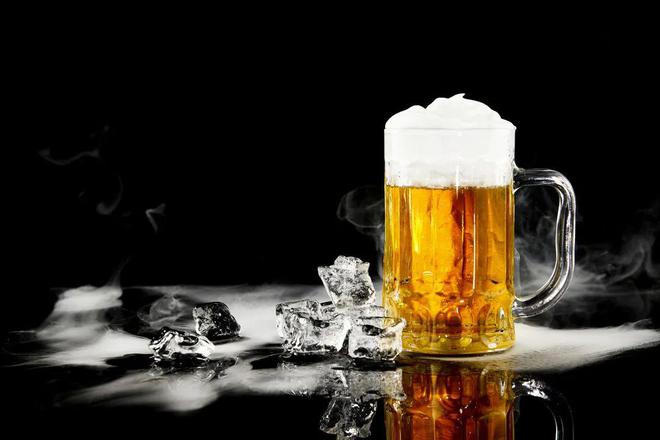
Friends around me often ask about the differences between raw beer, pure draft beer, ordinary beer and craft beer. I also often see friends around me often distinguish the quality of beer from the price when choosing beer. So, let's learn about the differences between raw, pure draft, ordinary beer and craft beer.
Raw beer is usually industrial lager beer that is not diluted, pasteurized or filtered. Rice, starch or syrup is generally added to reduce the cost of raw materials. The shelf life is generally about 7-15 days, and it needs to be refrigerated for transportation. The original wort degree of most raw beer is about 13°P, and the alcohol content is about 4.5%vol-5.5%vol. Compared with other beers, the original beer is not filtered during the brewing process, and does not go through the high-temperature pasteurization process. The freshness and rich nutrition of the hazy original beer are also completely preserved; low-temperature filling and storage (0~5℃) instantly lock the freshness of the first time, and the taste is delicious and authentic. In addition, the pure draft and ordinary non-pure draft beers that are often seen in China are generally produced through the original pulp + high-concentration dilution process. Therefore, friends can understand that the original pulp is industrial beer that has not been diluted, filtered, or sterilized. It belongs to the high-quality category in industrial beer. It completely retains the amino acids, proteins, and a large amount of potassium, magnesium, calcium, zinc and other trace elements produced during the fermentation process. The most important thing is that it retains a large amount of active yeast, which can effectively improve the digestion and absorption function of the human body.
Pure draft beer is generally industrial beer with an alcohol content of about 2.5%vol-4%vol (usually diluted to 8°P/2.5%vol) after the original mash is diluted to a high concentration, and the original wort is diluted to about 8°P-10°P. The brewing of beer, from the initial natural fermentation to the relatively pure fermentation, and up to the current pure draft beer production, is a process of gradually getting rid of the pollution of wild yeast and bacteria and relying only on pure cultured beer yeast for fermentation. The production of pure draft beer is based on the strict control of contaminating microorganisms throughout the entire brewing, filtration and packaging process, and its characteristics are reflected in the two words "pure" and "raw". No sterilization is used, and the yeast and bacteria in the wine are filtered out by filtering to keep the original flavor of the beer as much as possible. The shelf life is generally 180 days and is stored at room temperature. The difference between it and ordinary beer is that it has good flavor stability (the flavor does not change much with the extension of storage period), good taste, and rich nutrition.
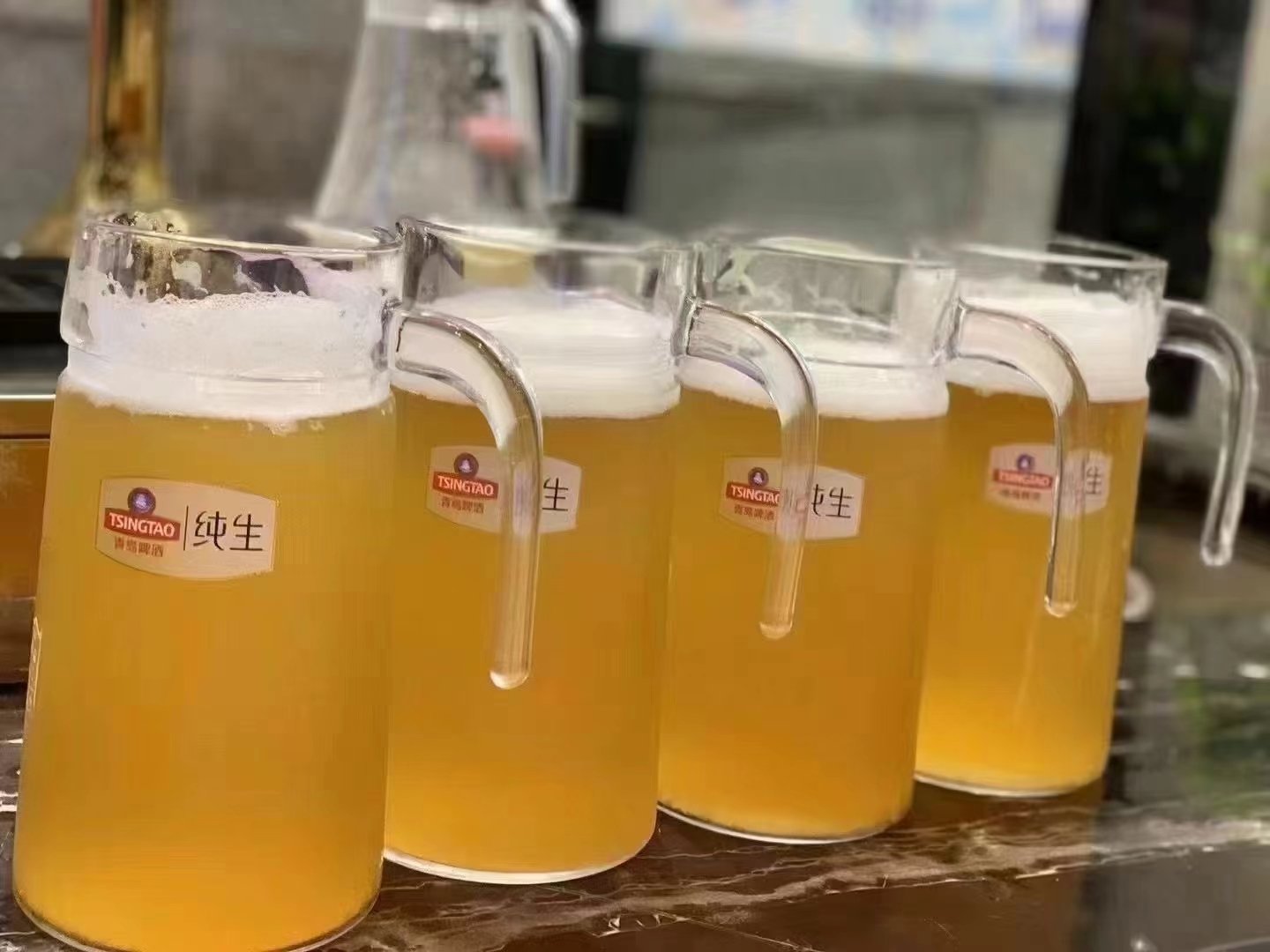
Ordinary beer (the name my friends usually call it) is usually made from the same raw pulp as pure draft beer after high concentration dilution. The original wort is also diluted to about 8°P-10°P, and the alcohol content is about 2.5%vo1-4%vol (usually diluted to 8°P/2.5%vo1). In a non-pure draft way, after filtering, all yeasts and bacteria are killed by pasteurization technology, and of course most of the original flavor of beer is also killed, thus producing a cheap beer beverage with stable properties. It can be stored at room temperature and the shelf life is generally 180 days-360 days.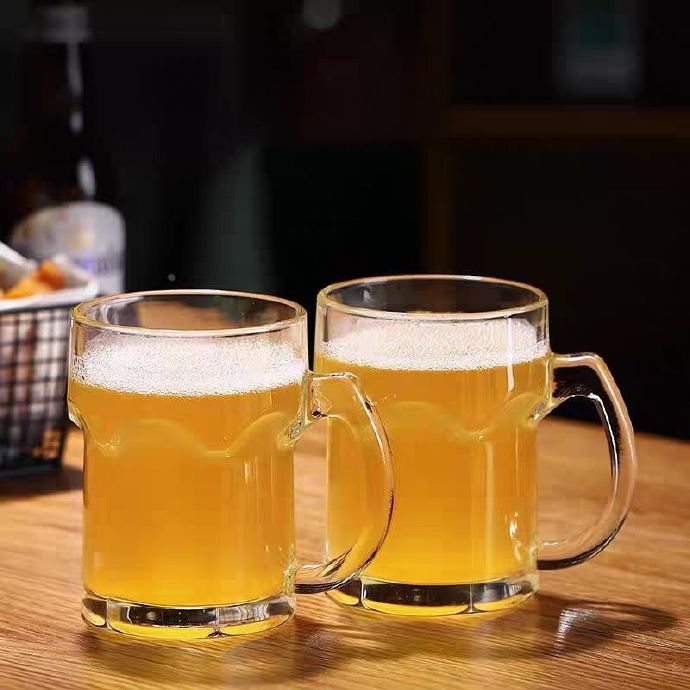
Craft beer is usually brewed by brewers at all costs with the best raw materials in pursuit of the ultimate taste. The wort content ranges from 12°P-140°P, and the alcohol content ranges from 4.5%-67.5%. The taste ranges from sour, sweet, bitter, numb, spicy... The aroma ranges from coffee, milk, floral, fruity... It is varied and charming. Different from the process of industrial beer, craft beer often uses a unique in-bottle secondary fermentation technology. Without dilution or sterilization, the beer continues to ferment in the bottle, perfectly retaining the fresh flavor of craft beer. Some craft beers can even be stored for more than 10 years without losing their flavor (because the beer fermented in the bottle is always alive).
| Comparison dimensions | Original beer | Pure draft beer | Ordinary beer | Craft beer |
| Fermentation process | Unfiltered and pasteurized | Membrane filtered but not pasteurized | Filtered and pasteurized | Traditional process, usually not filtered and pasteurized |
| Raw materials | 100% malt, no auxiliary materials added | Malt-based, may add a small amount of auxiliary materials | Rice/corn and other auxiliary materials may be added | Pure malt, often add special raw materials |
| Alcohol content | 4.5-6%vol | 3.5-5%vol | 3-4.5%vol | 5-12%vol (large span) |
| Shelf life | 7-15 days (refrigerated) | 30-90 days | 6-12 months | 3-6 months (some can be aged) |
| Yeast state | Contains active yeast (turbid) | Remove yeast (clarified) | Inactive yeast | May retain yeast (various types) |
| Bitterness (IBU) | 15-25 | 10-20 | 8-15 | 20-100+ (large style differences) |
| Wort concentration °P | 12-18 | 8-12 | 8-10 | 12-30 |
| Typical characteristics | Rich malt aroma, thick taste | Refreshing and fresh, long shelf life | Thin taste, industrial production | Complex flavor, outstanding personality |
| Suitable drinking temperature | 8-12℃ | 6-10℃ | 3-8℃ | Depending on the style 4-16℃ |
Here are two knowledges
1. High-concentration dilution of beer
It is a process in which wort with a higher concentration than normal wort is used for fermentation in beer production, and then diluted with water to normal concentration beer in the later stage of the production process. For example, high-concentration beer with a wort degree of 13°P is diluted with water to beer with a wort degree of 8°P, thereby reducing the production cost of each batch of the brewery.
2. Pasteurization Use a certain temperature (generally 60-82℃) and a specified time to heat the food to kill microorganisms. It is a method that can achieve the purpose of disinfection without damaging the quality of food. The degree of pasteurization heat treatment is relatively low, and it is generally heated at a temperature below the boiling point of water, and the heating medium is hot water. Beer pasteurization is generally around 60℃, lasting from 30 minutes to 1 hour, and while killing bacteria, it also has an irreversible impact on the flavor of beer.
Finally, we have another sincere word to tell everyone: It’s not that beer is not good, but that you haven’t found the one that belongs to you...but don’t look for it in industrial beer.