Why Do Brewing and Drinking Methods Affect the Flavor of Coffee?
By Barista
October 8th, 2025
622 views
The way roasted coffee is ground, extracted, and consumed has a huge impact on the final flavor we experience in a cup of coffee, even though the entire process only takes a few minutes.
The way roasted coffee is ground, extracted, and consumed has a huge impact on the final flavor we experience in a cup of coffee, even though the entire process only takes a few minutes. We've already touched on these points briefly, but I'll summarize some key points here. Let's recall what brewing coffee actually does: We grind roasted coffee into a powder, mix it with water, and transfer the flavor compounds (solids) from the coffee into the water. This is called extraction. Extraction occurs in three stages. First, the coffee grounds absorb the water, which is important because the more evenly the grounds are wetted, the more evenly the coffee is extracted. Typically, brewers wet the grounds bed to facilitate water absorption. Some brewing methods, such as water infusion, create bubbles in the grounds bed as gases are expelled, a process known as simmering. Some espresso machines have a pre-infusion function, which is equivalent to simmering. Next, soluble flavor compounds are transferred from the beans into the water. (Water acts as a solvent; soluble compounds dissolve in the water, while insoluble compounds remain suspended.) The water and coffee grounds then separate. Finally, you have a cup of coffee: a liquid containing soluble compounds, oils (insoluble compounds), and fine coffee particles (also insoluble). These three components together contribute to the coffee's flavor.
Different volatile aroma compounds are released at different stages of coffee drinking, and these compounds play a huge role in the flavor profile. Compounds are extracted from the coffee beans and react chemically in different ways and at different rates with the help of water and heat. Some compounds are more soluble and are extracted first. Other compounds are less soluble and are extracted more slowly. The sensory properties of coffee are ultimately influenced by:
-
The type of compound that is extracted,
-
The chemical reactions that convert the compound into a different compound,
-
The amount of each compound in the coffee.
Keep in mind that science doesn't definitively explain how this happens, and many commonly held observations haven't been scientifically confirmed. Nevertheless, extraction rate does affect the sensory qualities of coffee.Percent extraction (PE, also known as yield) is a scientific measure of extraction. It's the ratio of the amount of coffee matter (mass) in the final brew to the grounds (ground mass) before brewing. Research suggests that, in general, coffees with extraction rates between 18% and 22% taste better. From a sensory perspective, coffees with extraction rates below 18% ("low extraction" or "under-extracted") taste sweet and sour, while coffees with extraction rates above 22% ("high extraction" or "over-extracted") taste bitter.However, these objective numbers don't always accurately reflect or predict the various sensory characteristics of a cup of coffee. Furthermore, two cups of coffee with the same extraction rate can taste very different. Remember, sensory attributes can only be measured through sensory evaluation, which relies on human perception. Of course, the goal of evaluation is to find a good balance of sensory properties. Coffee professionals often describe coffees with this quality as "well-extracted" or "evenly extracted."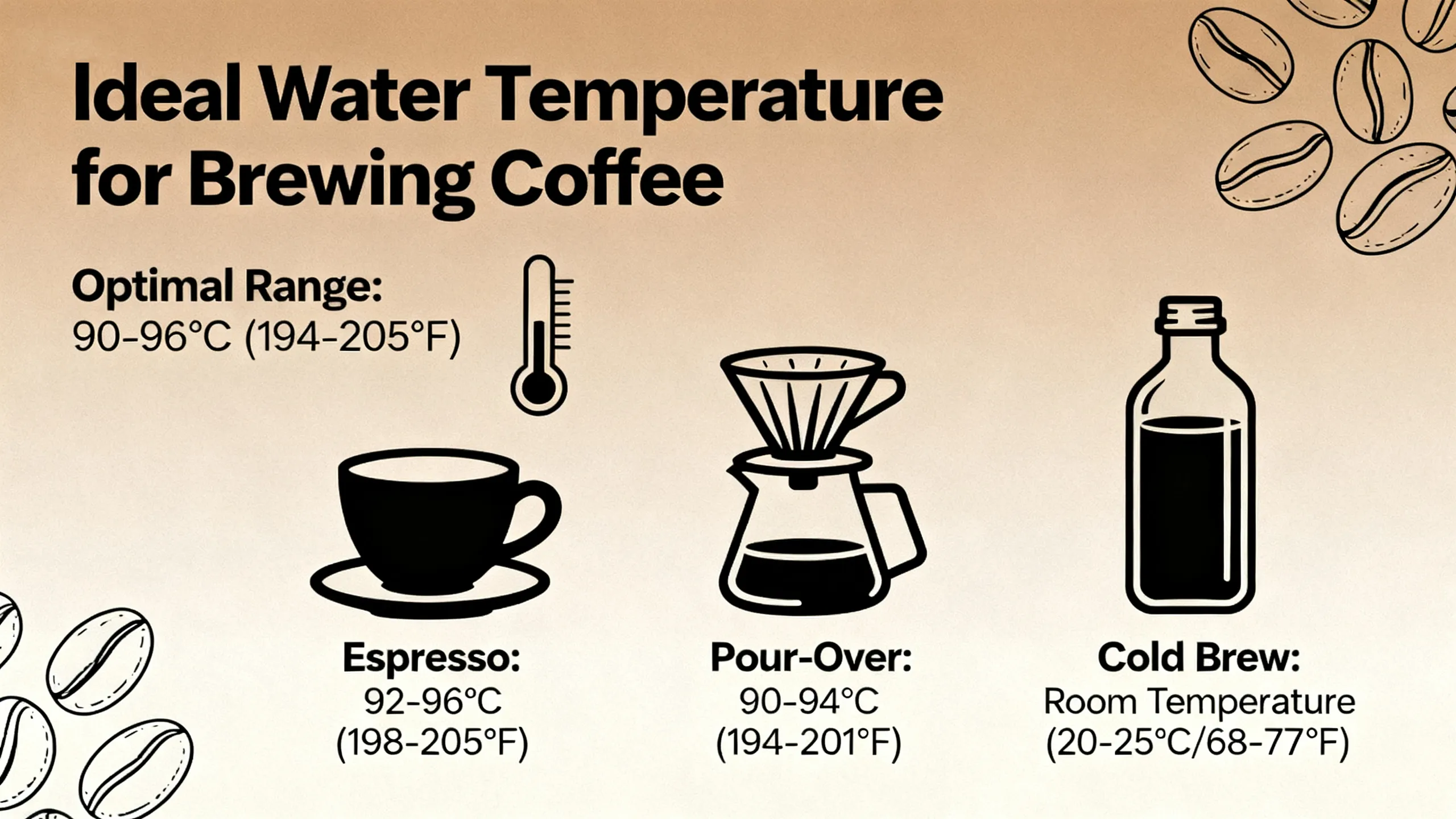
Temperature
Hot water affects extraction in two ways: it accelerates chemical reactions and increases the solubility of certain substances. It's generally accepted that the ideal water temperature for brewing coffee is between 91°C and 96°C. However, cold brew coffee is becoming increasingly popular. Cold brewing takes longer (hours rather than minutes) to complete extraction and extracts chemical compounds differently. The same coffee brewed with hot water and cold brewed coffee produces different chemical combinations, resulting in different sensory characteristics. It's generally believed that water temperatures that are too high can extract overly bitter compounds, reducing the enjoyment of these sensory qualities. Water temperatures that are too low can lead to under-extraction (if the coffee isn't in contact with the water long enough).
Grind Size
Water extracts soluble substances more easily when the surface area of the coffee bean increases. You can't extract as many compounds from a whole bean; you need to grind the beans to increase the surface area. In other words, the finer the grind (particle size), the better the extraction. Generally speaking, brewing with a very fine grind requires a shorter brew time, and vice versa. Coffee professionals emphasize the importance of a uniform grind. Even with the best grinders, uneven grinds can occur. Each grind size has its own brewing time. It's generally believed that minimizing this unevenness can help enhance the sensory qualities of a cup of coffee. A coarse grind size can result in under-extraction, while a too fine grind size can result in over-extraction.
Time
This refers to the contact time between coffee and water. As we just discussed, brewing time is closely linked to temperature and grind size. In my experience, it's generally accepted that some compounds are extracted early, while others are extracted later. In practice, acidic and sweet compounds are extracted first, while bitter and astringent compounds are extracted later. Some quick brewing methods result in low extraction yields, resulting in acidic and sweet coffee, while long brewing methods result in high extraction yields, resulting in bitter and astringent coffee. Both methods produce coffees with an imbalance of compounds associated with fundamental flavors. According to the SCA, research has shown "only very basic evidence for a reliable relationship between specific types of compounds in the extract and brewing time." In other words, what's actually happening chemically may be more complex than simply a matter of time.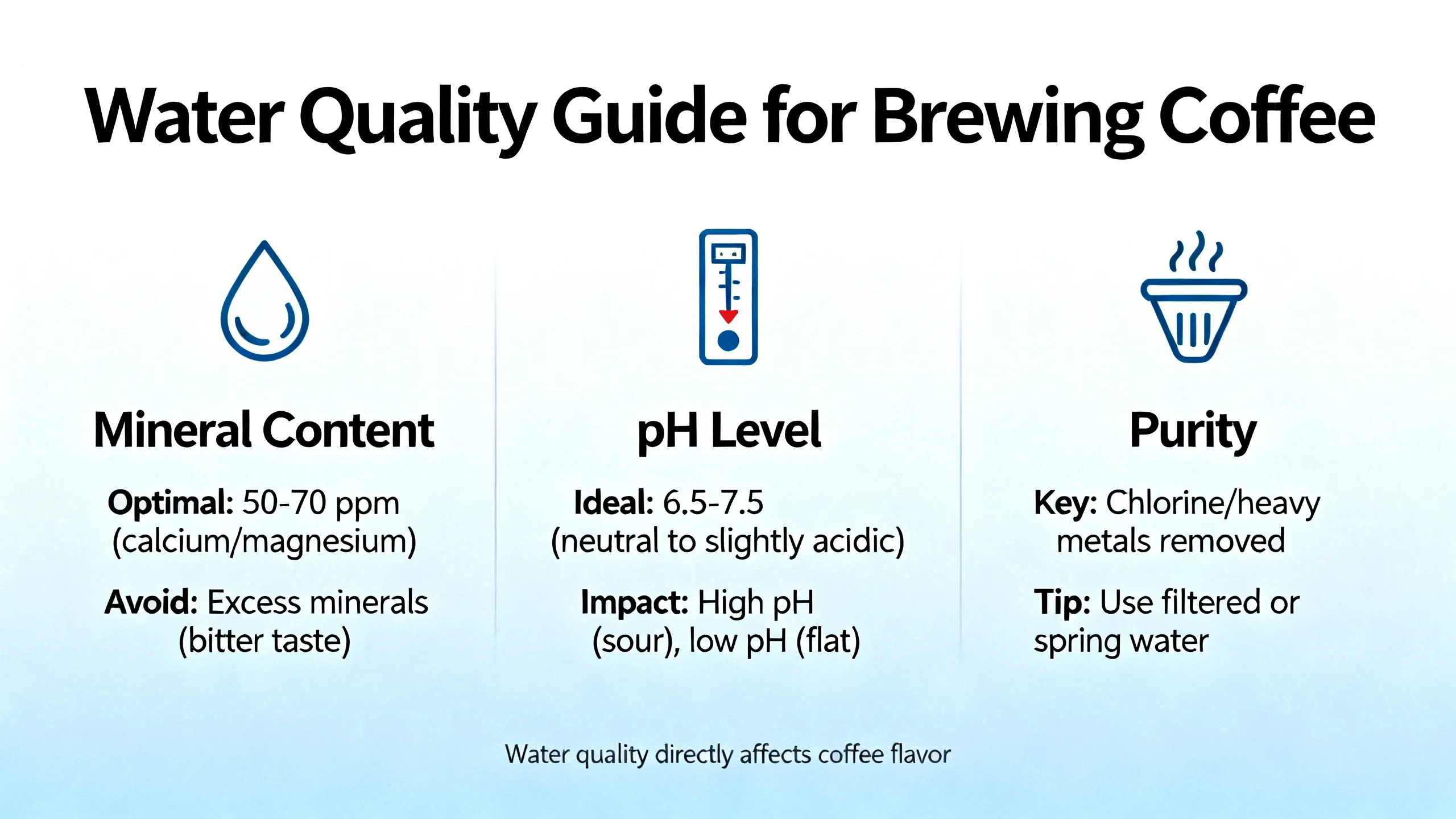
Water Quality
It's long been known that off-flavor water produces off-flavor coffee. However, the chemical composition of the water also plays a role. Compounds in the water, particularly those containing calcium, magnesium, and potassium, can affect extraction, and these compounds are essential for good extraction. You should know that demineralized water (distilled water) doesn't extract well, resulting in a poor-tasting coffee. Similarly, hard water, which is high in minerals, can also lead to suboptimal brewing. Christopher Hendon is one of the leading researchers studying the effects of water quality on coffee. He and barista Maxwell Colonna-Dashwood co-authored the book "Water for Coffee," which explores the impact of water quality on coffee flavor.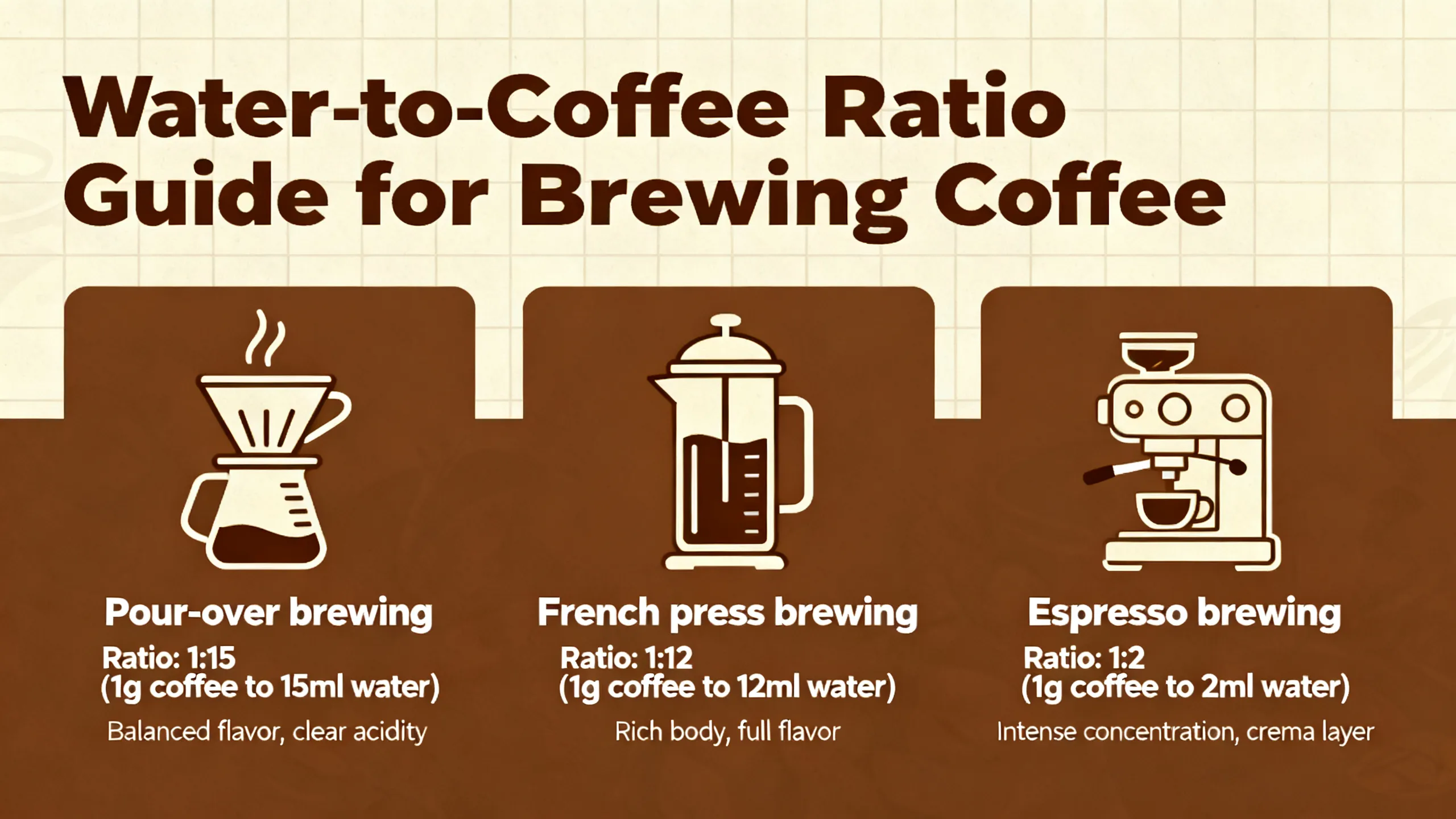
Water-to-Coffee Ratio
The water-to-coffee ratio is the ratio of water to ground coffee. As we know, this ratio significantly affects the final strength of a coffee. Strong coffee has a high concentration of coffee compounds, while weak coffee has a low concentration. Strong coffee tends to have a full body, while weak coffee tends to have a thinner body.
Extraction Pressure
Pressure is the force that pushes water through the coffee grounds. The more pressure you apply to the water, the more extraction occurs in a shorter period of time. Pressure also changes the physical properties of the coffee. For example, in the case of espresso, pressure emulsifies the coffee oils into the liquid, creating the distinctive crema on top of espresso.As we mentioned earlier, brewing method also has a significant impact on flavor, as it relates to mouthfeel. Common brewing methods can be categorized into three categories: decoction, immersion, and pressure.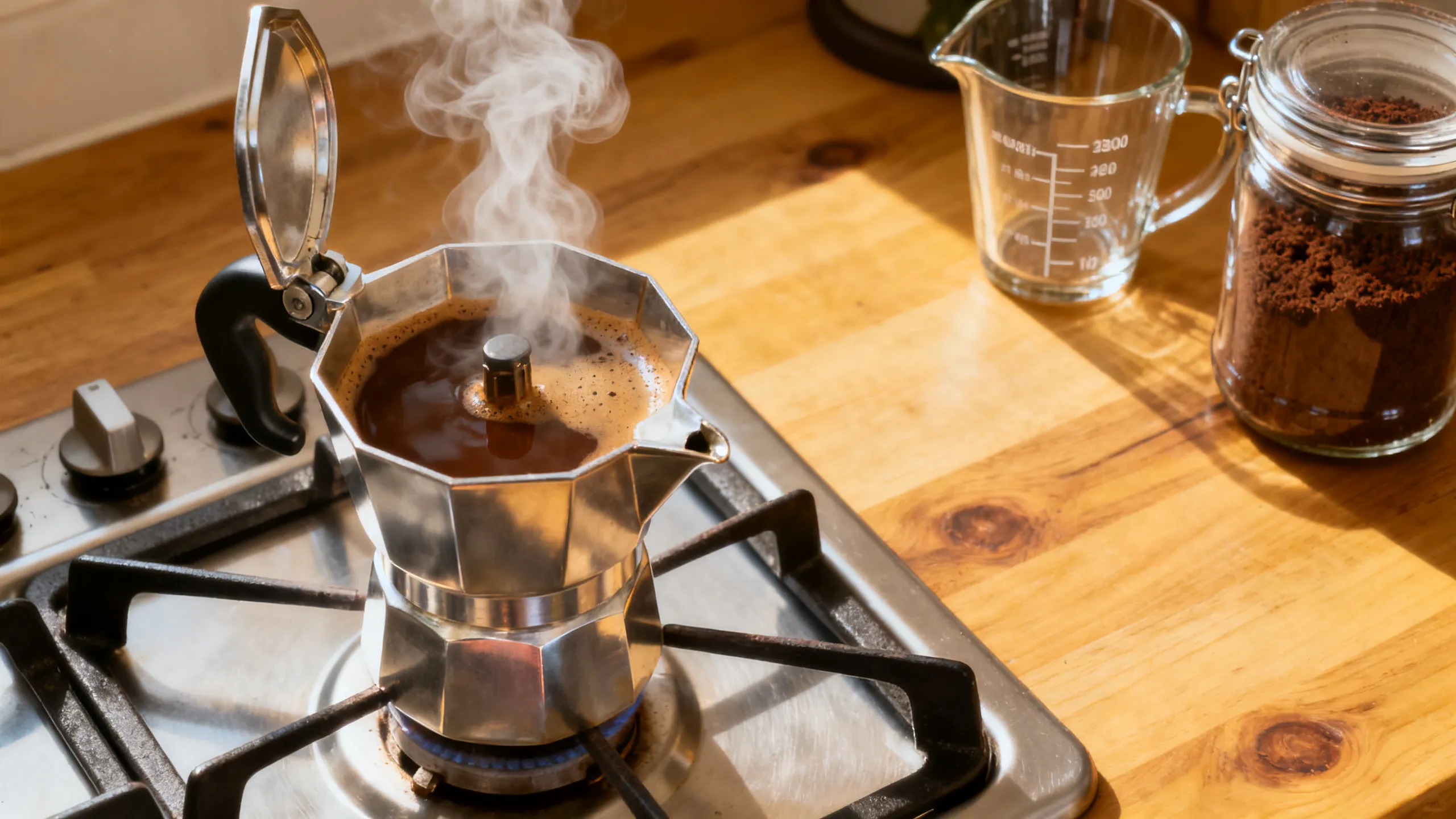
Decoction methods
This method requires a certain period of contact between the coffee grounds and water, typically at high temperatures. While this method extracts faster than other methods, it also requires direct contact of the grounds with boiling water or prolonged brewing time. This can result in undesirable flavor extraction and loss of aromatic compounds, known as flavor loss. Furthermore, longer brewing times increase the concentration of these methods. Decoction methods include boiling, Turkish pots, percolators, and siphons.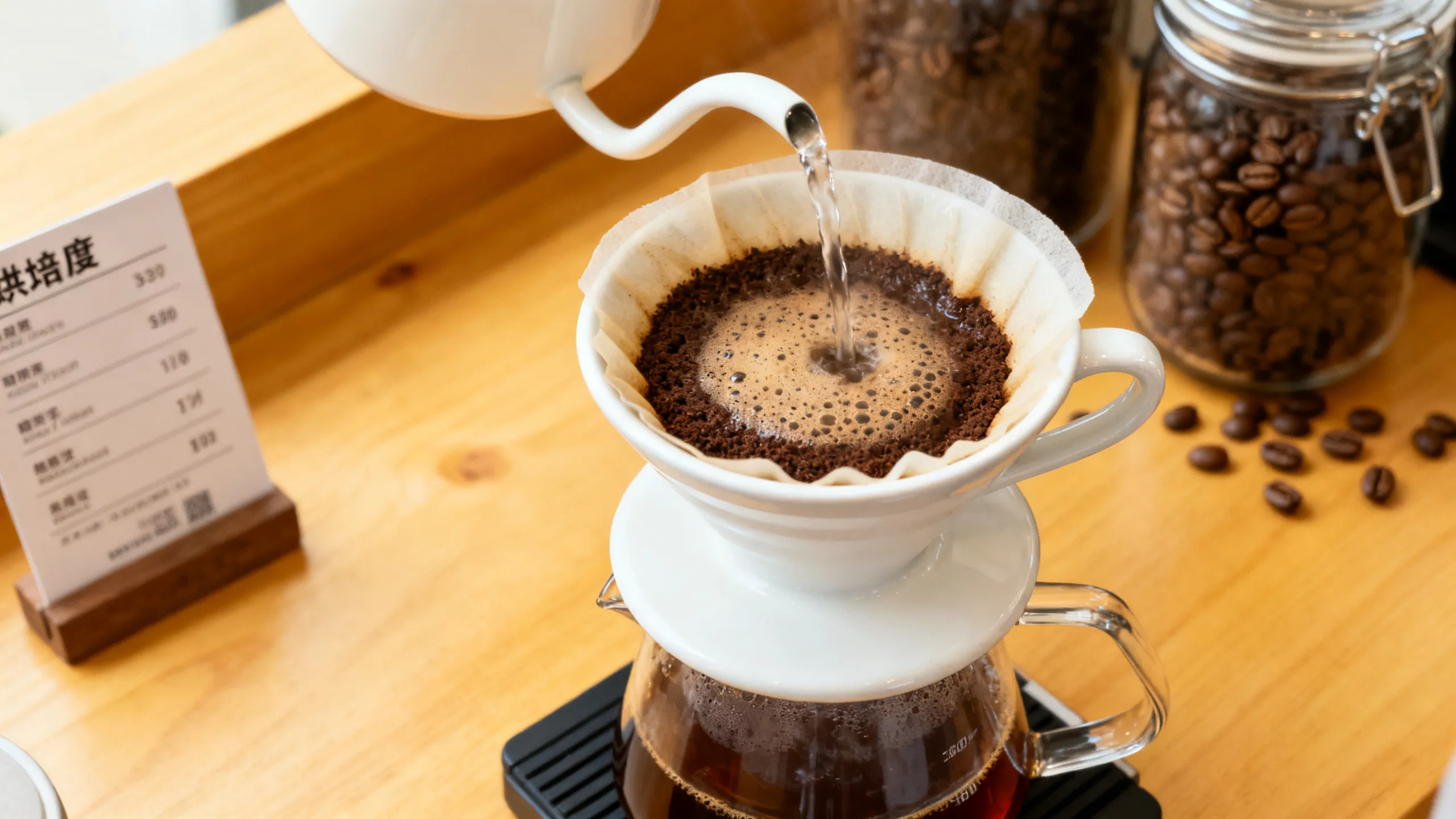
Immersion methods
This method involves passing hot or cold water through a loose bed of coffee grounds, minimizing contact time, and then pouring the water in stages before filtering. Fun fact: "Immersion" comes from the Latin verb "infundo," meaning "to pour." Therefore, these methods are more commonly referred to as "pour-over." Generally speaking, compared to decoction methods, these methods produce coffee that is milder, with more pronounced acidity and flavor. Immersion methods include drip and filter coffee (manual methods like pour-over coffee and automatic drip coffee machines).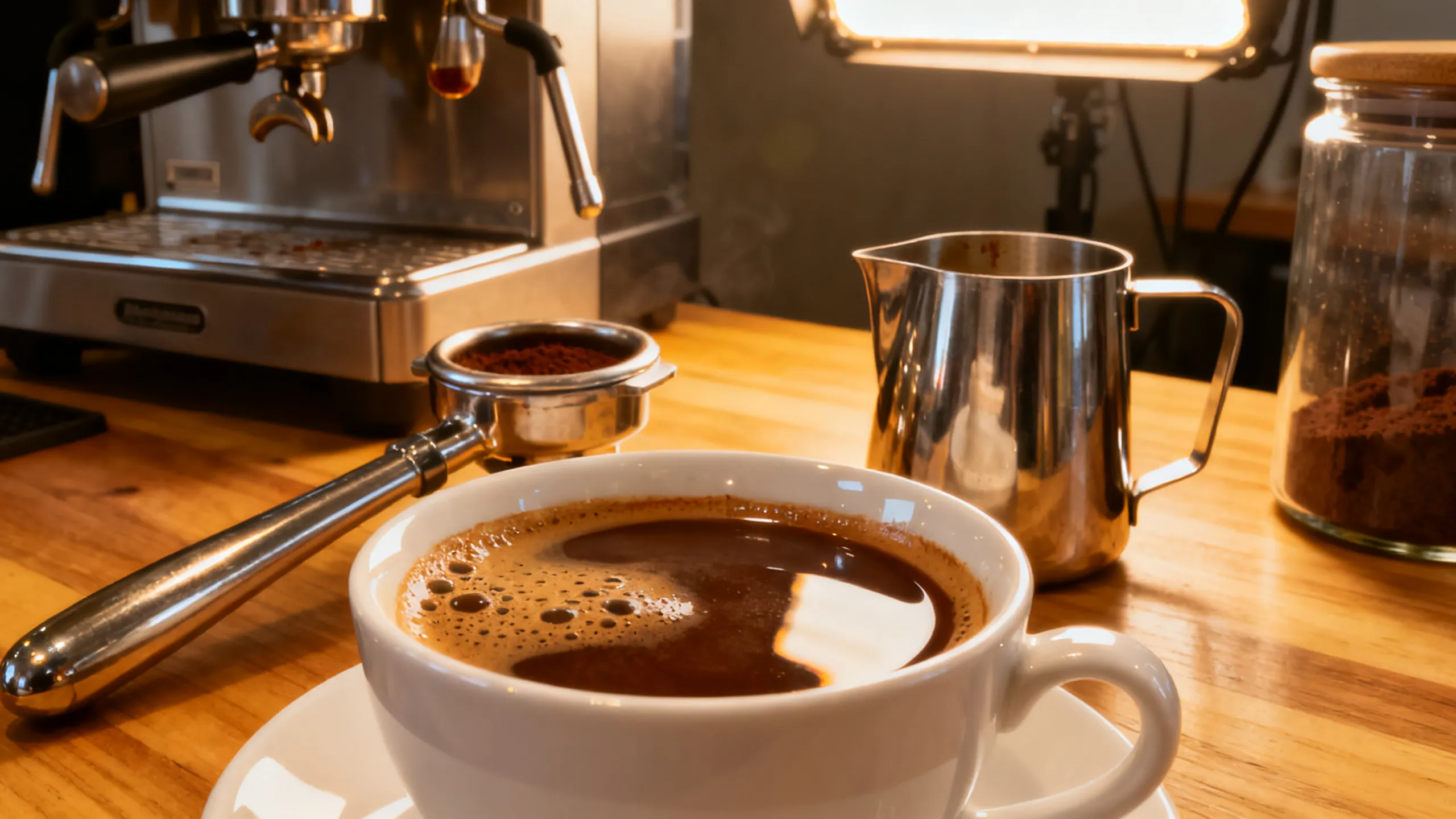
Pressure Method
This method uses pressure and heat to force water through a compacted layer of coffee grounds (often called a coffee puck). The most familiar coffee produced using the pressure method is espresso, but it also includes filter methods like the French Press and Aeropress and moka pots. Compared to other methods, coffee produced using the pressure method often has a richer texture. As we've discussed, the extreme pressure gives espresso its distinctive thick, pulpy mouthfeel and crema. It also produces coffee with a strong aroma and intense (full-bodied) flavor. In fact, because pressure amplifies sensory properties, undesirable flavors in the coffee beans are no longer hidden and are amplified in espresso, which is one reason why a perfect espresso is so difficult to find. This high-pressure method of extracting compounds seems completely different from other methods, as the sensory characteristics of the same coffee produced using an espresso machine and a drip coffee machine can differ significantly. Furthermore, espresso, as its name implies, is meant to be enjoyed immediately (the word "espresso" means "immediately" or "improvised" in Italian). This immediate consumption is warranted for a reason: when espresso is left to sit for a while without being consumed immediately, its chemical compounds quickly begin to change, most notably with a reduction in oils and an increase in acidity.Within these categories, different brewing methods produce different sensory properties, and the same coffee brewed with different equipment can also produce different sensory characteristics. But other factors also come into play. As mentioned earlier, the type of filter used (if any) significantly impacts the brewing result, as paper filters trap most insoluble compounds, such as fines and oils, during the brewing process, while metal filters (or no filter at all) allow these insoluble compounds to enter the final liquid. This significantly affects the tactile feel. These insoluble compounds can also affect other sensory perceptions.
Previous
Why Does Roasting Affect the Flavor of Coffee?
Read More
Next
Do Sugar-Free Energy Drinks Cause Weight Gain or Support Weight Loss?
Read More


