Why Do the Origin and Processing Methods Affect the Flavor of Coffee?
By Barista
October 3rd, 2025
474 views
The origin, cultivation, harvesting, and processing methods of coffee can all help green beans reach their fullest potential, and vice versa. It all begins with the cultivation of coffee; the development of the coffee cherry (including the fruit flesh that surrounds the coffee bean) determines the complexity of the coffee.
The origin, cultivation, harvesting, and processing methods of coffee can all help green beans reach their fullest potential, and vice versa. It all begins with the cultivation of coffee; the development of the coffee cherry (including the fruit flesh that surrounds the coffee bean) determines the complexity of the coffee. Studies have shown that compared to unripe fruits, ripe fruits have lower concentrations of phenolic compounds (which means reduced astringency) and higher concentrations of volatile compounds (which means more aroma); therefore, coffee cherries must be harvested at their optimal ripeness.
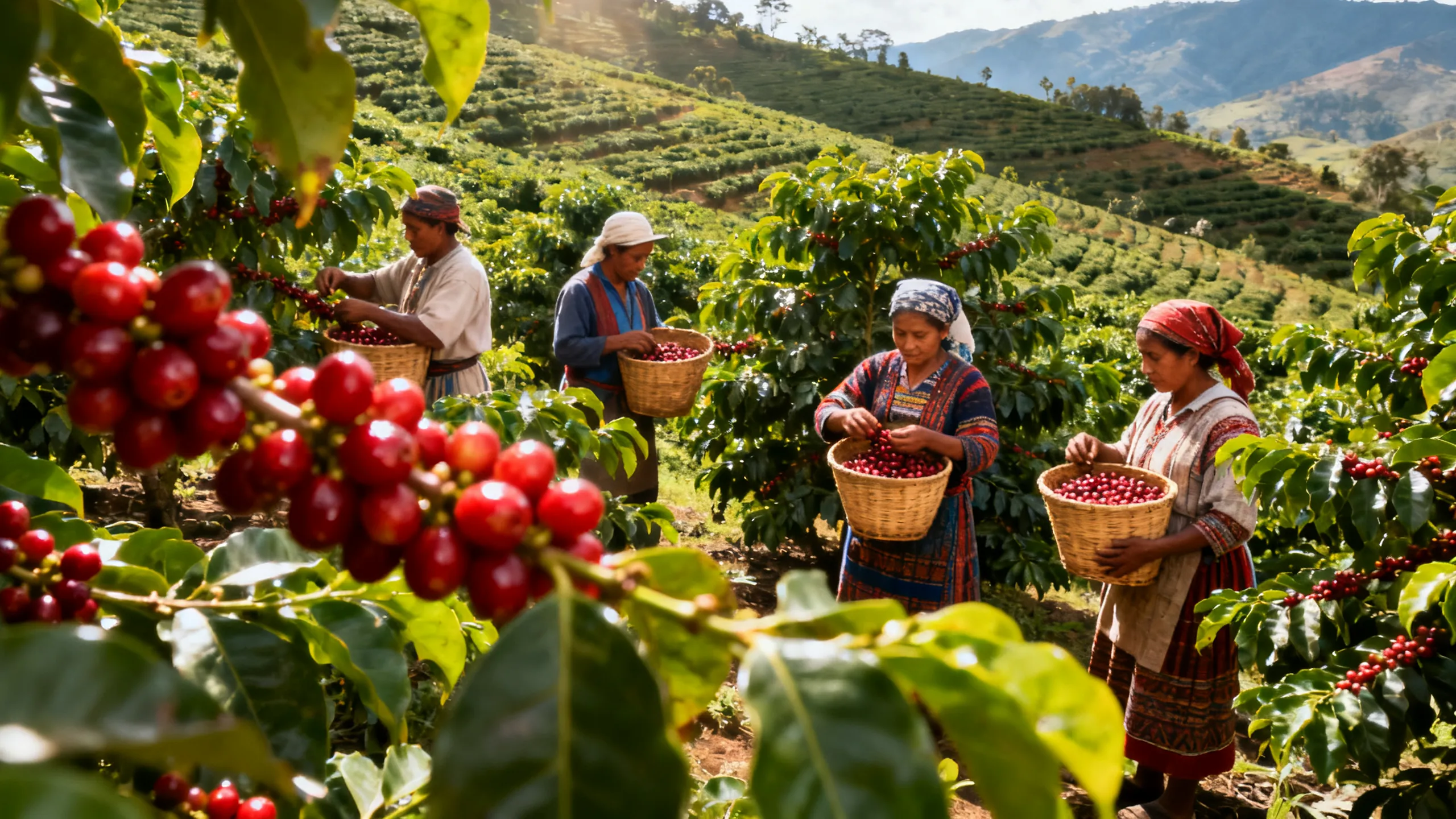
Environmental and agricultural factors, such as location, climate, altitude, specific temperatures, sunlight, and fertilizers, can all influence the potential flavor characteristics of coffee. From this perspective, coffee is similar to other agricultural products. Take the wine industry, for example; it is generally believed that the region where grapes are grown affects the flavor of the wine. These elements in wine have been studied very thoroughly, and sommeliers can determine the grape’s growing region just by smelling and tasting. However, when it comes to coffee, we have not yet reached this level of expertise.
Processing methods, that is, how the pulp is removed from the coffee beans and how the beans are dried, have a significant impact on flavor. First, if there are issues in the processing, the coffee can develop off-flavors or defects. In addition, the processing method chosen by the producer will also impart unique flavor characteristics to the coffee beans. There are mainly two processing methods for coffee beans, each of which affects the flavor differently.
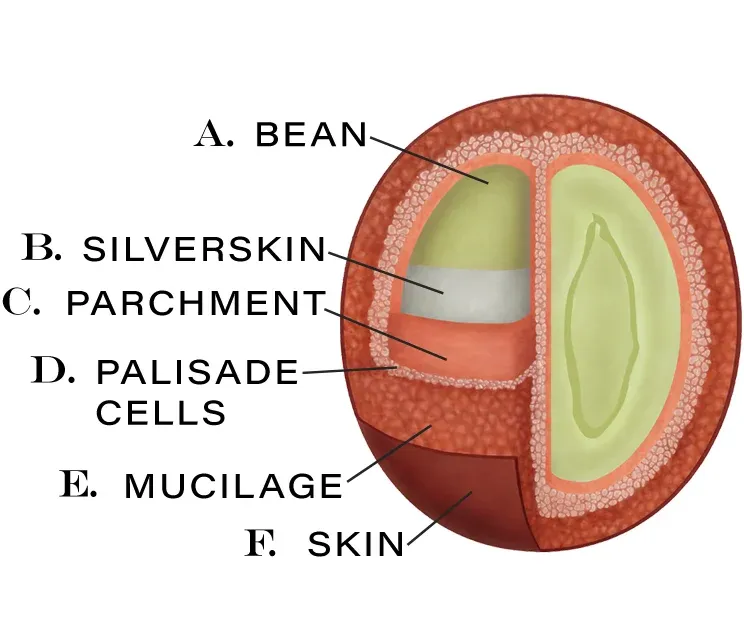
In general, the wet processing method (also known as the washed process) refers to separating the pulp from the coffee beans (seeds) before the beans are dried. First, the outer skin and pulp are removed using machinery. Normally, the coffee beans undergo fermentation, then the remaining pulp is washed away with water, and finally, the beans are dried. The dry processing method (also known as the natural process) is to dry the beans together with the pulp first and then remove the pulp. (There is also a method between the two; during drying, only part of the pulp is left on the beans. This method is called honey processing.)
The processing method adopted by producers often depends on their geographical location. For example, dry processing is used in areas with water scarcity. Of course, in countries with higher humidity, using the sun-drying method can also be challenging because the moisture in the air leads to prolonged drying times and fruit spoilage.
The process of removing the pectin layer generates flavor compounds. If the coffee undergoes a fermentation stage, the enzymes and yeasts involved in breaking down portions of the coffee fruit produce additional flavor compounds (although fermentation mistakes can also result in chemical tastes and other off-flavors). Some producers have begun experimenting with adding various yeasts and lactic acid bacteria during fermentation to elicit pleasant flavors, but this practice has not yet been extensively studied scientifically.
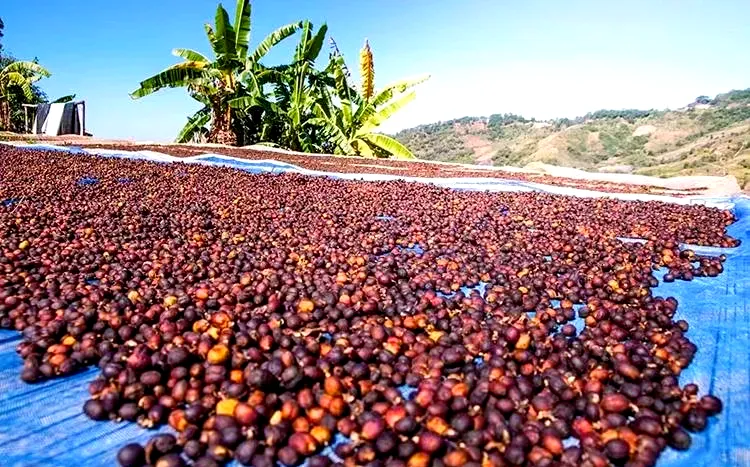
Sun-dried processed coffee has fruity aromas, which people believe are due to chemical reactions occurring between the fruit pulp and the coffee beans during drying. As a result, carefully processed sun-dried coffee has a unique fruit flavor. Sometimes, sun-dried coffee is criticized as "bland," perhaps because most sun-dried coffees share similar fruity notes. On the other hand, for those who have never tried it, sun-dried coffee often feels surprising and bold. Many coffee professionals are inspired to explore coffee after their first cup of sun-dried coffee (usually sun-dried Ethiopian, with a blueberry flavor).
Washed coffee tends to highlight the inherent compounds of the coffee beans themselves. They are often described as "clean." Studies show that compared to sun-dried coffee, washed coffee generally has higher acidity, a lighter body, and more aroma.
Sun-dried coffee, on the other hand, is usually sweet and smooth, with a heavy body. Although all the scientific reasons for its flavor have yet to be fully discovered, I bet your palate can already distinguish between sun-dried coffee and washed coffee.
Previous
Why Does Genetics Affect the Flavor of Coffee?
Read More
Next
Why Does Roasting Affect the Flavor of Coffee?
Read More


