In 2026, this decision matters more than ever. The global adaptogen beverage market is projected to reach $33.7 billion, with the adaptogen energy drink segment alone hitting $1.74 billion at a 16.8% CAGR. Meanwhile, rising stress levels—43% of U.S. adults report increased anxiety—are pushing consumers toward alternatives that deliver energy without side effects.
You’re tired, you need a boost—but which can should you reach for? A classic caffeine-packed energy drink, or a modern herbal adaptogen formula designed for calm, sustained energy?
In 2026, this decision matters more than ever. The global adaptogen beverage market is projected to reach $33.7 billion, with the adaptogen energy drink segment alone hitting $1.74 billion at a 16.8% CAGR. Meanwhile, rising stress levels—43% of U.S. adults report increased anxiety—are pushing consumers toward alternatives that deliver energy without side effects.
This guide compares caffeine vs herbal energy drinks across ingredients, effectiveness, side effects, and market trends, while also exploring how manufacturers like ZhenXi Industry help brands develop both categories.
For a deeper understanding of herbal formulations, explore What Is a Five Elements Energy Drink? Ingredients, Benefits & TCM Beverage Trends
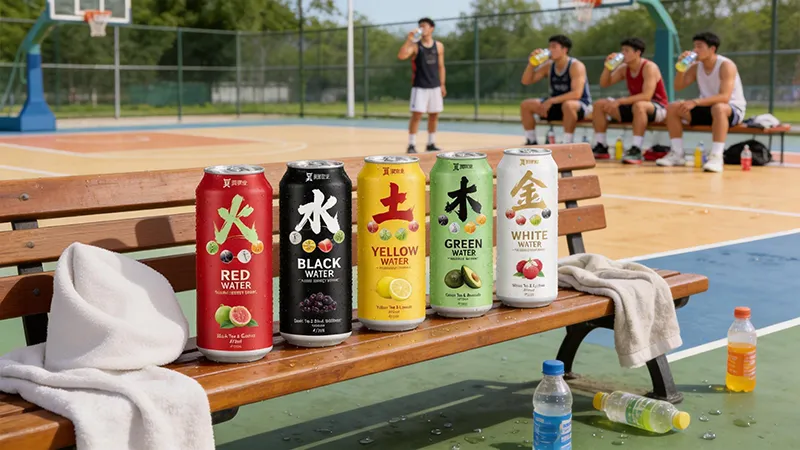
What’s in the Can? Ingredient Breakdown
Traditional Caffeine Energy Drinks
Typical caffeine energy drinks rely heavily on stimulation-driven formulas:
- Synthetic caffeine
- Rapidly blocks adenosine receptors, creating immediate alertness
- Delivers strong stimulation but often leads to energy crashes
- Typically dosed between 80–200mg per can
- Sugar (or high-fructose corn syrup)
- Provides quick glucose spikes for short-term energy
- Often exceeds recommended daily intake (up to 60g per can)
- Contributes to energy crashes and metabolic stress
- Taurine & B vitamins
- Widely included but with limited standalone performance evidence
- Often serve supportive or marketing roles rather than core function
- Additional caffeine sources (guarana, yerba mate)
- May increase total caffeine load beyond labeled values
- Contribute to overstimulation in sensitive consumers
👉 Key takeaway: Most of the perceived “energy” comes from caffeine alone—not the supporting ingredients.
Herbal Adaptogen Energy Drinks
Herbal energy drinks focus on balance, resilience, and sustained performance:
- Adaptogens (ashwagandha, rhodiola, ginseng)
- Help regulate cortisol and reduce stress response
- Support long-term energy stability rather than spikes
- Functional mushrooms (lion’s mane, cordyceps)
- Enhance cognitive clarity, focus, and endurance
- Support brain function and mitochondrial activity
- L-theanine (from green tea)
- Promotes calm focus and reduces caffeine-induced anxiety
- Works synergistically with natural caffeine
- Natural caffeine (optional)
- Derived from tea or plants, providing smoother stimulation
- Often combined with adaptogens for balanced energy
This type of formulation is commonly used in products like 473ml red energy, which emphasize sustained energy over stimulation.
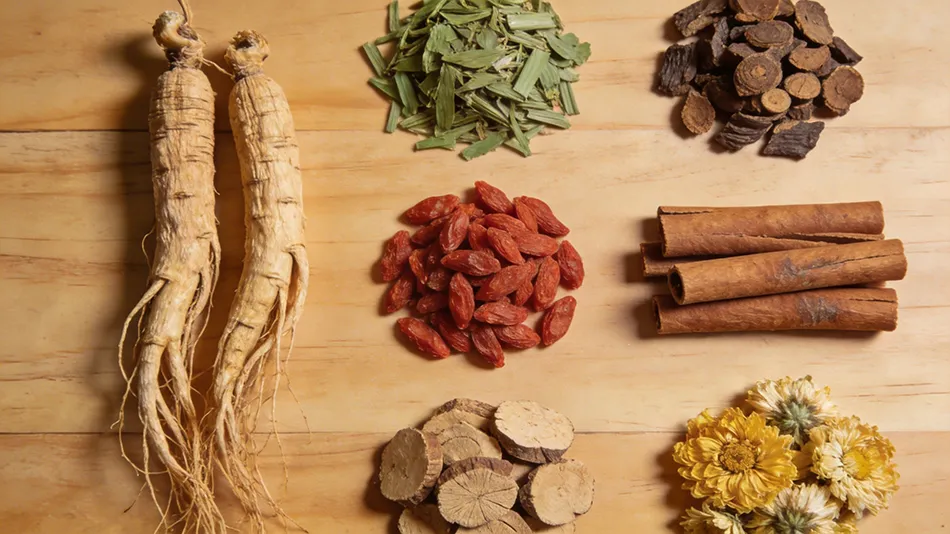
Effectiveness: How They Work
How Caffeine Works
Caffeine remains the most widely used stimulant globally because of its fast, predictable neurological effects. However, its effectiveness comes with trade-offs that brands and consumers must understand.
- Adenosine receptor antagonism
- Caffeine blocks A1 and A2A receptors in the brain, preventing the buildup of fatigue signals
- This creates a temporary perception of increased energy rather than actual energy production
- Dopamine and adrenaline stimulation
- Increases dopamine transmission, improving mood and motivation
- Triggers adrenaline release, activating the “fight-or-flight” response
- Performance advantages
- Proven to improve reaction time, alertness, and short-term physical performance
- Widely used in sports and high-focus environments
- Limitations in real-world use
- Energy is borrowed, not generated, often leading to post-stimulation fatigue
- Tolerance builds quickly, requiring higher doses for the same effect
- Sleep disruption reduces long-term productivity
👉 In short, caffeine is ideal for acute performance, but less suited for sustained daily energy.
How Herbal Adaptogens Work
Unlike caffeine, adaptogens work by supporting the body’s internal balance systems, making them increasingly relevant in modern, stress-heavy lifestyles.
- HPA axis regulation
- Adaptogens modulate the hypothalamic-pituitary-adrenal (HPA) axis
- Help stabilize cortisol levels, reducing chronic stress fatigue
- Cellular energy support
- Ingredients like cordyceps enhance mitochondrial ATP production
- Improve actual energy generation at the cellular level
- Neuroprotective effects
- Lion’s mane stimulates nerve growth factor (NGF)
- Supports long-term cognitive health and focus
- Cumulative performance benefits
- Effects build over time with consistent use
- Provide stable, non-volatile energy output
- Synergy with natural caffeine
- When combined with L-theanine, adaptogens reduce caffeine-induced anxiety
- Deliver “calm focus” instead of overstimulation
👉 This is why many modern formulations (including products like 473ml red energy) adopt a hybrid model of stimulation + regulation.
Side Effects: The Hidden Trade-Offs
Caffeine Side Effects
Excessive caffeine consumption may lead to:
- Cardiovascular stress
- Increased heart rate and blood pressure
- Potential risk for sensitive individuals
- Mental health impact
- Anxiety, restlessness, irritability
- Sleep disruption and insomnia
- Physical symptoms
- Digestive discomfort
- Dehydration due to diuretic effect
- Dependency risk
- Tolerance buildup requiring higher doses
- Withdrawal symptoms (fatigue, headaches)
Herbal Adaptogen Side Effects
Generally milder, but still require awareness:
- Ingredient sensitivity
- Some users may react to specific herbs
- Mild digestive discomfort possible
- Dosage considerations
- High doses of ginseng may affect sleep
- Interactions with medications possible
- Regulatory differences
- Acceptance varies across markets (US/EU/Asia)
Overall, adaptogens are considered lower-risk for long-term use.
Market Trends: Where the Industry Is Going
Growth of Adaptogen Energy Drinks
The adaptogen energy drink category is not just growing—it is reshaping the entire functional beverage industry.
- Shift from stimulation to wellness
- Consumers are moving away from “high caffeine, high sugar” products
- Demand is rising for functional benefits beyond energy
- Premiumization trend
- Herbal energy drinks are often priced 20–50% higher
- Consumers accept higher prices for perceived health value
- Cross-category expansion
- Adaptogens are entering:
- Energy drinks
- RTD teas
- Functional sparkling beverages
- Sports hydration drinks
Key Consumer Trends
- “Calm energy” is the new standard
- Consumers want focus without anxiety or crashes
- Especially relevant for office workers, gamers, and students
- Ingredient transparency
- Short, recognizable ingredient lists increase trust
- “No artificial additives” is becoming a baseline expectation
- Sugar reduction
- Low-sugar or zero-sugar formulations are now dominant
- Sweeteners like stevia and monk fruit are widely used
- Mental wellness positioning
- Energy drinks are no longer just about physical performance
- Now tied to mood, stress, and cognitive health
Packaging & Delivery Innovation
Packaging is becoming a strategic differentiator, not just a container.
- Aluminum cans dominate
- Products like 473ml Aluminum Beverage Cans provide:
- Total light blockage → protects herbal actives
- Oxygen barrier → improves shelf life
- Premium visual appeal
- Sustainability advantage
- Aluminum is 100% recyclable
- Aligns with ESG and global environmental policies
- Functional packaging design
- Matte finishes, embossing, and minimalist design
- Reinforce premium + health positioning
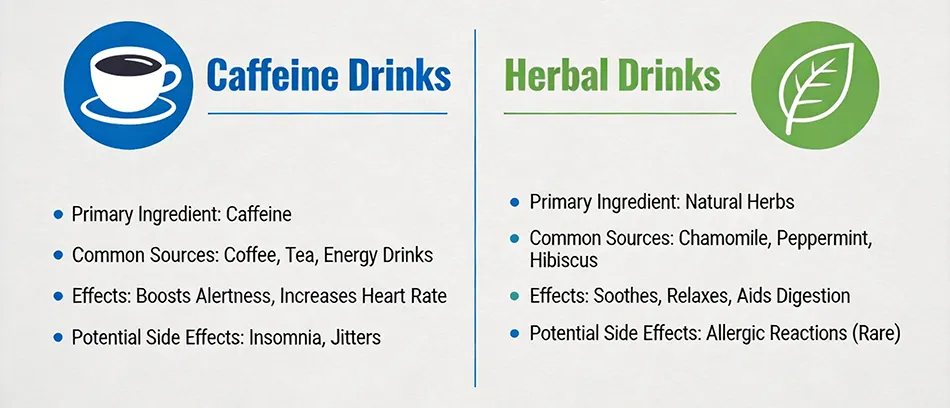
Which Is Better? It Depends on Your Needs
Choose Caffeine Energy Drinks If:
- You need immediate performance output
- Ideal for:
- Night driving
- Deadline-driven work
- Short-term physical exertion
- You have high caffeine tolerance
- Regular coffee or energy drink users
- Minimal sensitivity to stimulants
- You prioritize intensity over duration
- Strong alertness is more important than stability
- You are cost-sensitive
- Traditional energy drinks remain more affordable
Choose Herbal Energy Drinks If:
- You need all-day productivity
- Suitable for long work sessions, studying, or creative tasks
- You are sensitive to caffeine
- Experience jitters, anxiety, or sleep issues
- You value long-term health
- Focus on stress management and hormonal balance
- You align with wellness trends
- Prefer plant-based, clean-label products
- You want consistent performance
- No energy spikes or crashes
The Hybrid Approach
The most promising direction is combining both systems:
- Balanced stimulation
- Natural caffeine + L-theanine → smooth alertness
- Adaptogen stacking
- Ashwagandha + rhodiola + ginseng
- Multi-pathway fatigue resistance
- Functional layering
- Energy + hydration + cognition in one product
Premium SKUs such as 473ml black energy demonstrate how brands position hybrid products for high-end consumers.
What This Means for Beverage Brands
Market Opportunity
For beverage brands, this category represents a rare convergence of growth + differentiation:
- Fastest-growing segment
- Adaptogen drinks outperform traditional categories
- White space opportunity
- Few dominant global brands (compared to Red Bull / Monster)
- Higher margins
- Premium positioning allows better profitability
- Global scalability
- Strong demand in:
- North America (wellness-driven)
- Asia (TCM acceptance)
- Middle East (functional beverages)
ZhenXi Industry – OEM Advantage
Like leading integrated manufacturers such as ZhenXi Industry:
- Full vertical integration
- Raw material sourcing → formulation → filling → packaging
- Reduces supply chain risk and inconsistency
- Proven operational performance
- 100% on-time delivery rate
- 80% customer repurchase rate
- Demonstrates reliability at scale
- Dual-category expertise
- Caffeine energy drinks
- Herbal adaptogen beverages
- Hybrid formulations
- Speed-to-market capability
- Concept to production in weeks, not months
- Ideal for trend-driven product launches
Product & Packaging Synergy
Successful brands don’t just sell formulas—they sell complete product systems:
- Formulation + packaging alignment
- Herbal drinks → require light protection
- Aluminum cans become the preferred format
- Brand storytelling
- TCM concepts + modern science
- Cultural differentiation in global markets
- Scalable SKUs
- Example formats:
- 473ml red energy → mass functional segment
- 473ml black energy → premium positioning
Conversion Path
If you’re planning to launch a product:
- Validate your concept (caffeine vs herbal vs hybrid)
- Develop pilot formulations
- Test with small production runs
- Scale with a reliable OEM partner
👉 Start here: contact us for formulation and production support.
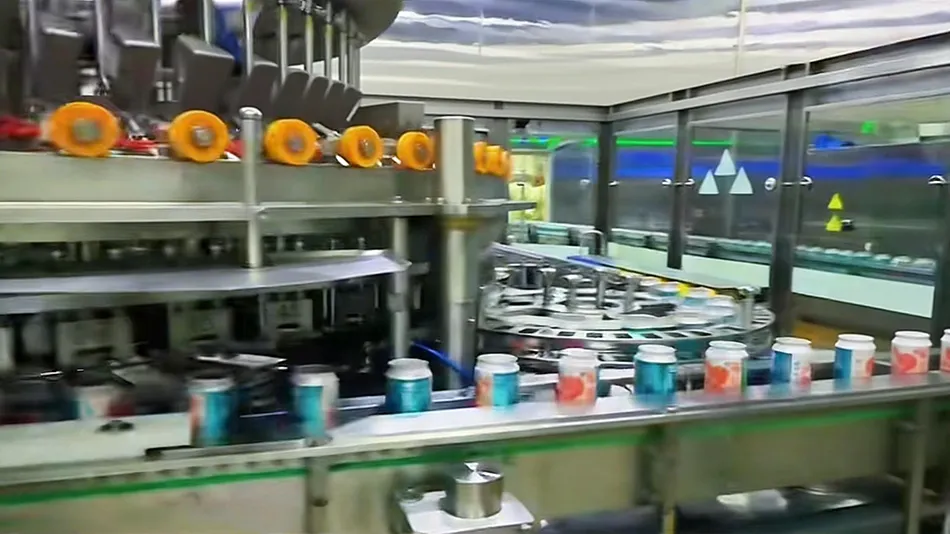
Future Outlook (2026–2030)
Key Trends Through 2030
The energy drink industry is entering a structural transformation phase, where performance, wellness, and sustainability converge.
Natural caffeine will replace synthetic dominance
-
- Increasing regulatory and consumer scrutiny on synthetic additives
- Growth of plant-based caffeine sources such as:
- Green tea extract
- Guarana
- Yerba mate
- Brands positioning around “clean energy” gain stronger consumer trust
Adaptogens will become mainstream, not niche
-
- Ingredients like ashwagandha, ginseng, and lion’s mane are moving from specialty stores into mass retail
- Consumer education through social media and wellness platforms accelerates adoption
- Functional claims shift from “energy” → “stress + focus + mood”
Clean-label becomes mandatory, not optional
-
- Consumers expect:
- No artificial colors
- No preservatives
- No synthetic additives
- Short ingredient lists improve both conversion rate and brand credibility
Multi-functional beverages will dominate
-
- Future products will combine:
- Energy
- Hydration (electrolytes)
- Cognitive support (nootropics)
- “All-in-one performance drinks” become a key category
Sustainable packaging becomes a competitive advantage
-
- Carbon footprint transparency becomes part of brand storytelling
- Aluminum packaging (e.g. 473ml Aluminum Beverage Cans) gains preference due to:
- 100% recyclability
- High recovery rates globally
- Strong barrier protection for herbal ingredients
Emerging Product Directions
- RTD (Ready-to-Drink) dominance
- Consumers prefer convenience over powders or capsules
- Ready-to-drink herbal energy beverages will continue to outperform
- TCM globalization
- Traditional Chinese Medicine concepts gain international recognition
- Products inspired by frameworks
- Cultural storytelling becomes a key differentiation factor
Regulatory Evolution
- EU BPA-NI enforcement (2026)
- All beverage packaging must comply with BPA-free coatings
- Pushes manufacturers toward safer material innovation
- Ingredient transparency requirements
- Stricter labeling rules in the US and EU
- Increased scrutiny on functional claims
- Global convergence of standards
- FDA, EFSA, and Asian regulatory frameworks becoming more aligned
- Easier cross-border product expansion for compliant brands
What This Means for Brands
- Competing on caffeine strength alone is no longer sustainable
- Differentiation must come from:
- Ingredients
- Functionality
- Brand story
- Packaging
Brands that combine science + natural ingredients + scalable manufacturing will dominate the next decade.
Conclusion & Action Plan
Key Takeaways
- There is no universal “better” choice
- Caffeine delivers fast, high-intensity stimulation
- Herbal adaptogens provide stable, long-lasting energy
- The best choice depends on user needs and context
- The market is clearly shifting toward balance
- Consumers are moving away from “extreme stimulation”
- Demand is rising for:
- Calm energy
- Stress management
- Cognitive performance
- Hybrid formulations are the future
- Natural caffeine + adaptogens + nootropics
- Deliver both immediate and sustained performance
- Represent the fastest-growing innovation segment
- Manufacturing capability determines success
- Product success depends not only on concept, but on:
- Formulation expertise
- Stability control
- Scalable production
- Regulatory compliance
Suppliers like Hainan Zhenxi possess a complete production system from raw materials and bottling to delivery, with a 100% on-time delivery rate and an 80% repurchase rate proving their integrated capabilities.
Action Plan for Consumers
- Evaluate your caffeine tolerance before choosing products
- Avoid exceeding 400mg/day caffeine intake
- Test herbal energy drinks for long-term productivity needs
- Choose low-sugar or sugar-free options
- Pay attention to ingredient transparency
Action Plan for Brands
If you’re planning to enter the energy drink market:
- Step 1: Define your positioning
- Caffeine-based
- Herbal adaptogen
- Hybrid functional beverage
- Step 2: Select core ingredients
- 2–3 hero ingredients (e.g., ginseng, ashwagandha, green tea)
- Ensure compatibility and regulatory approval
- Step 3: Develop formulations
- Focus on:
- Taste masking
- Stability
- Functional effectiveness
- Step 4: Choose the right packaging
- Aluminum cans recommended for:
- Shelf life
- Brand perception
- Explore options like 473ml red energy and 473ml black energy positioning strategies
- Step 5: Validate with pilot production
- Small batch testing (1 container MOQ)
- Market feedback before scaling
- Step 6: Partner with an experienced OEM
- Reduce development risks
- Accelerate time-to-market
- Ensure compliance across regions
The energy drink market is evolving fast—and the winners will be brands that move early with the right strategy.
Whether you want to launch a high-performance caffeine drink or a next-generation herbal adaptogen beverage, having the right manufacturing partner is critical.
FAQ
1. Are herbal energy drinks healthier than caffeine drinks?
Herbal energy drinks are generally considered healthier for long-term use because they focus on stress regulation and sustained energy rather than stimulation. However, effectiveness depends on formulation and individual tolerance.
2. Do herbal energy drinks contain caffeine?
Some do, but typically from natural sources like green tea. Others are completely caffeine-free and rely solely on adaptogens.
3. Which is better for focus?
Caffeine provides immediate alertness, while adaptogens like lion’s mane and rhodiola support long-term cognitive performance. A combination often works best.
4. Are adaptogens scientifically proven?
Yes, many adaptogens have clinical studies supporting stress reduction, fatigue improvement, and cognitive benefits, though effects are generally milder than caffeine.
5. How can I develop my own energy drink brand?
You can partner with OEM manufacturers like ZhenXi Industry, who provide formulation, production, packaging, and compliance support—reducing development time from months to weeks.


