The global adaptogen energy drink mix market is booming—projected to reach $1.74 billion in 2026, growing at an impressive 16.8% CAGR. At the same time, the broader adaptogenic beverage market is expected to hit $3.37 billion, driven by increasing demand for natural, functional energy solutions.
The global adaptogen energy drink mix market is booming—projected to reach $1.74 billion in 2026, growing at an impressive 16.8% CAGR. At the same time, the broader adaptogenic beverage market is expected to hit $3.37 billion, driven by increasing demand for natural, functional energy solutions.
Behind this growth is a fundamental shift in consumer behavior. In 2024, 43% of U.S. adults reported higher anxiety levels, pushing demand for energy drinks that deliver focus and stamina without jitters or crashes.
Enter adaptogens and Traditional Chinese Medicine (TCM) herbs—natural ingredients that help the body manage stress while providing sustained energy.
This guide explores the top 10 herbal ingredients for energy drinks, along with formulation insights from ZhenXi Industry, a leading OEM beverage manufacturer with 20+ years, 12 production bases, and 55 advanced production lines.
This guide explores the top 10 herbal ingredients for modern energy drinks, combining TCM wisdom and adaptogen science. For a deeper understanding of formulation logic, see What Is a Five Elements Energy Drink? Ingredients, Benefits & TCM Beverage Trends.
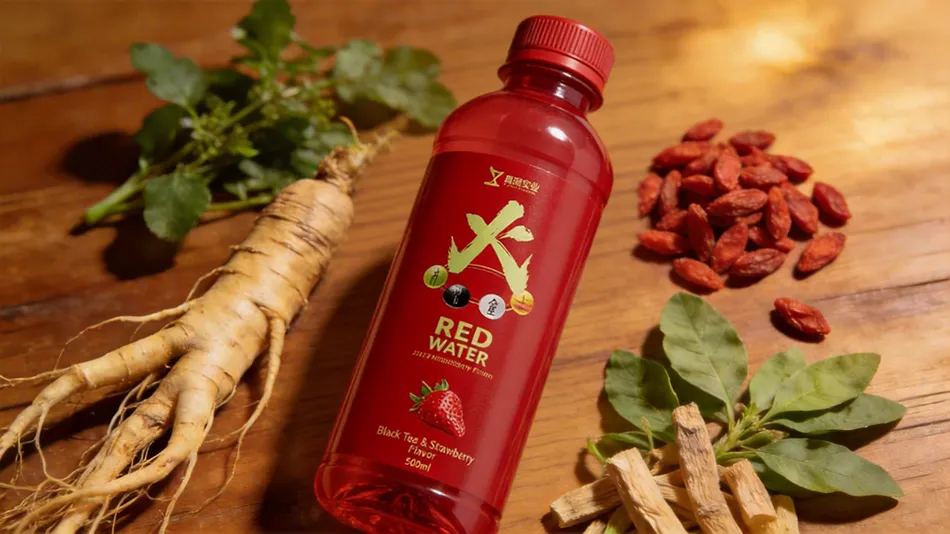
What Are Adaptogens and Why Do They Matter?
Definition and Mechanism
Adaptogens are natural plant-based compounds that help the body adapt to stress and restore balance (homeostasis). Unlike synthetic stimulants, they do not force a temporary spike in energy—instead, they regulate systems like:
- Cortisol (stress hormone)
- Nervous system balance
- Energy metabolism
Key characteristics:
- Non-specific
Adaptogens do not target a single organ or symptom. Instead, they help the body respond to a wide range of stressors—physical fatigue, mental pressure, environmental changes, and even sleep disruption. This makes them especially suitable for modern consumers who face multiple stress triggers daily, from work pressure to digital overload.
- Normalizing
Unlike stimulants that push the body in one direction (e.g., increasing heart rate), adaptogens work bidirectionally. They can help calm the body when stress levels are high and support energy when fatigue sets in, maintaining internal balance (homeostasis). This is particularly important for “all-day energy” beverage positioning.
- Non-toxic
Adaptogens are generally safe for long-term daily consumption when used within recommended dosages. This aligns perfectly with the growing demand for clean-label, functional beverages that consumers can integrate into their daily routines without health concerns.
The TCM Connection
Traditional Chinese Medicine has applied adaptogenic principles for over 2,000 years through the concept of “Medicine and Food Homology”.
- 106 officially approved ingredients in China
- Includes ginseng, goji berry, schisandra
- Enables use in functional beverages globally
Market Validation
| Metric |
Value |
| Adaptogen energy drink mix (2026) |
$1.74B |
| Total adaptogen beverages |
$3.37B |
| CAGR |
16.6–16.8% |
| Organic beverage market (2024) |
$9.5B |
| US adults with anxiety (2024) |
43% |
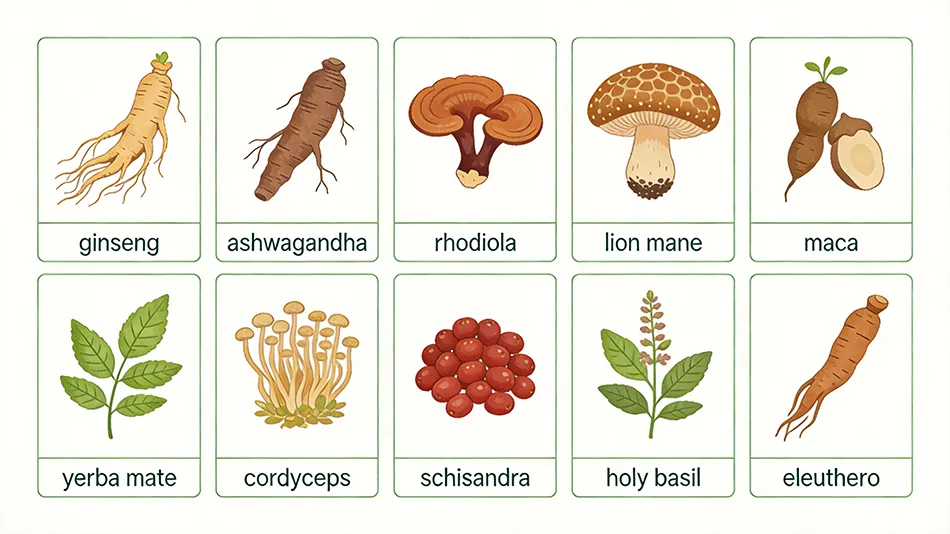
The Top 10 Herbal Ingredients for Energy Drinks
Category 1: Stress & Cortisol Regulators
#1 Ashwagandha
- Reduces cortisol by 20–30%
- Improves stress resilience
- Ideal for “calm energy” positioning
👉 Widely used in adaptogen drinks like TRIP
#2 Rhodiola Rosea
- Enhances endurance
- Reduces mental fatigue
- Improves cognitive performance
Category 2: TCM Energy & Vitality Herbs
#3 Ginseng
- Core TCM “Qi booster”
- Improves endurance and immunity
- Rich in ginsenosides
👉 ZhenXi uses fermentation technology to enhance absorption
#4 Goji Berry
- High antioxidant content
- Supports immune and visual health
#5 Schisandra
- Enhances mental clarity
- Improves stress resistance
Category 3: Cognitive Focus Herbs
#6 Lion’s Mane
- Supports brain function
- Promotes NGF (nerve growth factor)
#7 Cordyceps
- Boosts ATP production
- Enhances physical endurance
#8 Ginkgo Biloba
- Improves blood flow
- Enhances focus and memory
Category 4: Energy & Metabolism
#9 Eleuthero
- Improves stamina
- Supports immune system
#10 Green Tea Extract
- Natural caffeine source
- Contains L-theanine
- Provides smooth, sustained energy
How These Ingredients Are Typically Combined
- Adaptogen + Natural Caffeine
A common formulation strategy is combining adaptogens like ashwagandha or ginseng with natural caffeine sources such as green tea extract. This pairing delivers both immediate alertness and long-term stress resilience, creating a “fast + slow energy” dual-effect system that modern consumers prefer.
- Cognitive Stack Formulation
Ingredients like lion’s mane, ginkgo biloba, and L-theanine are often combined to create a nootropic-focused beverage. This type of formulation targets office workers, gamers, and students who prioritize focus and mental clarity over physical stimulation.
- Endurance & Performance Blends
Cordyceps, rhodiola, and eleuthero are frequently used together in sports-oriented energy drinks. These ingredients support oxygen utilization, ATP production, and fatigue resistance, making them ideal for fitness and endurance markets.
- TCM Synergy Formulas
Based on TCM principles, ingredients like ginseng, goji berry, and schisandra are combined to balance “Qi, Yin, and Yang.” This holistic approach enhances overall vitality rather than targeting a single function, which is highly appealing in Asian and increasingly global markets.
Many modern herbal energy drinks use natural caffeine sources such as green tea extract to provide smooth and sustained energy. This approach is widely applied in functional products like 473ml red energy, which combines natural ingredients with balanced energy delivery.
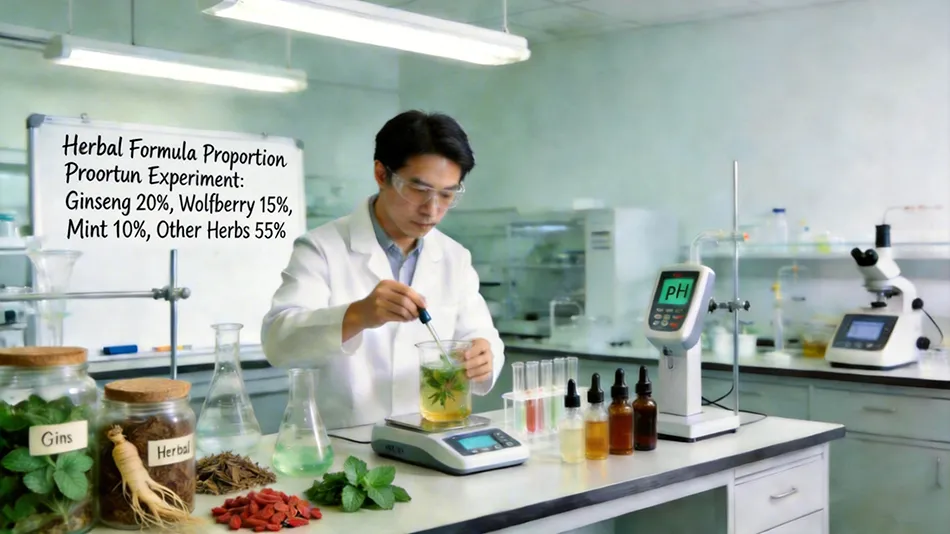
Ingredient Comparison Summary
Why Synergy Matters in Herbal Energy Drinks
- Multi-target mechanism
Unlike caffeine, which primarily stimulates the central nervous system, herbal combinations act on multiple biological pathways—stress response, immune function, and energy metabolism—resulting in a more balanced and sustainable energy effect.
- Improved consumer perception
Products with multiple well-known ingredients (e.g., ginseng + ashwagandha) are often perceived as more premium and effective, increasing both shelf appeal and willingness to pay.
- Enhanced functional claims
Combining ingredients allows brands to position their products around multiple benefits such as “energy + focus + stress relief,” which aligns with modern multifunctional beverage trends.
- Risk diversification
Relying on a single active ingredient can be risky due to regulatory restrictions or supply chain fluctuations. A multi-ingredient approach provides more flexibility and resilience.
When developing scalable products, packaging plays a critical role in preserving ingredient stability and product quality. Solutions like 473ml Aluminum Beverage Cans offer excellent light and oxygen protection, making them ideal for herbal energy drink formulations.
Formulation Challenges and Solutions
The Stability Challenge
- Polysaccharides degradation
Polysaccharides found in goji berry and medicinal mushrooms can degrade under high temperatures, leading to reduced viscosity and weakened functional benefits. This not only affects mouthfeel but also reduces perceived product efficacy.
- Flavonoid instability
Flavonoids such as anthocyanins are highly sensitive to heat and pH changes. Exposure to high temperatures during pasteurization can result in color fading and loss of antioxidant properties, impacting both visual appeal and health positioning.
- Saponin hydrolysis
Active compounds like ginsenosides in ginseng can break down when exposed to heat or improper pH conditions, reducing their anti-fatigue and cognitive benefits. This directly affects product performance claims.
- Volatile oil loss
Aromatic compounds responsible for herbal flavor profiles can evaporate during high-temperature processing, leading to a flat or less appealing taste profile.
ZhenXi’s Technical Solutions
- Fermentation → improves bioavailability
- Low-temp grinding → preserves nutrients
- Cold aseptic filling → protects actives
- Emulsion tech → improves stability
👉 Like integrated suppliers such as ZhenXi, full-chain control from raw materials to filling ensures 100% on-time delivery and 80% reorder rate, proving the value of vertical integration.
Taste Masking
Herbal bitterness is a major barrier.
- Natural flavor balancing
Citrus (lemon, grapefruit) and berry extracts are commonly used to offset bitterness and earthy notes. These flavors not only mask unpleasant tastes but also enhance the refreshing perception of the drink.
- Advanced sweetener systems
Combining stevia with monk fruit extract creates a more rounded sweetness profile, eliminating the metallic or lingering aftertaste often associated with single sweeteners.
- Acidity control
Ingredients like citric acid and malic acid are used to balance sweetness and bitterness, creating a more dynamic and palatable flavor profile that appeals to global consumers.
- Texture optimization
By adjusting viscosity and mouthfeel, formulators can mimic the “body” of sugar-containing drinks, improving overall drinking experience even in zero-sugar formulations.
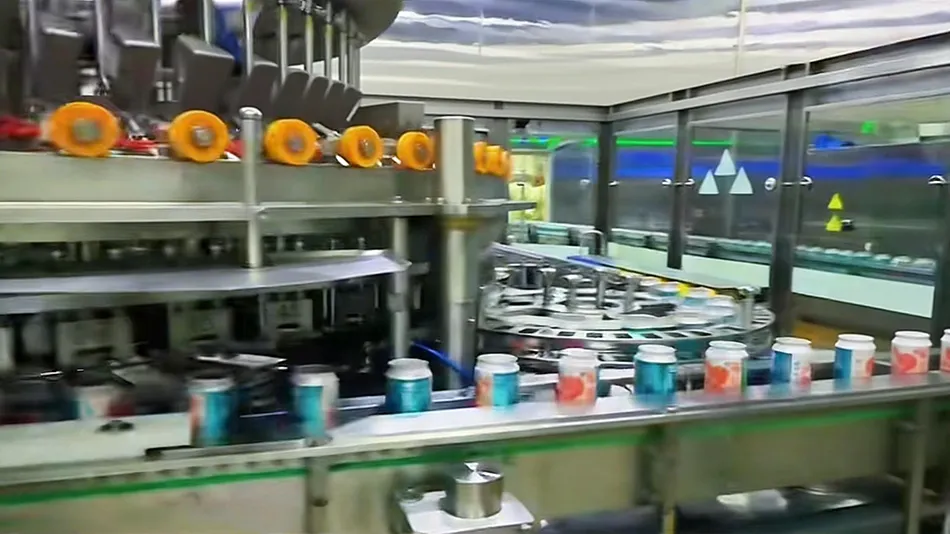
Why ZhenXi Industry Is Your Ideal Partner
Company Strength
- 20+ years experience
- 12 production bases
- 55 production lines
- MOQ: 1 container
- Delivery: 20–25 days
End-to-End OEM Advantages
- Full supply chain integration
From raw material sourcing and extraction to filling and packaging, ZhenXi controls every stage of production. This reduces dependency on third parties and ensures consistent product quality across batches.
- Faster time-to-market
With an established formulation library and in-house R&D team, brands can move from concept to finished product in as little as 8–12 weeks—significantly faster than industry averages.
- Flexible MOQ for testing
The 1-container MOQ allows startups and new brands to test the market without committing to large inventory risks, making innovation more accessible.
- Global compliance support
ZhenXi provides full documentation for FDA, EU, and HALAL markets, helping brands avoid regulatory delays and ensuring smooth international expansion.
Case Study
A North American brand launched:
- Ginseng + adaptogen drink
- Zero sugar
- Natural caffeine
Packaging Integration Benefits
- Aluminum can compatibility
Aluminum cans provide excellent protection against light and oxygen, which is critical for preserving sensitive herbal compounds like flavonoids and polyphenols.
- Sustainability positioning
With 100% recyclability, aluminum packaging aligns with global sustainability trends and enhances brand image among environmentally conscious consumers.
- Brand differentiation
Advanced printing and embossing options allow brands to create visually striking packaging that stands out on crowded retail shelves.
The product was successfully launched with strong market feedback and repeat orders. Similar positioning can also be seen in products like 473ml black energy, which target premium functional beverage markets.
Results:
- 14-week launch
- Entered 50+ stores
- Sold out in 3 months
Market Trends and Future Outlook
Key Trends
- Shift toward natural caffeine
Consumers are increasingly moving away from synthetic caffeine toward plant-based sources like green tea, guarana, and yerba mate. These sources provide smoother energy release and better brand perception.
- Mainstream adoption of adaptogens
Ingredients like ashwagandha, lion’s mane, and ginseng are no longer niche. They are now widely recognized and accepted by mainstream consumers, especially in North America and Asia.
- Clean label demand
Shoppers are actively reading ingredient lists and prefer products with fewer, recognizable components—no artificial colors, preservatives, or synthetic additives.
- Energy + hydration hybrid drinks
Modern consumers want multifunctional beverages. Combining electrolytes with adaptogens creates products that support both energy and hydration.
- “No-jitters” positioning
The combination of L-theanine with caffeine is becoming a standard formulation approach, offering focused energy without anxiety or crashes.
Regional Product Adaptation Strategies
- North America
Consumers prefer clearly labeled functional benefits such as “stress relief” and “focus.” Ingredients like ashwagandha and lion’s mane perform particularly well due to high awareness and acceptance.
- Asia-Pacific
TCM ingredients such as ginseng, goji berry, and herbal blends resonate strongly due to cultural familiarity. Products positioned around “Qi” and holistic wellness are especially effective.
- Europe
Regulatory compliance is critical. Brands should prioritize approved ingredients and focus on clean-label positioning, with lower caffeine content and transparent labeling.
- Middle East
Halal certification is essential. Flavor profiles should lean toward sweeter, fruit-forward options, and energy drinks remain a strong category among younger consumers.
Conclusion & Action Plan
Key Takeaways
- Herbal energy drinks are a high-growth category
- Adaptogens offer sustained, no-crash energy
- Formulation requires technical expertise
- OEM partners accelerate time-to-market
Immediate Action Plan
- Define your core positioning
Decide whether your product focuses on energy, mental clarity, stress relief, or a combination of these benefits. Clear positioning helps guide ingredient selection and branding strategy.
- Select 2–3 hero ingredients
Start with a small number of well-researched herbs such as ginseng, ashwagandha, or green tea extract to ensure formulation stability and clear marketing messaging.
- Validate regulatory compliance
Check whether your chosen ingredients comply with regulations in your target markets, including FDA (US), EFSA (EU), and HALAL requirements.
- Develop and test prototypes
Work with an OEM partner to create pilot samples, conduct taste testing, and gather consumer feedback before scaling production.
- Choose the right packaging
Aluminum cans are recommended for herbal energy drinks due to their protective properties and sustainability benefits.
Partnering with experienced OEM manufacturers can significantly reduce development risks and accelerate time-to-market. To get started, you can contact us for formulation support, sample development, and production consultation.
FAQ
1. What are the best herbal ingredients for energy drinks?
The best herbal ingredients for energy drinks include ginseng, ashwagandha, rhodiola, and green tea extract. These adaptogens help improve energy levels, reduce stress, and enhance mental focus. Many modern formulations combine 2–4 herbs to create synergistic effects, delivering sustained energy without the jitters associated with synthetic caffeine.
2. Are herbal energy drinks healthier than traditional energy drinks?
Herbal energy drinks are generally considered healthier because they rely on natural adaptogens and plant-based caffeine sources. Unlike traditional energy drinks that may cause rapid spikes and crashes, herbal formulations provide more balanced, sustained energy and often include additional benefits such as stress reduction and cognitive support.
3. How many herbal ingredients should be used in one formula?
Most successful herbal energy drinks use between 2 to 4 key ingredients. This allows for synergistic effects without overcomplicating the formula. Using too many herbs can create formulation challenges, including taste imbalance, stability issues, and regulatory complexity.
4. How long does it take to develop a herbal energy drink?
With an experienced OEM manufacturer like ZhenXi, development typically takes 8 to 16 weeks. This includes formulation, stability testing, taste optimization, compliance checks, and pilot production. Working with an OEM significantly reduces time-to-market compared to in-house development.
5. What is the best packaging for herbal energy drinks?
Aluminum cans are the preferred packaging choice because they provide 100% light protection, helping preserve sensitive herbal compounds such as flavonoids and saponins. They are also fully recyclable, making them ideal for brands focusing on sustainability and premium positioning.


