In 2026, beverage brands in Africa and the Middle East (MEA) encounter a major hurdle: making the most of increasing demand from a youthful, city-bound population while dealing with aluminum prices that rest at a fresh peak caused by worldwide supply shortages.
At ZhenXi, we aid you in converting this instability into a market edge. With more than 20 years of experience, 12 production sites, and 55 automatic production lines, we provide full OEM/ODM packages. From careful mixing to final cleaning, our linked supply chain serves as a barrier against rising expenses. By following strict guidelines like ISO9001 and HACCP, we guarantee your profits stay strong without sacrificing quality, even in a pricey raw material setup.
This guide details practical steps to safeguard your earnings in 2026.
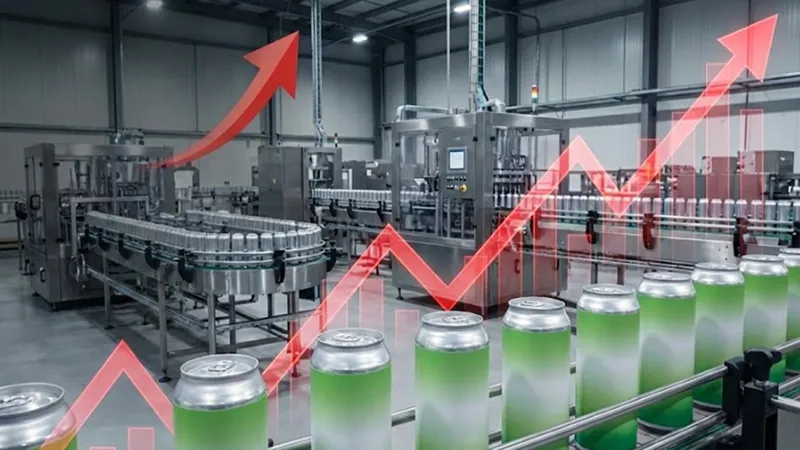
To properly tackle the growing charges in energy drink OEM costs, we need to first understand the broad economic forces behind the present price jump. The worldwide aluminum sector now wrestles with a basic shortage that experts predict could hit a shortfall of almost 2 million tons by the end of 2026. This case is not simply a brief supply line glitch; it shows a core change in how this essential metal is employed across the world economy.
The key trigger for this price course is the bold growth of green power fields globally. Building Electric Vehicles (EVs) and solar photovoltaic parts demands large volumes of aluminum, setting the beverage sector against high-tech energy build projects for basic supplies. As countries speed to achieve carbon-neutral targets, the need for lightweight metal has surged. Moreover, worldwide melting capacities have reached a standstill due to firm carbon output limits in primary output zones. This policy limit curbs the chance for providers to overload the market and cut prices, maintaining the aluminum price forecast 2026 on a rising course. These elements combine to create ongoing pressure on availability, affecting industries reliant on stable metal pricing.
For our partners shipping in Africa and the Middle East, the case worsens from distinct area transport issues. While the Middle East gains from reduced energy charges for on-site handling, the area now experiences a huge setup surge, which requires a notable extra on ready metal supplies for building purposes. In Africa, money swings versus the US dollar frequently worsen the arrival expense of imported goods. This pattern renders the usual approach of bringing empty cans for local filling overly costly alongside the "China Manufacturing + Export" approach, which taps into local scale benefits to lessen these extras. Such local factors demand tailored strategies to handle import duties and transport paths effectively.
Projected Cost Impact Factors for 2026
|
Cost Driver |
Impact Level |
Estimated 2026 Metrics |
Primary Cause |
|
LME Aluminum Price |
High |
>$3,000 / ton (Projected) |
Green energy demand (EVs, Solar) is exceeding supply capacity. |
|
Regional Premiums |
Medium-High |
+$250 - $450 / ton (MEA) |
Infrastructure projects in MEA are absorbing local metal supply. |
|
Logistics Costs |
Medium |
+12% - 15% (YoY Increase) |
Fuel costs and shipping route adjustments are affecting landed costs. |
|
Processing Fees |
Low |
< 3% (Stable) |
Stabilized by efficient manufacturing technologies and automation. |
When aluminum prices climb, the ripple moves straight through the Cost of Goods Sold (COGS). For a standard canned energy drink, the packaging—particularly the aluminum beverage can and lid—can make up an impressive 60% to 70% of the entire bill of materials (BOM), greatly surpassing the expense of the liquid blend itself.
A 10% rise in raw aluminum prices does not shift straight to a 10% rise in the end product expense, but it does notably wear down slim profits. For brands that depend on basic pricing models, this variation can rapidly change a money-making SKU into a loss item. Small-scale OEM plants often miss the protection skills or the storage ability to cushion these upticks, compelling them to forward the complete expense rise straight to the brand holder. This is where the size of your production ally turns into a vital guard resource. Larger partners can spread risks across volumes, stabilizing costs for clients in fluctuating times.
Besides the straight price per item, climbing material expenses spark follow-on supply chain problems that can halt smaller setups.

Up against these challenges, merely hiking the retail price is not always a practical choice, particularly in price-aware markets like West Africa or rival centers like Dubai. Instead, we suggest a solid three-part plan to offset expense upticks while boosting brand worth.
One of the most evidence-based methods to fight climbing material expenses is to employ fewer resources without harming the build firmness. We have put substantial effort into lightweight tech that permits the aluminum beverage can walls to be as slim as a human hair while keeping adequate build strength to endure inner carbonation force and outer transport strains. This approach cuts usage without risking product safety or appeal.
Furthermore, selecting the right format can significantly impact logistics costs. For instance, Sleek Cans (e.g., 330ml sleek) often allow for higher packing density in a shipping container compared to Standard Cans.
Additionally, we utilize advanced "nanocrystalline light-blocking" technology. This innovation not only reduces material usage but also provides a UV blocking rate of 99.7%. This preservation capability is crucial for protecting light-sensitive ingredients like vitamins and taurine, ensuring that the product maintains its efficacy throughout its shelf life, thus reducing waste and returns. Such tech adds layers of protection, helping brands extend product freshness in warm climates common to target regions.
The strongest shield against instability is a tie with a maker that holds full supply chain linking. In China, the aluminum recycling rate exceeds 85%, forming a loop economy that softens against sharp LME swings. For a deeper analysis on how this circular economy protects your profit margins, read our 2026 Industry Insight: Why Recycled Aluminum is the Best Hedge Against Rising Raw Material Costs.
We run a large setup of 55 production lines, enabling us to obtain raw aluminum coils in large batches that smaller plants simply cannot get. This buying strength allows us to fix prices and protect against brief peaks. By providing a real one-stop OEM/ODM service—from raw material procurement and can body manufacturing to filling and packaging—we remove the "double margin" buildup that usually takes place when a brand buys empty cans from one provider and hires filling to another. This integrated approach can save significant percentage points on the final unit cost. It streamlines operations, cutting out middle steps that inflate expenses.
In a pricey setup, vying only on price leads to a drop to the lowest level. The better plan is to raise the worth of the beverage. If the packaging costs more, the liquid inside must offer more to back the shelf price to the buyer. We firmly advise brands to explore focused blends that address clear buyer needs in the target area. A top case of this plan is our ZhenXi 500ml Cucumber Flavor Canned Electrolyte Energy Drink.
Why this product succeeds in the 2026 market:
By shifting focus from a generic "energy drink" to a "functional hydration solution," brands can command a premium that absorbs the underlying packaging cost increases while delivering genuine value to the consumer. This move not only counters price hikes but also strengthens market position through real benefits.
Handling the 2026 terrain demands more than a simple plant; it calls for a planner who can foresee market changes. We hold that quick action, rule-keeping, and tech know-how are the keys to releasing growth in the Middle East beverage market.
Getting into the MEA area requires firm commitment to food and safety rules. Without correct approval, boxes can get turned away at customs, a pricey headache for any brand. We uphold a strong collection of global approvals, including FDA, FSSC, GMP, HACCP, ISO, and HALAL. This makes certain your product is not just top grade but also totally matches local rules, from Nigeria to Saudi Arabia. Our expert group assists in steering the tricky rule terrain, ensuring your labels and blends fit all local demands. This groundwork avoids setbacks and speeds up market entry across borders.
In an unstable market, quickness holds value. We give unmatched bend to aid your business rise:
The climbing expense of aluminum in 2026 is a must-deal money truth, but it does not have to end profits. By taking on a plan method—refining packing weight, tapping the scale benefits from a key Chinese maker, and shifting toward high-value, working blends—brands in Africa and the Middle East can succeed.
At ZhenXi, we pledge to serve as the power source for your growth. Whether you seek a cost-effective energy drink manufacturing ally or a focused electrolyte fix, our framework is designed to supply value.
Contact us today to talk about how we can craft a pricing and production plan that shields your baseline and drives your brand onward.
Q: With aluminum prices rising, is it better to switch to PET bottles for energy drinks?
A: While PET bottles may have a lower initial material cost, aluminum beverage cans offer superior protection for sensitive energy drink ingredients. Cans provide 100% light blocking, which prevents the oxidation of key components like taurine and vitamins. Additionally, aluminum cans offer better gas retention for carbonation and have a significantly higher recycling value, aligning better with the increasing environmental regulations in many Middle Eastern and African nations.
Q: Can you help us navigate the import regulations for HALAL products in the Middle East?
A: Absolutely. Our facilities and products, including our electrolyte energy drinks, are HALAL certified. We provide all necessary documentation, including COA (Certificate of Analysis) and compliance certificates, to ensure smooth customs clearance in markets like Saudi Arabia, UAE, and others. We ensure that all ingredients, including flavorings, strictly adhere to Halal standards.
Q: What is the minimum order quantity (MOQ) if we want to create a private-label energy drink with custom printing?
A: For fully custom lithographic printing directly on the aluminum beverage cans, the industry standard MOQ is typically around 300,000 to 500,000 cans per design to amortize the setup and plate costs efficiently. However, we understand the needs of growing brands. For smaller batches, we can discuss alternative solutions such as blank cans with high-quality shrink sleeves or adhesive labels, which allow for lower MOQs starting at just one container.


