Chinese medicine has a long history of being added to tea and using medicine as tea - it started in the Tang Dynasty, flourished in the Song Dynasty, flourished in the palace, and spread among the people, commonly known as "tea substitute". Many tea substitutes combine treatment and health preservation, taste good, and are safe and convenient. Therefore, at a time when drinks such as milk tea and coffee are popular, tea substitutes are also popular.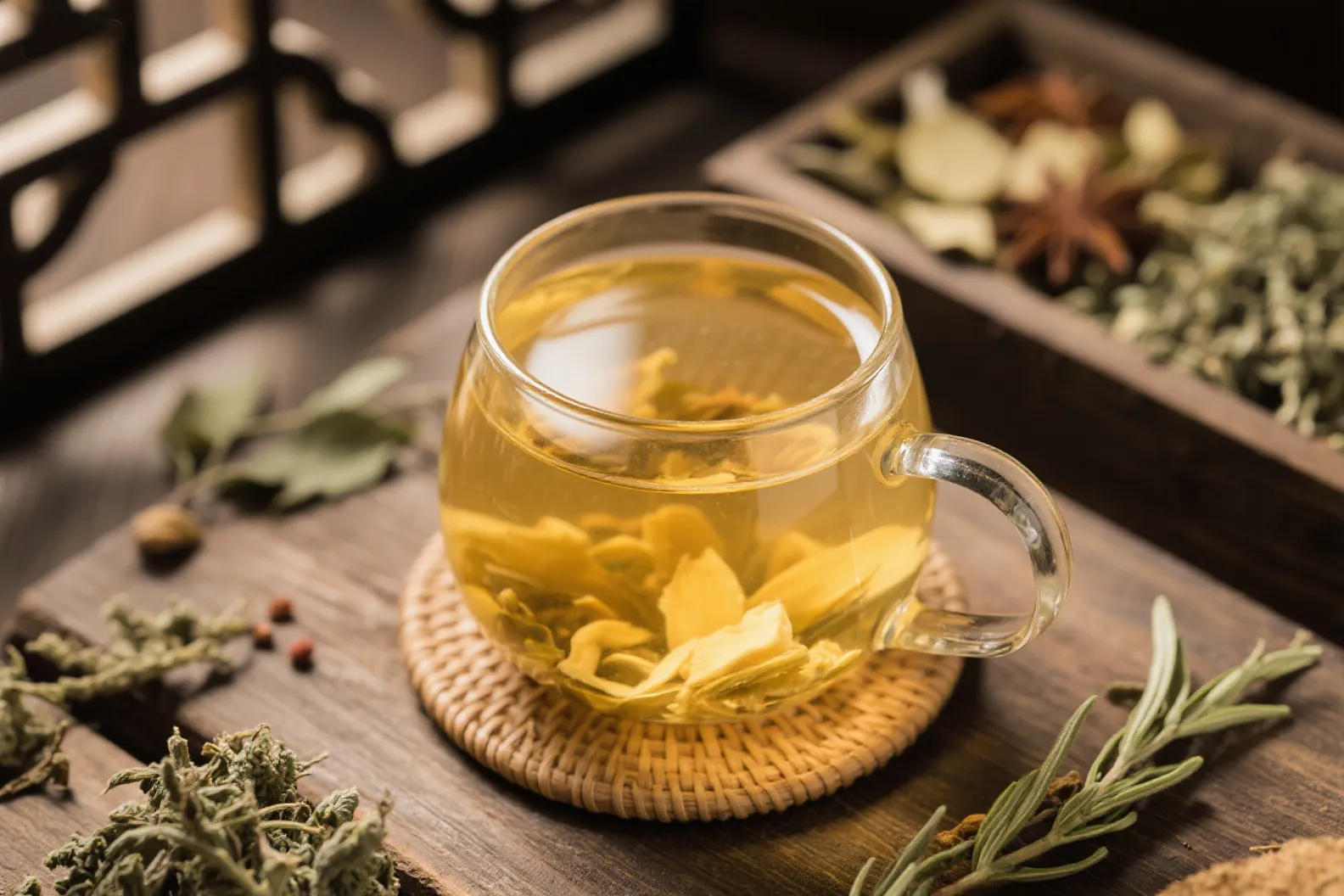
Herbal tea, with its diverse flavors and unique benefits, has become a top choice for those seeking a healthy lifestyle. From aromatic herbal teas to refreshing herbal teas to traditional Chinese herbal teas, each type of tea is like a gift from nature, nourishing and calming our body and mind. With a cup of tea, let us experience the magical power of nature and receive comprehensive care for our bodies.
Antioxidant and Anti-Inflammatory Effects: The polyphenols and flavonoids in herbal teas (such as honeysuckle, dandelion, and mint) can scavenge free radicals, slow cellular oxidation, and reduce the risk of chronic inflammation. For example, chamomile tea contains apigenin, which can relieve skin allergies, and the gingerol in ginger tea can help reduce joint inflammation.
Relieve Stress and Improve Mood: Some herbal teas contain sedative ingredients. For example, the alkaloids in passionflower tea can regulate neurotransmitters and relieve anxiety; the linalool in lavender tea can lower cortisol levels and promote relaxation. However, it's important to note that long-term mood issues require professional treatment.
Promote Digestion and Regulate the Intestines: Peppermint tea relaxes gastrointestinal muscles and relieves bloating; the triterpenes in licorice tea protect the gastric mucosa; and fennel tea, through its volatile oils, promotes bile secretion and accelerates fat breakdown. These are most effective when taken after meals.
Boost Immunity and Relieve Colds: The chicoric acid in echinacea tea activates immune cells; elderflower tea contains antioxidants and vitamin C, which can shorten the duration of colds. However, boosting immunity requires a comprehensive, long-term approach and shouldn't rely on a single beverage.
Improve Sleep Quality: Valerian root tea helps with sleep by regulating gamma-aminobutyric acid (GABA); jujube seed tea is commonly used in Traditional Chinese Medicine to calm the nerves. Avoid excessive drinking before bed to prevent frequent waking and disrupting sleep.
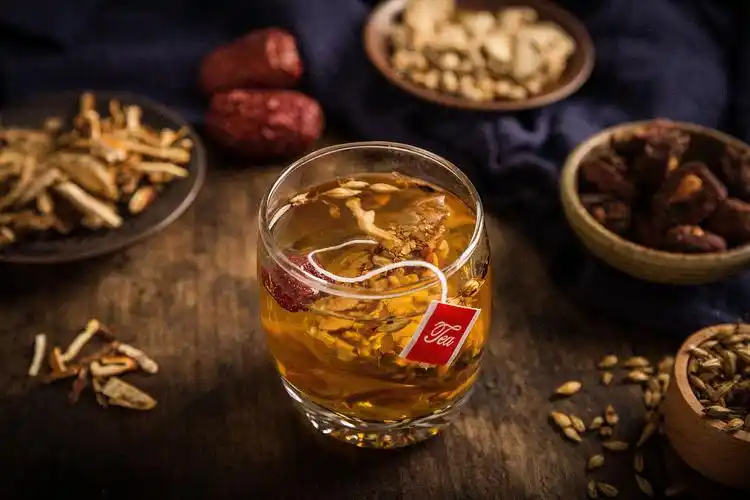
Tea substitutes are Chinese herbal medicines (single or compound) with safe and mild medicinal properties that are brewed or boiled to replace tea for drinking. Chinese herbal tea has an improvement effect on common chronic diseases and sub-health conditions, can relieve fatigue, promote digestion, regulate emotions, and can also be used for health care or auxiliary treatment of diseases. Indications include physical fatigue, pharyngitis, cough, obesity/hyperlipidemia, dry mouth/diabetes, hypertension, rheumatic pain, indigestion, constipation, insomnia, etc.
Tea substitutes are widely used and can be drunk and carried at home, in the office, or when going out. However, tea substitutes are not a hodgepodge of medicinal materials. Their formulation and preparation must be based on the theory of TCM syndrome differentiation. They can be made entirely of Chinese medicine or combined with tea. A single medicinal material can be brewed, or multiple medicinal materials, such as 3 to 5 kinds of medicine, can be brewed together, generally not more than 10.
Nowadays, there is a wide variety of medicinal materials suitable for tea substitutes, mostly flowers, leaf stalks, rhizomes, and fruits. Common flower teas include roses, chrysanthemums, jasmine, honeysuckle, etc., leaf (stalk) teas include mint, perilla stems, loquat leaves, dandelions, etc., root (stem) teas include ginseng, astragalus, cordyceps, kudzu root, etc., fruit teas include xiqingguo, monk fruit, wolfberry, mulberry, ophiopogon, hawthorn, jujube, etc., and seeds include radish seeds, cassia seeds, wax gourd seeds, and sterculia lychnophora.
Different types of medicinal teas have different effects. Flowers and leaves are light in texture, and the effective ingredients are easy to precipitate after brewing, and most of them have the effect of dispelling the exterior and regulating qi. Since the flowers and leaves are "light", 3 to 5 grams can be used each time. After brewing 1 to 2 times, the taste will fade and can be brewed again. Root and stem medicinal teas are heavy in texture and have a tonic effect, so 6 to 10 grams can be used each time. They are suitable for multiple brewing and drinking throughout the day. In the evening, the softened medicinal materials can be chewed to help the effect.
The effects of tea substitutes with different combinations of materials vary. They can not only replenish the body, but also help the body "reduce the burden". For example, ginseng medicinal tea is good at replenishing qi, which can help improve symptoms such as fatigue, shortness of breath, palpitations and spontaneous sweating, lack of energy, fear of cold, and loose stools. It is suitable for people with chronic fatigue syndrome and chronic diseases. Commonly used ginseng teas include American ginseng, raw sun-dried ginseng (white ginseng), Codonopsis, and Pseudostellaria. Wild ginseng with strong tonic effects is best stewed. Another part of ginseng tea tends to nourish yin and can replenish weak qi. Such as Adenophora australis, Adenophora scutellariae, Scrophularia ningpoensis, etc., are suitable for people with yin deficiency who have dry mouth and throat, dry cough and dry nose, dry stool and difficult to pass, and red tongue with little coating. Take 3 to 5 slices of each (about 10 to 15 grams) when drinking. It should be noted that when drinking "ginseng tea" to replenish deficiency, it is not suitable to eat radish.
People often say "soaking wolfberries in a thermos cup" is suitable for people with physical weakness who stay up late to work overtime and consume a lot of brain power. It can help improve hair loss, backache, tinnitus, etc. In addition, mulberry seeds, dodder seeds, and astragalus seeds can also be used in combination, either alone or in multiple choices. However, it should be remembered that those with thick and greasy yellow tongue coating, yellow sputum, sore throat, or even fever should temporarily postpone taking tonic tea substitutes.
People with a big belly, overweight, and obesity can drink "scrape fat and clean intestines" tea substitutes while exercising, using medicinal teas that have the effects of removing phlegm and dampness, aiding digestion, and lowering blood lipids to improve abnormal metabolism and reduce weight for the body. It is recommended to choose about 10 grams each of raw hawthorn, cassia seed, and tangerine peel as the basic formula. For lower limb edema, add 6 grams of winter melon peel, light bamboo leaves or corn silk; for abdominal distension or indigestion, add 10 grams of fried malt; for obesity, add 6-10 grams of lotus leaves; for constipation, add 2-3 grams of senna leaves.
Children have weak compliance with medication, so parents may try to drink it instead of tea. For children with weak spleen and stomach, which cause food retention or partiality and anorexia, 4-6 grams of Pseudostellaria chinensis, charred hawthorn, fried Shenqu, fried malt, and tangerine peel can be boiled in water and used as tea, which has the effect of strengthening the spleen and stomach and digesting food.
In other aspects, Chinese medicine tea can also "treat both body and mind". Because of the current fast-paced life, if you want to help alleviate the symptoms of depression, insomnia, and irritability, the selection of materials should mainly be flowers. Flower medicinal tea has a fragrant smell and helps relieve emotional distress. For example, rose or white plum blossom tea can relieve liver depression, kudzu flower tea can help sober up and refresh the mind, and jujube flower with jujube kernel can relieve restlessness and insomnia. Women with menstrual disorders can take rose or safflower as tea 3 to 5 days before menstruation to help regulate qi and activate blood circulation and relieve dysmenorrhea. Since the flower is light, 3 to 5 grams is enough.
In the recovery period of upper respiratory tract infection, pharyngitis or excessive use of throat use, when there are dry throat coughs, foreign body sensation in the throat, itchy throat and hoarseness, "drink slowly" instead of tea, it is particularly suitable to moisten the throat with tea. For example, with 5 grams each of Ophiopogon japonicus, Western Green Fruit, and Mint and 2 grams of Oroxylum butterfly as the basic formula, add Perilla leaf for foreign body sensation in the throat, honeysuckle or wild chrysanthemum for sore throat, Nepeta tenuifolia for itchy throat, and Huajuhong for expectoration. 3 to 5 grams of each of the above is appropriate. Fruits can be added to Sterculia lychnophora (1 to 2 pieces) and Monk Fruit (1 broken into pieces and used in divided doses).
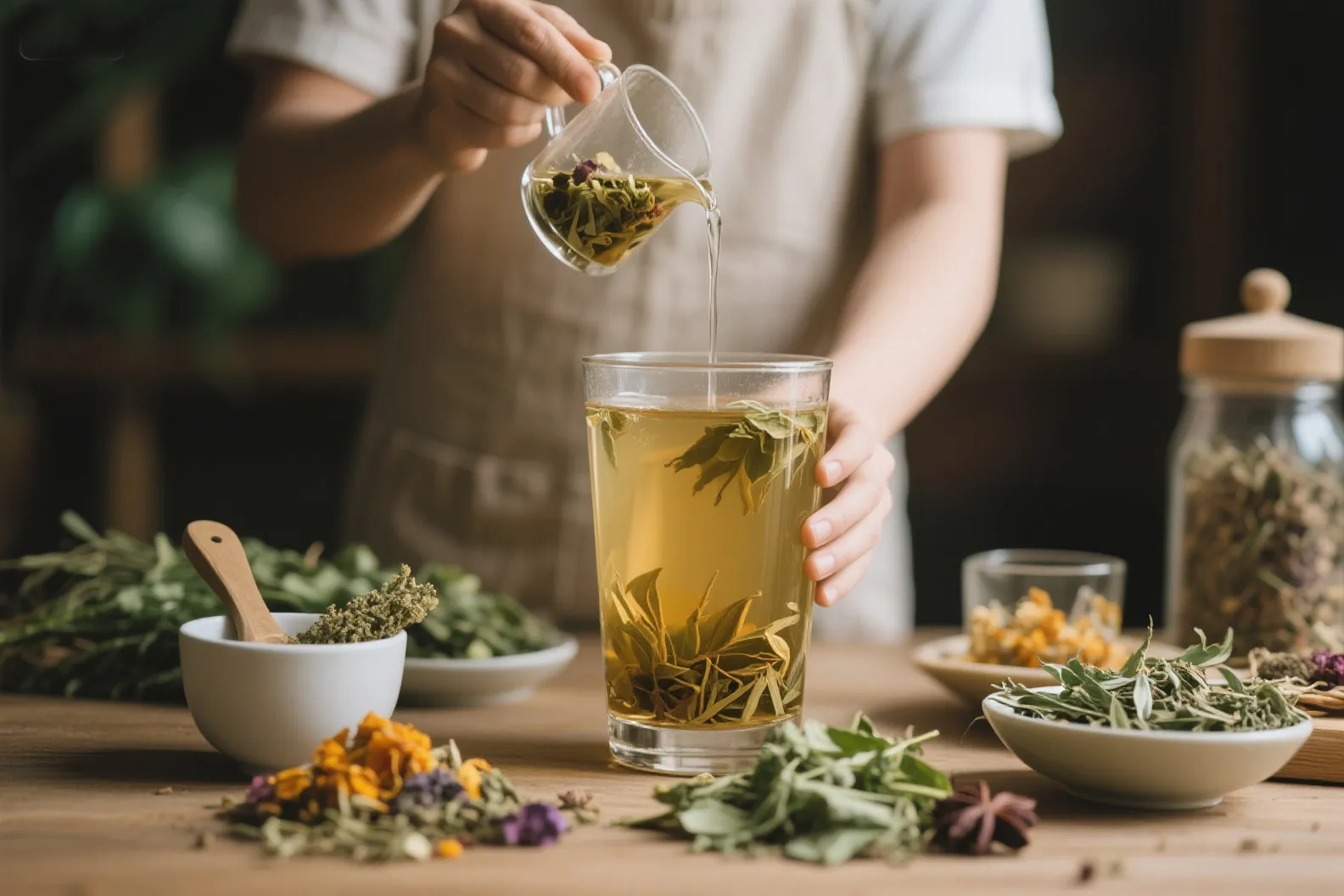
To prepare a tea substitute, "water and a cup" is enough, and the method is mainly brewing and decocting. Before brewing or decocting, rinse the medicinal materials with water to remove impurities and dust. For light and small medicinal teas, directly use a glass cup, enamel cup, purple sand cup, or stainless steel tea cup to brew with boiling water, and drink it in 10-20 minutes. Avoid using plastic cups; medicinal teas with heavier textures can be placed in a wide-mouthed thermos cup, soaked in boiling water, covered and simmered for 2-3 hours to warm it up. It can also be boiled in a small casserole, electric health pot, or stainless steel pot. After boiling over high heat, turn to low heat for 15-20 minutes. Avoid using iron pots and aluminum pots.
It is best to take the tea substitute warm. There is no strict requirement for the drinking time. The normal drinking amount is 400-500 ml/day, which can be increased to 1000 ml as appropriate due to physical condition and condition. It is also important to remind you that some fragile medicinal teas with residues can be put into cotton paper tea bags to prevent the residues from irritating the throat and causing choking and coughing; medicinal teas for clearing heat and removing fire are bitter, so rock sugar or honey can be added as appropriate for flavoring.
Menthol packs a punch when it comes to fighting colds, and peppermint tea contains menthol. "It really stimulates your immune system."
Peppermint tea can soothe sore throat muscles, relieve nasal congestion, and even reduce fevers. It also has antibacterial and antiviral properties, giving you a health boost.
If you're craving some zzz's, brew a cup of chamomile tea before bed.
The daisy-shaped chamomile plant contains apigenin, an antioxidant compound and nap-inducing agent. Apigenin attaches to receptors in the brain to reduce anxiety, establish a calming sense of tranquility, and induce sleepiness. "Chamomile is a mild sedative."
Is your stomach feeling a little jolted, like you've just been jolted off a roller coaster that lurches and loops? The solution is tea made with ginger, a time-tested spice that has been soothing the tummy since ancient times.
Research shows that ginger can naturally combat nausea, making it a go-to remedy if you're dealing with morning sickness during pregnancy.
Ginger also offers proven digestive benefits by helping your body move food from the stomach and onward on its journey through the digestive tract. Speeding up this process can calm indigestion and relieve stomach aches. "Ginger relaxes your intestines, which can make you feel more comfortable if you have stomach issues."
It is suitable for symptoms such as loss of appetite, indigestion, bloating, nausea, and vomiting caused by food stagnation in the spleen and stomach.
Lo Han Guo Chrysanthemum Tea can treat and relieve cold and flu symptoms, clear heat and moisten the lungs, clear the liver and improve eyesight, relieve summer heat and thirst, and promote bowel movements. It is suitable for drinking year-round.
Mint herbal tea can calm tension, refresh and relieve depression, relieve coughs, relieve cold headaches, stimulate the appetite and aid digestion, eliminate bloating or indigestion, and soothe a sore throat. It helps stimulate the appetite and digestion, relieves stomachaches and headaches, and promotes metabolism, eliminates bad breath, and helps sober up.
Traditional Chinese medicine tea substitutes typically involve boiling herbs and drinking them directly with warm water to achieve their therapeutic effects. Because these tea substitutes contain numerous medicinal ingredients, many of which are derived from foods that are both medicinal and edible, their active ingredients are complex. Long-term consumption of these tea substitutes can increase the burden on the liver and kidneys due to drug overdose, potentially leading to liver and kidney damage in severe cases. Furthermore, tea substitutes contain a wide variety of medicinal herbs, such as motherwort, prunella vulgaris, scutellaria baicalensis, and honeysuckle, all of which have a cooling effect. Long-term consumption of these tea substitutes can adversely affect the spleen and stomach, potentially causing diarrhea, abdominal pain, and other discomfort.


