The global adaptogen energy drink market is projected to reach $1.74 billion in 2026, growing at a remarkable 16.8% CAGR. The broader adaptogenic beverage market is expected to hit $3.37 billion, confirming a structural shift toward herbal energy drinks, adaptogen beverages, and clean-label functional drinks.
The global adaptogen energy drink market is projected to reach $1.74 billion in 2026, growing at a remarkable 16.8% CAGR. The broader adaptogenic beverage market is expected to hit $3.37 billion, confirming a structural shift toward herbal energy drinks, adaptogen beverages, and clean-label functional drinks.
Consumers are actively moving away from synthetic caffeine toward natural, sustained energy solutions that support focus, mood, and stress resilience—without crashes.
This guide explains how to develop a herbal energy drink with an OEM manufacturer, from ingredient selection and formulation science to compliance and mass production—featuring insights from ZhenXi Industry (20+ years, 12 production bases, 55 lines, 40%+ reorder rate).
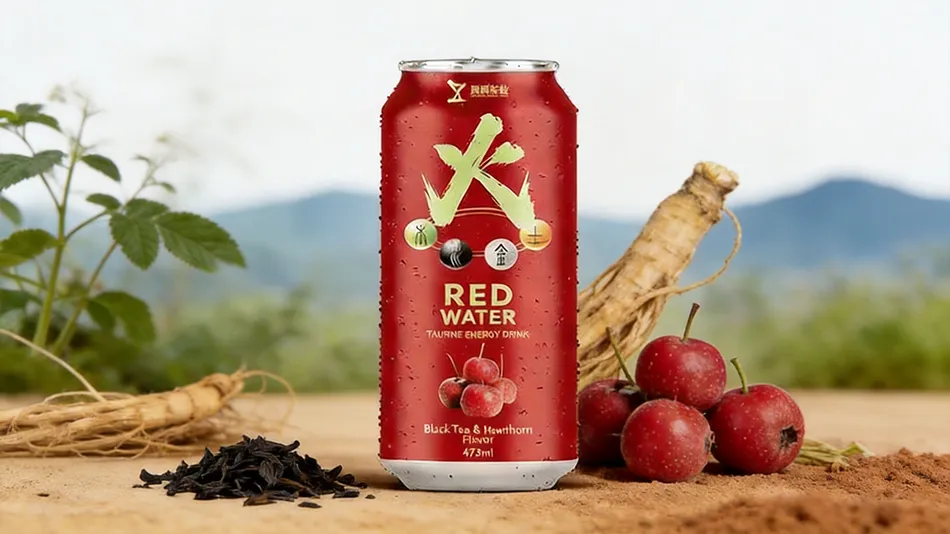
Why Herbal Energy Drinks? Understanding the Market Opportunity
The Shift from Synthetic to Natural Energy
Traditional energy drinks rely on synthetic caffeine stimulation, which often creates a short-term spike followed by a crash. Increasingly, consumers are rejecting this model in favor of balanced, functional energy.
- Energy without crashes is becoming a core demand
Consumers are no longer satisfied with temporary stimulation. They expect beverages that deliver sustained performance throughout the day, especially in work and fitness scenarios.
- Mental health awareness is reshaping beverage choices
With 43% of U.S. adults reporting increased anxiety, drinks that combine energy with stress support (adaptogens) are gaining traction.
- Functional beverages are replacing traditional categories
Energy drinks are evolving into multi-functional products that support cognition, immunity, and recovery.
Key Consumer Drivers
- Clean label demand
Consumers prefer short ingredient lists with recognizable names. This pushes brands toward natural sweeteners, plant extracts, and transparent sourcing.
- Natural ingredient preference
Over half of consumers actively seek beverages with plant-based or naturally derived ingredients, especially in premium segments.
- Functional benefits beyond energy
Modern products must deliver multiple benefits—focus, stress relief, hydration, and recovery—within one formulation.
- Rise of adaptogens
Ingredients like ashwagandha, ginseng, and lion’s mane are moving from niche supplements into mainstream RTD beverages.
The OEM Advantage for Herbal Drinks
- Accelerated product launch timelines
OEM partners reduce development cycles from 8–12 months to 3–4 months by leveraging existing formulations and validated processes.
- Reduced R&D investment risk
Brands avoid building internal labs and hiring formulation teams, significantly lowering upfront costs.
- Built-in regulatory expertise
Experienced manufacturers provide FDA, EU, and HALAL documentation, ensuring smoother market entry.
Key Herbal Ingredients for Energy Drinks
Natural Caffeine Sources
- Guarana
A powerful natural caffeine source that releases energy gradually, reducing crash effects while maintaining performance.
- Yerba Mate
Provides both caffeine and antioxidants, offering a balanced stimulation with added health benefits.
- Green Tea Extract
Combines caffeine with L-theanine, improving focus while reducing jitteriness—ideal for “clean energy” positioning.
Adaptogens for Sustained Energy
- Ginseng
Clinically studied for improving endurance and reducing fatigue, widely used in premium energy formulations.
- Ashwagandha
Reduces cortisol and supports stress adaptation, making it ideal for modern lifestyle beverages.
- Lion’s Mane
Supports cognitive performance and memory, often used in nootropic energy drinks.
- Rhodiola
Enhances resilience and physical performance under stress conditions.
Supporting Ingredients
- L-theanine
Balances caffeine effects and enhances mental clarity, widely used in functional beverages.
- B vitamins
Essential for energy metabolism and commonly included in energy drink formulations.
- Electrolytes
Support hydration and improve overall drink functionality.
- Natural sweeteners
Stevia and monk fruit enable zero-sugar positioning while maintaining taste.
👉 Learn more: What Is a Five Elements Energy Drink? Ingredients, Benefits & TCM Beverage Trends (internal guide to TCM-based formulations)
The Formulation Development Process
Step-by-Step Workflow
- Concept & positioning (1–2 weeks)
Define target consumer (e.g., gamers, professionals, athletes), price band, flavor direction, and core claims (energy, focus, stress relief). This step determines the ingredient stack and regulatory pathway. Clear positioning reduces reformulation later and improves speed-to-market.
- Ingredient selection (1–2 weeks)
Select natural caffeine sources (guarana, green tea), adaptogens (ginseng, ashwagandha), and supporting actives (L-theanine, B vitamins). Evaluate supplier COA, extract ratios, and solubility. Align with target market rules (FDA GRAS / EU novel food).
- Lab formulation (2–4 weeks)
Create multiple prototypes with varying ratios. Conduct sensory panels for sweetness, bitterness, aroma, and aftertaste. Establish initial pH, Brix, and active dosage targets.
- Stability testing (4–8 weeks)
Run accelerated tests (e.g., 40°C / 75% RH) to predict 9–12 month shelf life. Monitor color drift, precipitation, pH shift, and active degradation.
- Pilot production (2–3 weeks)
Validate scalability on pilot lines. Check mixing order, homogenization, filling temperature, and can compatibility.
- Optimization (2–4 weeks)
Refine flavor system (citrus/berry masking), sweetness curve, and mouthfeel. Iterate based on blind tests and target acceptance metrics.
- Compliance (2–4 weeks)
Finalize nutrition panel, ingredient list, claims language, and caffeine labeling. Prepare export dossiers (FDA/EU/HALAL).
- Mass production (3–4 weeks)
Scale using OEM lines with QC checkpoints and batch COA issuance.
The Science of Taste Masking
- Sweetener systems (stevia + monk fruit)
Use multi-component sweetening to reduce lingering bitterness and improve onset/decay curve, critical for herbal profiles.
- Flavor layering (citrus/berry/tea notes)
Top notes (lemon/grapefruit) mask bitterness; mid notes (berry) add body; base notes (tea) harmonize herbal tones.
- Acidity control (citric/malic)
Fine-tune pH (typically 3.2–3.8) to enhance brightness while protecting actives.
- Mouthfeel engineering
Use natural fibers or glycerol systems (where compliant) to simulate sugar body in zero-sugar SKUs.
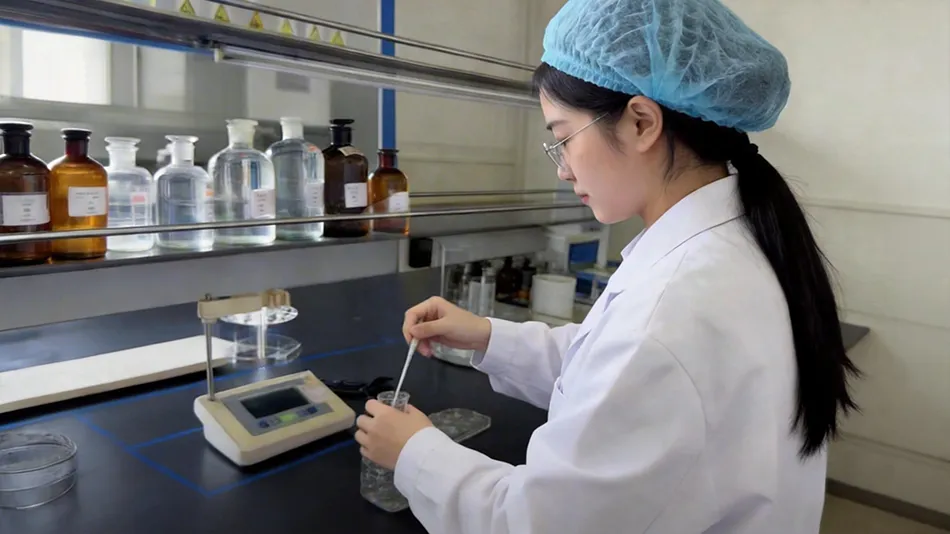
ZhenXi sensory lab achieves 78% acceptance vs 62% industry average, reducing reformulation cycles.
Regulatory Compliance
- FDA (USA)
Classify as conventional beverage or dietary supplement. Ensure GRAS status, compliant Nutrition Facts, caffeine disclosure, and substantiated structure/function claims. Maintain supplier documentation and COA for audits.
- EU Regulations
Comply with (EU) No 1169/2011. Assess novel food status for certain extracts via EFSA. Add caffeine warnings (>150 mg/L) and ensure BPA-NI packaging readiness for 2026.
- China framework
Use ingredients within the “medicine and food homology” list (106 items) for standard foods. Avoid restricted TCM materials unless approved for supplements.
- HALAL certification
Verify all inputs (including solvents and carriers) are compliant. Required for Middle East & Southeast Asia distribution.
- Label & claims control
Avoid disease claims; use structure/function language (e.g., “supports focus,” “helps reduce fatigue”). Maintain claim substantiation files.
ZhenXi provides FDA/EU/HALAL documentation packages, speeding approvals and reducing compliance risk.
Quality Control & Stability
- Microbial testing
Total plate count, yeast & mold, coliforms. Ensures safety across shelf life and distribution conditions.
- Heavy metal testing
As, Pb, Cd, Hg below regulatory limits. Critical for herbal extracts sourced globally.
- Active ingredient validation
HPLC/UV methods to confirm ginsenosides, polyphenols, caffeine levels per batch with COA.
- Shelf-life validation
Accelerated and real-time studies to confirm 12-month+ stability.
- Packaging compatibility
Assess interaction between formula and aluminum can linings (BPA-NI) to prevent corrosion, flavor scalping, or discoloration.
- Process control (HACCP)
Critical control points across mixing, pasteurization, and filling to ensure consistency.
Choosing the Right OEM Partner
- Herbal formulation experience
Request case studies, sample SKUs, and sensory benchmarks. Proven experience reduces trial-and-error cycles.
- R&D capability
In-house labs, pilot lines, and 50+ formulation libraries enable rapid iteration (4–12 weeks).
- Certifications & systems
ISO, HACCP, FSSC, HALAL, and traceability systems ensure global compliance and audit readiness.
- Flexible MOQ & scaling
Start with 1 container (≈50,000–70,000 cans), then scale seamlessly to multi-container runs.
- Lead time & reliability
Target 20–25 days production with high on-time rates to minimize stockouts.
- Integrated packaging
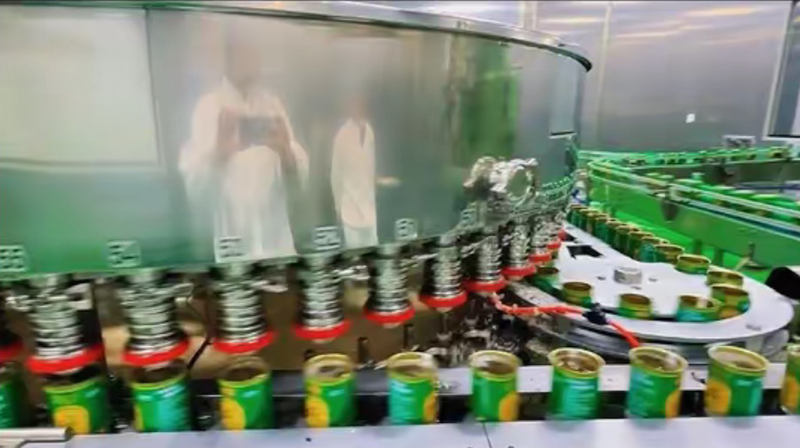
On-site can manufacturing, printing, and filling reduce coordination risk and cost.
Suppliers like Hainan ZhenXi offer end-to-end integration—from raw materials to final delivery—with 100% on-time delivery and 80% reorder rate, demonstrating execution strength.
Case Study: ZhenXi OEM Success
Client Goal
Launch a zero-sugar herbal energy drink with ginseng + ashwagandha + L-theanine, using natural caffeine, compliant in US/EU, with rapid pilot-to-scale.
Approach
- Formulation (4 weeks)
Selected base from ZhenXi library; optimized adaptogen ratios (ginseng:ashwagandha 1:2) and caffeine:L-theanine 2:1 for smooth energy.
- Sensory optimization (2–3 weeks)
Three rounds of blind testing; finalized grapefruit-citrus profile; optimized stevia/monk fruit curve.
- Stability & validation (6 weeks)
Accelerated testing confirmed >90% active retention; validated can compatibility (BPA-NI).
- Production & compliance
First run 55,000 cans; delivered in ~20 days with full FDA dossier and HALAL option.
Results
- Time to market: ~14 weeks (vs. 6–8 months typical)
- Distribution in 50+ retailers
- Sell-out in 3 months; reorder initiated (multi-container)
Future Trends
- Clean label dominance
Short ingredient lists, natural colors/flavors, and zero/low sugar will define mainstream SKUs.
- Multi-adaptogen stacks
Combinations like ginseng + ashwagandha + lion’s mane targeting energy + focus + stress.
- RTD convenience
Ready-to-drink formats will outpace powders due to ease of use and retail compatibility.
- Sustainable aluminum packaging
100% recyclable cans with BPA-NI linings become default for global brands.
- Evidence-backed claims
Partnerships for clinical validation and ingredient science will differentiate premium brands.
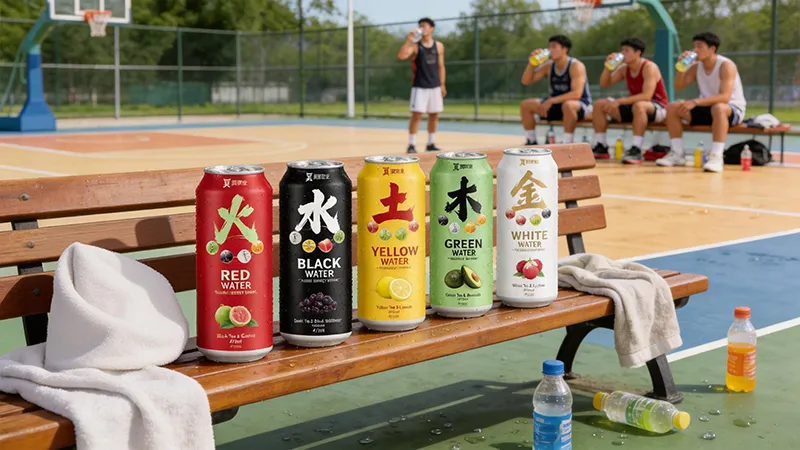
👉 Explore packaging and product examples: 473ml Aluminum Beverage Cans, 473ml red energy, and 473ml black energy for ready-to-market solutions
Conclusion & Action Plan
Key Takeaways
- Herbal energy drinks are a fast-growing global category driven by natural and functional demand
- Formulation, taste, and stability are the core technical barriers
- Regulatory compliance is essential for international expansion
- OEM manufacturers significantly reduce development risk and cost
Action Steps
- Define product concept and positioning
- Validate regulatory requirements
- Request OEM samples
- Launch pilot production
FAQ
1. What is the difference between herbal energy drinks and traditional energy drinks?
Herbal energy drinks rely on natural caffeine sources and adaptogens, offering sustained energy and reduced side effects. Traditional energy drinks mainly use synthetic caffeine, which can cause rapid spikes and crashes. Herbal options also provide additional benefits like stress support and cognitive enhancement.
2. What is the best ingredient combination for a herbal energy drink?
A balanced formula typically includes:
- Natural caffeine (guarana or green tea)
- Adaptogens (ginseng + ashwagandha)
- L-theanine (to smooth stimulation)
- Electrolytes (for hydration) This combination delivers energy, focus, and stability without overstimulation.
3. Can I create a private label herbal energy drink?
Yes. Most OEM manufacturers (like ZhenXi) offer private label energy drink services, including formulation, packaging, and compliance. This allows brands to launch without building their own production facilities.
4. What is the MOQ for OEM herbal energy drinks?
The standard MOQ is 1 container (approximately 50,000–70,000 cans). This allows brands to test the market before scaling production.
5. Are herbal energy drinks compliant globally?
Yes, but compliance depends on the market:
- USA: FDA + GRAS ingredients
- EU: EFSA + labeling rules
- Middle East: HALAL certification Working with an experienced OEM ensures all regulatory requirements are met.
6. Do herbal energy drinks contain caffeine?
Most herbal energy drinks contain natural caffeine, but caffeine-free versions can be developed using adaptogens alone.
7. How do you improve the taste of herbal drinks?
Taste is improved through:
- Sweetener blending (stevia + monk fruit)
- Flavor masking (citrus/berry systems)
- Acid balance (citric/malic acid)
- Texture optimization
8. How do I start developing a herbal energy drink?
Start by:
- Defining your concept
- Choosing target ingredients
- Contacting an OEM manufacturer
- Requesting samples and prototypes
- Testing and launching


