Daily focus is different from a short energy lift. A drink can feel strong in the first few minutes but still fail during a long work block, study session, or light fitness routine. That is why a natural energy drinks vs synthetic energy drinks comparison should look beyond caffeine strength. The better question is how the drink feels after the first sip, after one hour, and after repeated daily use.
Natural energy drinks usually rely on plant-based energy sources, botanicals, vitamins, and hydration support. Synthetic energy drinks often lean on isolated caffeine and faster stimulation. For private label beverage brands, the choice also affects positioning, repeat-purchase potential, claim risk, and channel fit.
Many consumers compare drinks by caffeine level first. Searches around caffeine content in popular energy drinks show that people want to know how much stimulation they are getting. This is useful, but it does not tell the whole story. A higher caffeine drink may feel fast, yet it may also feel too sharp for users who need steady work, reading, writing, or screen time.
The best energy drink for focus should support alertness without making the user feel tense or distracted. For office workers, students, and daily fitness users, a smoother formula may feel more practical than a product built only for impact. From a brand view, this also affects repeat purchase. A drink that feels too heavy, too sweet, or too aggressive may win trial but lose daily-use occasions.
The buyer looking for the best energy drink for mental focus is often asking whether a drink can help them stay clear without feeling overstimulated. For a beverage brand, the commercial question is whether the formula is easy to position, easy to explain on packaging, and less dependent on aggressive performance claims.
A useful daily-focus drink should solve four concerns:
This is also why an energy drink for study sessions should not be judged only by strength. Study users usually need steady attention, not a brief rush. For brands, study, office, wellness, and light fitness channels also require different claim language.
In a natural energy drinks vs synthetic energy drinks comparison, the difference starts with the energy source, but it does not end there. Natural-style drinks may use tea extract, guarana, mate, or other plant-based ingredients. Synthetic-style drinks may use isolated caffeine and a direct stimulation profile. Both can be effective when the formula is balanced.
Green tea-based formulas often suit daily-use positioning because they can combine alertness with a softer beverage identity. A synthetic formula may still fit brands that want a strong and fast effect. For private label planning, natural-style concepts are often easier to connect with office, study, wellness, and light fitness shelves, while high-stimulation concepts need tighter claim control.
|
decision factor |
natural-style direction |
synthetic-style direction |
B2B takeaway |
|
positioning fit |
daily focus, study, wellness, light fitness |
gaming, late-night, high-impact use |
choose by channel, not only caffeine |
|
repeat-use comfort |
smoother rise |
faster hit |
comfort supports repeat purchase |
|
product example size |
473ml aluminum can |
250-500ml formats |
serving size affects intensity |
|
launch check |
12 months above for this product example |
varies by formula and packaging |
test shelf life, labels, and claims |
A comparison table helps product teams avoid a common error: treating a higher-impact drink as the best choice for every consumer. For a brand, the better formula is the one that can be explained clearly to buyers, retailers, and end users without stretching the claim.
The question of whether energy drinks are good for studying has no single answer. They can help users feel more alert, but they do not replace sleep, meals, or a planned study rhythm. A drink may support a study block when the formula is moderate, drinkable, and paired with enough water and food.
An energy drink for study sessions should be easy to drink during reading, writing, revision, or long screen tasks. This is why people search for the best drinks for studying, the best drink for studying, or drinks for studying rather than only the strongest energy product. For brands, this points to a softer concept: steady focus, clean flavor, and routine use.
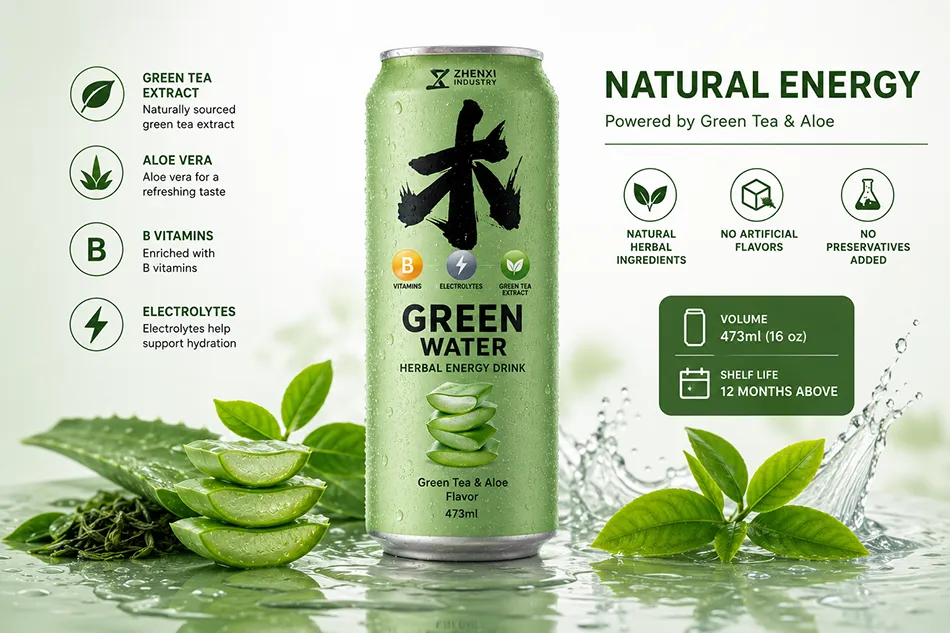
A tea-based formula can fit study and office scenes when it is built with balance. Green tea extract can support alertness, while aloe vera adds a refreshing mouthfeel. B vitamins and electrolytes make the formula feel more complete than a simple caffeine drink. This direction suits brands that want a daily-use product rather than a high-stimulation image.
The Natural Herbal Energy Drink 473ml with Green Tea & Aloe fits this role. It uses green tea extract, aloe vera, B vitamins, and electrolytes in a 473ml aluminum can. Its stronger angle is not the highest caffeine. It is smoother daily energy, hydration support, and a better fit for office productivity, study use, light fitness, and wellness-led product lines.
For brands, the choice should begin with the target user and sales channel. If the market wants late-night intensity, a stronger synthetic-style drink may fit. If the market wants office focus, study energy, wellness positioning, or a cleaner daily routine, natural-style formulas may be easier to position and repeat-purchase.
A natural-style drink can also support softer product language. Instead of making the product sound extreme, the brand can focus on alertness, drinkability, and routine-friendly use. This matters in B2B planning because distributors and retailers care about repeat orders, not only first-trial curiosity.
At ZhenXi, we work with beverage and aluminum can packaging categories, so formula discussion can connect with packaging format, sample planning, and private label direction. Still, the product concept should lead the project. Company capability should support the decision, not replace it.
Before choosing between natural and synthetic formulas, beverage brands should check ingredient limits, claim wording, sample taste, sweetener choice, packaging compatibility, stability testing, MOQ, and target market rules. This is especially important for focus, energy, and performance language.
For a green tea aloe drink, the brand also needs to decide whether the product should lean toward study, office, wellness, or light fitness. Each direction changes the flavor, sweetness, design, and sales message. This decision should come before artwork, sampling, and retailer presentation.
For a related tea-based energy topic, brands can also read Does Green Tea Give You Energy Without the Jitters? A Science-Based Guide before shaping a product brief.
Synthetic energy drinks may feel stronger at first. Natural energy drinks may feel better for daily focus when users want a smoother energy curve, a lighter drinking experience, and less aggressive positioning. For brands, the answer is also about which concept can be positioned clearly, repeated more easily, and supported with safer claim language.
For brands comparing formula directions, this comparison connects product feeling with buyer intent. A green tea aloe formula can work for study users, office workers, light fitness consumers, and wellness-focused buyers. It gives brands a functional energy concept without pushing the product into an extreme stimulation category.
If your team is planning a tea-based energy drink, an aloe functional beverage, or a daily-focus canned drink, share your product idea with our team to discuss sampling, formula direction, and private label production.
Q: Are natural energy drinks better than synthetic energy drinks?
A: Not always. Natural energy drinks may suit daily focus, office work, and study sessions, while synthetic energy drinks may suit users who want a faster and stronger effect. The better choice depends on caffeine tolerance, formula balance, taste, and target use.
Q: What is the best energy drink for focus?
A: It should support alertness without making the user feel overstimulated. A balanced formula with a suitable caffeine source, vitamins, and hydration support is often more practical for daily work or study than a drink built only around strong stimulation.
Q: Do energy drinks help you study?
A: They may help users feel more alert, but formula quality matters. An energy drink for study sessions should offer steady alertness, a comfortable flavor, and moderate stimulation. It works best when paired with enough sleep, meals, and hydration.


