Vitamin energy drinks give beverage brands a clearer product angle than a standard high-caffeine drink. The value is not only “more energy.” It is a mix of vitamin-led positioning, fruit flavor, convenient can packaging, and a daily-use image that can fit office, study, retail, and light activity scenes.
The practical question is whether the formula, flavor, packaging, and production plan can support the same story. A vitamin C energy drink should taste approachable, keep its claims controlled, and leave enough room for private label design.
Standard energy drinks often compete on stronger stimulation, heavier sweetness, or a more aggressive performance message. That route still has demand, but it can also limit the audience. This category works differently. It can sit between functional beverages, fruit drinks, and light energy products, which gives brands more room to build a softer but still useful product story.
For private label beverage brands, this matters because a product must be simple enough for buyers, retailers, and end consumers to grasp. “Vitamin C, fruit flavor, 355ml can, daily refreshment” is more direct than a long list of complex active ingredients. It also avoids forcing the brand into strict sports nutrition language. The product can be positioned for workdays, light workouts, travel, campus retail, and convenience channels.
Vitamin C is familiar to consumers, so it can make a functional drink easier to understand. However, the formula should not depend on broad health promises. A safer B2B approach is to use vitamin C as part of a vitamin-led beverage concept, then let flavor, packaging, and usage occasion complete the product story.
This is especially important for export and private label projects. Different markets may have different rules for nutrient claims, function claims, and ingredient limits. Before production, buyers should confirm the intended label wording, the target market, the amount of vitamin C, and whether the drink will include other functional ingredients such as electrolytes, B vitamins, guarana, or taurine. A clear formula brief reduces later changes and helps the supplier check whether the concept is realistic for sampling, filling, and shelf-life testing.
A vitamin drink often carries natural acidity from the vitamin system and fruit profile. If the sweetness is too flat, the drink can taste sharp. If the sweetness is too heavy, it may lose the lighter image that many buyers want from this category. The balance should fit the selling scene: convenience retail may need a brighter taste, while office or study use may need a smoother finish.
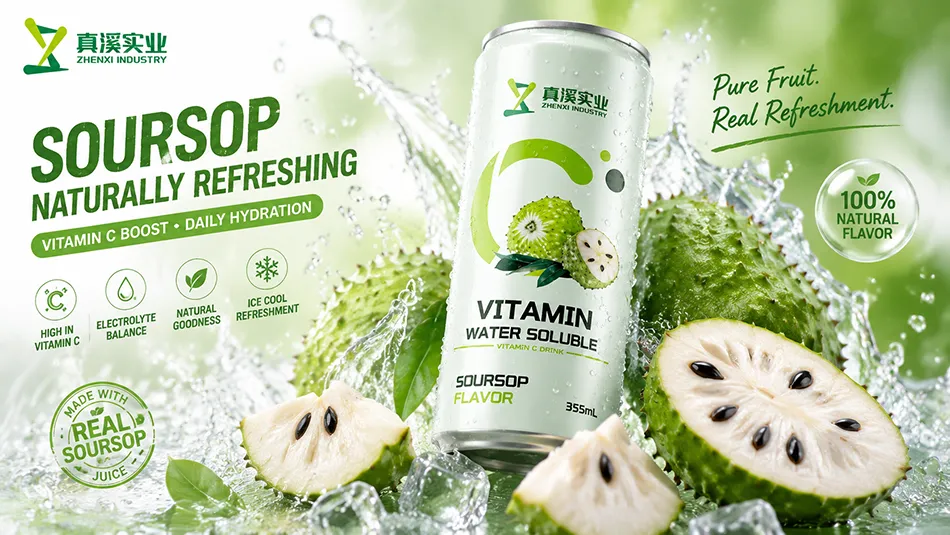
Soursop flavor is useful here because it gives a tropical identity without relying only on common orange or lemon notes. It can help a private label product feel more distinctive while still staying close to familiar fruit beverage expectations. For buyers, the key is not choosing an unusual flavor for novelty alone. The flavor should make the drink easier to repeat-purchase, easier to describe, and easier to match with the brand’s target price and channel.
A 355ml can gives a practical middle ground for a canned energy drink. It is not as large as a 500ml format, so it can feel suitable for daily refreshment. It is also more substantial than a small shot bottle, which gives the brand enough visual space for flavor, vitamin positioning, and private label artwork.
|
Can volume |
355 ml / 12 oz |
|
MOQ reference |
1 container |
|
Delivery time reference |
20–25 days |
|
Shelf life reference |
12 months above |
|
Common planning scenes |
office, study, light workouts, retail shelves |
The aluminum beverage can also suit the way functional drinks are sold. For a canned energy drink with vitamin C, packaging should also be discussed together with formula stability. Buyers need to check the product’s acidity, filling process, and storage expectations before approving mass production.
A useful example is355ml Soursop Water Soluble Vitamin C Drink. It fits this article’s topic because it brings together several points that matter in private label planning: water-soluble vitamin C positioning, soursop flavor, 355ml can packaging, OEM brand or ZhenXi brand options, private label support, and a clear order reference.
This product should not be treated as a promise that every vitamin energy drink must follow the same formula. It is better used as a practical reference for buyers who want to see how a fruit-led vitamin concept can be presented in a retail-ready can. The soursop profile gives the drink a tropical direction. The 355ml sleek can supports modern shelf appeal. The private label option leaves room for a buyer’s own brand story, design system, and channel strategy.
ZhenXi can support discussion around flavor direction, packaging format, sample review, and production planning, but the product itself should remain the focus of the article. For this category, the best supplier conversation starts with the buyer’s market, target consumers, label requirements, and expected launch volume.
Before sampling, buyers should align the beverage concept with production reality. This is where many projects become clearer. A good brief does not need to be complicated, but it should remove vague assumptions.
This checklist is useful for any energy drink OEM discussion because it connects the marketing idea with technical decisions. A buyer may want a low-sugar tropical vitamin drink, but the supplier still needs to know the preferred sweetness system, acidity range, filling format, and packaging plan. Once these details are clear, sampling becomes more efficient, and the final product has a better chance of staying consistent from trial to mass production.
This product type can be appealing, but the wording should stay measured. Phrases such as “daily refreshment,” “vitamin-led functional beverage,” “fruit-forward energy drink,” and “light activity positioning” are safer than claims that sound like treatment or guaranteed performance.
For readers comparing similar products, it may also help to review the related article Why Vitamin C Degrades in Plastic: The Hidden Benefits of Nanocrystalline Aluminum Cans near the later research stage. That topic connects packaging with vitamin-sensitive beverage planning, which is useful when buyers are deciding between PET bottles and aluminum beverage cans.
This category makes sense for private-label beverage brands when the product has a clear role. The category works best when vitamin C, fruit flavor, can packaging, and usage occasion support one another. A drink does not need to sound extreme to be valuable. It needs to be easy to explain, stable enough for production, and realistic for the target market.
For brands planning a vitamin C energy drink, the next step is to turn the idea into a production brief. Share the target market, flavor plan, can size, MOQ expectation, and label direction with our team through the energy drink OEM project form, and we can discuss how to move from concept to sample with a more practical plan.
Q: Are vitamin energy drinks the same as regular energy drinks?
A: Not exactly. Regular energy drinks often focus on stronger stimulation, while these drinks usually build their value around vitamins, fruit flavor, drinkability, and daily-use positioning. Some projects may still include ingredients such as caffeine, guarana, taurine, or electrolytes, but those choices should match the target market and label rules.
Q: Why is a 355ml can suitable for this type of drink?
A: A 355ml can is practical because it supports single-serve retail and daily drinking scenes. It gives enough space for flavor and private label design while avoiding the heavier image of a larger bottle. For a canned energy drink, this size can work well in convenience stores, office refreshment, study scenes, and light workout channels.
Q: What should buyers prepare before asking for a quote?
A: Buyers should prepare the target market, expected flavor, preferred sweetness level, packaging size, artwork status, intended order volume, and any claim requirements. These details help the supplier judge formula feasibility, sampling direction, MOQ planning, and production timing more accurately.


