A first canned production run can look simple from the outside. The buyer has approved the flavor, the can design looks ready, and the launch date is already on the calendar. Yet the real risk often appears between sample approval and mass filling. A small change in carbonation, can size, sealing condition, coding, or carton handling can affect the final order.
That is why a non alcoholic beer OEM project should not move into production with only a finished label and a target price. Buyers should know what happens before filling, how aluminum cans are cleaned, how filling and sealing are checked, and what information the supplier needs before scheduling the line. This article answers the practical question many buyers ask: how are soda cans filled and sealed when the product is an alcohol-free beer rather than a plain soft drink?
Before the beverage filling process begins, the project needs to move from sample language into production language. The buyer should not only say “the flavor is approved.” The supplier also needs the final liquid route, carbonation target, can format, artwork status, batch coding plan, carton requirement, and expected delivery window.
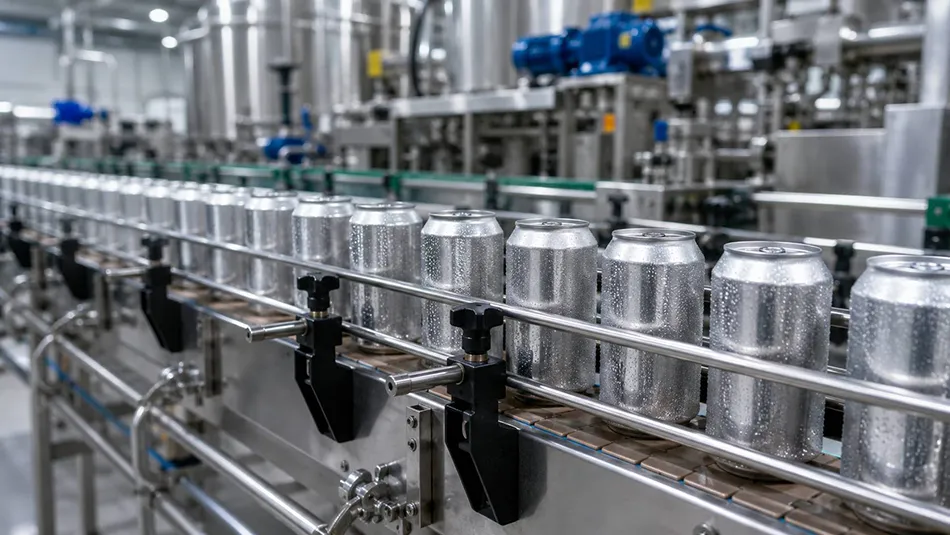
Empty aluminum cans usually enter the line before filling through unloading, loading, and cleaning steps. This helps remove dust or handling residue before the cans reach the filler. At the same time, the liquid side must be ready. For alcohol free beer production, that may include blending, mixing, carbonation control, and internal checks before filling. If the liquid is ready but the printed cans are delayed, the project waits. If the cans are ready but the formula still needs adjustment, warehouse and line planning become inefficient. Buyers can avoid this by confirming sample approval, size, artwork, and production volume before the filling date. When teams compare the non-alcoholic beer range, they should treat the product reference as one part of production planning, not only a flavor choice.
The phrase “how are soda cans filled and sealed” often brings a simple image: liquid goes in, the lid goes on, and the case is packed. In real canned beer production, the process has more checkpoints. Beer-style products may need closer attention to foam, pressure, aroma, and seam condition.
Carbonated products behave differently from still drinks. If the filling condition is not well matched, foam may rise too quickly, the liquid level may vary, or the product may lose some drinking quality. Canned non alcoholic beer also needs the right balance between carbonation and beer-like mouthfeel. Too little carbonation can make the product flat; too much can increase filling difficulty and package stress. The filling step should be reviewed with the approved sample, not as a separate factory action. Buyers should ask whether the production run will follow the same flavor and carbonation direction used during sample approval. For a 500ml beer-style reference, 500ml OEM Non Alcoholic Craft Beer can help teams discuss serving size, can format, and drinking occasion before mass production.
Buyers do not need to manage every factory setting, but they should know the checkpoints that can affect delivery quality. These checks also help the buyer ask more useful questions before the first production run.
|
Production Check |
Practical Reference |
Buyer Concern |
|
Common trial can |
250ml / 8.4 oz |
Sampling and fruit-led tests |
|
Beer-style can |
500ml / 16.9 oz |
Fuller drinking occasion |
|
Delivery planning |
20–25 days |
Launch calendar |
|
First order discussion |
1 container reference |
Commercial production scale |
|
Sample timing |
about 1 week, longer in peak season |
Internal approval plan |
|
Can design review |
color and artwork confirmation |
Printing and line scheduling |
These figures are planning references. Final timing, MOQ, shelf life, carton data, and shipping plan should be confirmed by the exact SKU, artwork status, and destination market.
A table helps buyers connect the approved sample with real factory steps. For example, a buyer may approve a 250ml fruit-led sample but later ask for a 500ml beer-style can. That is not a small change. It may affect filling volume, carton planning, freight weight, shelf position, and drinking experience. The same is true for printed can artwork. If the design file changes after color separation or proofing, production may be pushed back. Buyers should also confirm whether the project needs bottom coding, case coding, carton marks, shrink wrapping, or pallet requirements. These details may look ordinary, but they help the importer trace batches, receive goods, and distribute stock after arrival. A clear table makes the quote and production schedule easier to compare.
Alcohol-free beer is often sold beside soft drinks, but the production process is not always the same. It still needs beverage line discipline, but it also needs beer-style sensory control. Foam, carbonation, bitterness, aroma, and finish are part of the product promise.
The buyer may approve a sample because it has a clean aroma, light malt body, fruit note, and stable carbonation. During mass filling, those same sensory points should remain the target. A product labeled as beer-style should not taste like ordinary soda after production. Sealing also matters because it supports pressure retention and transport stability. The question is not only whether the can is closed. It is whether filling, sealing, warming, or sterilizing decisions, coding, and packing work together for the product route. At ZhenXi, we usually discuss the approved sample, can size, packaging, and production timing as connected items. That helps buyers keep alcohol free beer production aligned with the product they plan to sell.
The last stage before mass production is not the time to introduce large changes. It is time to freeze the practical details. If a buyer changes flavor, can size, artwork, or carton plan too late, the launch may lose time.
Before the line is scheduled, buyers can use one short confirmation sequence:
This sequence is not complicated, but it keeps the project controlled. It also separates buyer-side delays from factory-side work. For broader customization planning, buyers can review our OEM and ODM beverage service before sending the production brief.
Supplier readiness is not measured only by a low unit price. It should be judged by how clearly the supplier links the approved sample with factory execution. A good supplier should ask practical questions before production, not after a problem appears.
In canned beer production, buyers should ask whether the supplier can explain the route from liquid preparation to can cleaning, filling, sealing, warming or sterilizing, coding, case sealing, palletizing, and warehousing. The answer does not need to be a technical manual, but it should be clear enough for purchasing and quality teams. Buyers should also confirm what documents and certificates are available for the exact product and market. If the supplier gives only a price and avoids production questions, the buyer may face hidden risk later. For background on how beer-style flavor is built before packaging, buyers can read How is Non Alcoholic Beer Made and Why Does Craft Non Alcoholic Beer Taste So Good. It can support internal sample discussion before the first order is fixed.
Non alcoholic beer OEM production should not move from sample approval to mass filling without a clear production check. Buyers should confirm liquid readiness, can preparation, filling behavior, sealing, coding, carton handling, and delivery timing before the first run. The question of how soda cans are filled and sealed becomes more useful when it is connected to the actual beverage filling process and the final sales channel.
When your team is ready to prepare the first canned run, send your canned production checklist with flavor route, can size, artwork status, carbonation target, first order quantity, carton needs, and launch schedule.
Q: What should buyers check before non alcoholic beer OEM production?
A: Buyers should confirm the final sample, alcohol wording, can size, filling volume, artwork, carton plan, coding, delivery window, and approval process before mass production starts.
Q: How are soda cans filled and sealed for alcohol-free beer?
A: The process usually includes can preparation, filling, sealing, coding, packing, and warehousing. For alcohol-free beer, carbonation, foam behavior, aroma, and beer-style finish should also be checked.
Q: Is alcohol free beer production the same as soft drink production?
A: Not exactly. Some line steps may look similar, but beer-style products need closer attention to carbonation, foam, bitterness, aroma, sealing condition, and the final drinking experience.


