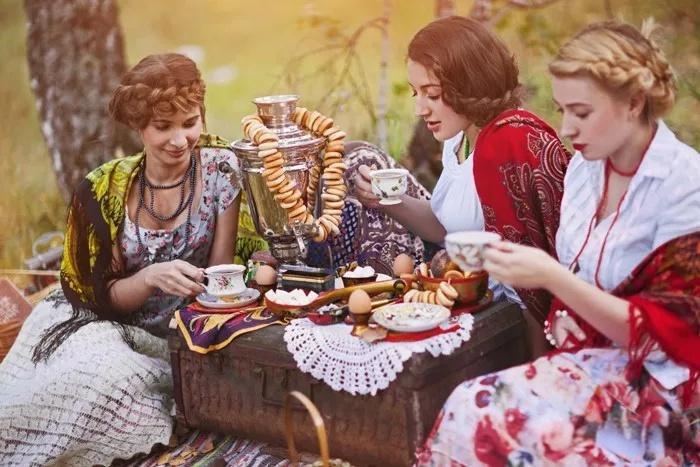
Europe is usually divided into five regions in terms of geography: Northern Europe, Southern Europe, Western Europe, Central Europe and Eastern Europe. However, the countries that have played an important role in tea drinking and have an important position in the history of tea drinking are mainly distributed in Eastern and Western Europe.
Eastern Europe refers to the eastern part of Europe. Geographically, the area east of Germany, Austria and Italy to the Asian-European international boundary is generally regarded as Eastern Europe, including Belarus, Estonia, Latvia, Lithuania, Moldova, Russia, Ukraine, Romania, Poland, Czech Republic, Slovakia, Hungary, Bulgaria and many other countries. Tea drinking in Eastern European countries is greatly influenced by Russia. The tea consumed in most countries was spread by Russian caravans after the 1720s, and the history of tea drinking is mostly less than 400 years. Here are a few representative tea drinking countries in Eastern Europe, briefly described as follows.
Russia is located in the northern part of Eurasia, spanning the two continents of Europe and Asia, and is the largest country in the world. The history of tea drinking can be traced back to 1638, when the Russian envoy Vasily Starkov returned from Mongolia. The Mongolian Khan asked Vasily Starkov to bring 4 poods of tea (1 pood equals 16.38 kg) to the Tsar, which opened the history of tea drinking in Russia, indicating that Russians have been drinking tea for at least 400 years. Therefore, in history, Russians called tea "chai", which is consistent with the pronunciation of "tea" in China, indicating that the Russian tea drinking culture was spread from China.
In 1727, China and Russia signed the "Kyaqta Mutual Trade Treaty". After the land trade centered on Kyakhta was opened, Shanxi merchants continuously imported tea into Russia through Kyakhta, which eventually made the Russian tea drinking culture gradually popular. Since then, Russia has become the largest buyer of Chinese tea on the northern route to the outside world. Since the 19th century, tea drinking has spread from the court and the nobility to the people, and the trend of tea drinking has quickly spread across the country, so that there are records of rural tea parties in many Russian works at that time. For example, there are contents about rural tea parties in the works of Pushkin (1799-1837), a famous Russian poet, indicating that tea drinking has entered every corner of urban and rural areas. Since the 20th century, Russians not only cannot do without tea for three meals a day, but also have morning tea and afternoon tea, especially afternoon tea, which is unshakable. Tea has become the most popular and popular beverage in Russia.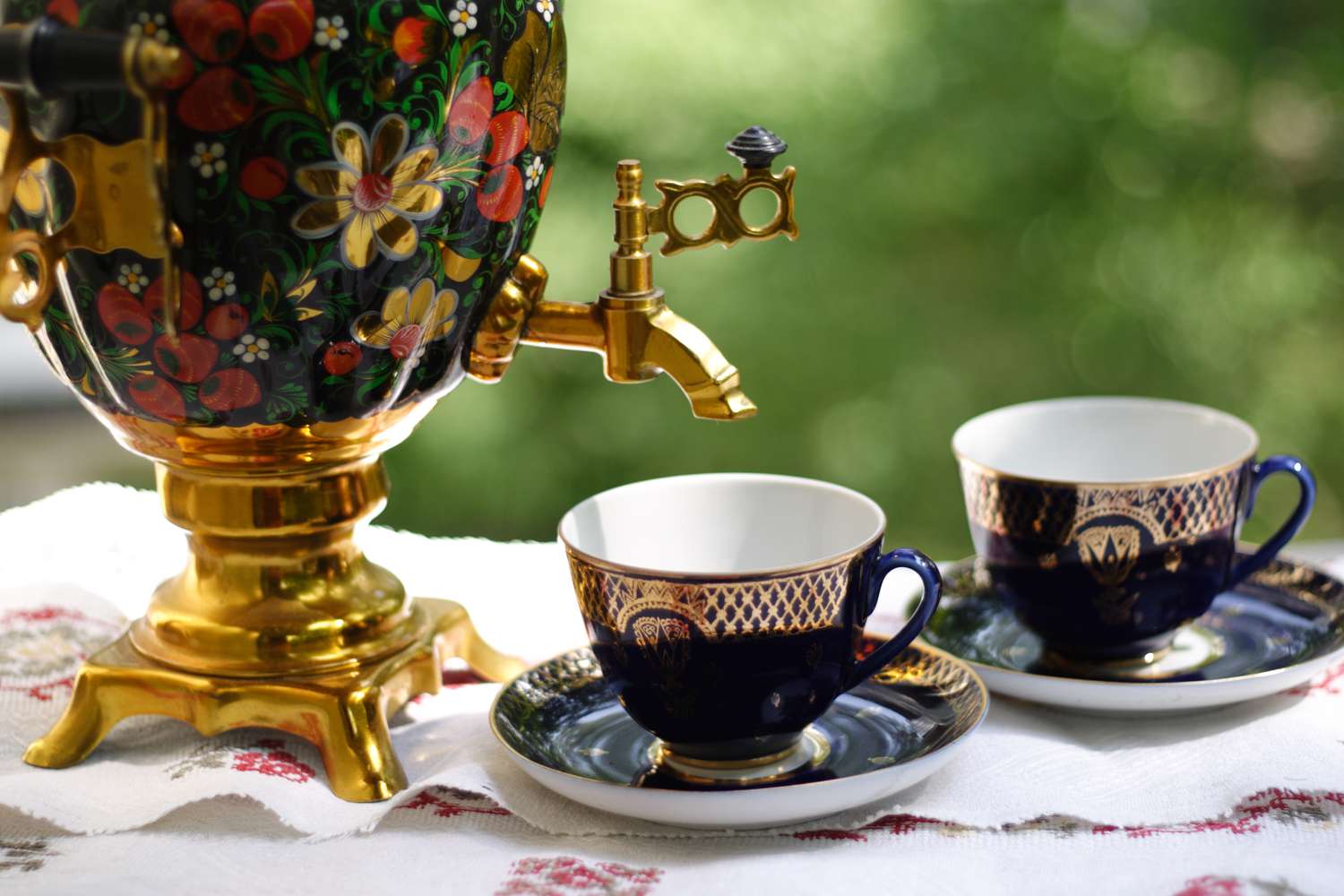
However, different nationalities have different tea drinking customs. Russians drink tea, which is different from most Chinese people. They drink tea with large plates and small dishes, accompanied by scones, bread, cakes, pies, biscuits, sugar cubes, jam, honey, etc., as a supplement outside the three meals, or even replace one of the three meals. In addition, if relatives and friends come into the room, Russians also regard tea drinking as a way of communication, and use tea drinking to achieve the best communication and communication effect.
Since Russians drink tea 3 to 5 times a day, the annual per capita tea consumption in Russia has reached more than 3 pounds. They drink tea at home. If they go out, whether in the city or the countryside, there are tea drinking places similar to Chinese teahouses, and in towns, as long as there are food merchants, they can drink hot tea with strong fragrance. In short, the shadow of tea drinking is everywhere in Russia.
Russians are accustomed to drinking black tea, and they like to drink black tea with sweet taste, so they have the habit of "no sweet, no tea". Russians often use copper, hot pot-shaped, called "Samovar" to make tea. The shapes of tea samovars are varied, including spherical, barrel-shaped, bottle-shaped, cup-shaped, can-shaped, and some irregular-shaped tea samovars. But the old-style tea samovar has a barrel with charcoal in the middle and smoke on the top, surrounded by a pot for boiling water, and a faucet on the side of the pot. After the water boils, water is poured from the faucet to make tea. After brewing tea, Russians often cover the teapot with a cover in the shape of a hen or a Russian aunt, and then pour the tea into the teacup after the tea is brewed. Nowadays, the traditional samovars with refined craftsmanship have been collected as treasures and replaced by simple electric samovars, but the appearance is often decorated with Slavic folk decorations. In addition, on some important folk traditional festivals, such as New Year's Eve, Russian Christmas, Victory Day, and when particularly important guests come, housewives will take out the treasured traditional samovars, brew tea, and chat with each other, creating the fun of brewing tea in the past, which is unforgettable for a long time and makes brewing tea a cultural and emotional enjoyment.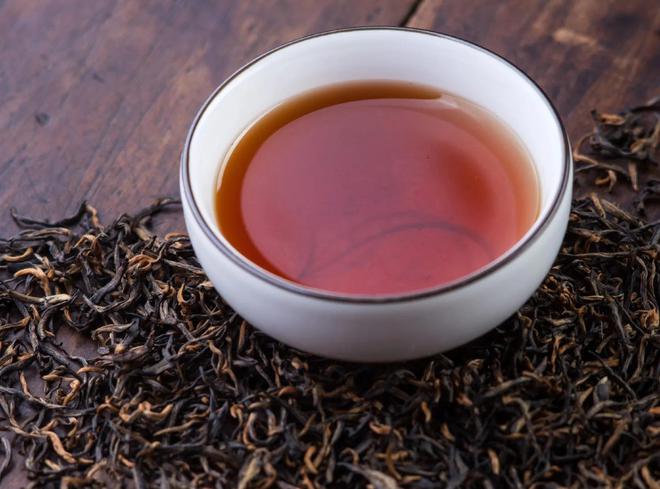
The tea brewed by Russians is particularly concentrated. When drinking tea, you always have to pour half a cup of strong tea first; then heat the boiling water to 70% to 80% full; then add sugar cubes, lemon slices, honey, milk, jam, etc. to the tea, and the types and quantities are up to you. Russians are particular about drinking tea, and they also drink tea with biscuits, shavings, desserts, cakes and the like. Due to different living habits, Russians pay special attention to lunch, but even after a hearty lunch, tea must be served, and snacks are indispensable when serving tea, especially a small snack called "tea biscuits", which must be served with tea and cannot be omitted.
It is worth mentioning that Russians also like to drink a sweet tea with honey instead of sugar. This tea drinking custom mostly occurs in mountainous villages in Russia. When drinking tea, people like to pour the tea into a small tea saucer instead of pouring it into a tea bowl or teacup, and then put their palms flat with a tea saucer filled with tea on their palms. At the same time, use a tea spoon to put a mouthful of honey in their mouth. Then, put your mouth close to the tea saucer and suck the tea. This way of drinking tea, which allows honey to slowly blend into the tea in the mouth and adjust the sweetness of the tea at will, is called "drinking tea with a tea saucer" by Russians. However, there are also some places where jam is used instead of honey, but the drinking method is the same. This way of drinking tea was more common in Russian villages in the 18th and 19th centuries.
In modern times, Russians still cannot do without samovars in their family life, but people are more accustomed to using electric samovars to boil water and using porcelain teapots to brew tea. The amount of tea used is usually determined by the number of people drinking tea, but Russians often brew stronger tea, usually one teaspoon per person. After the tea is brewed for 2 to 3 minutes, the housewife will always pour an appropriate amount of brewed strong tea into each person's cup, and then add water from the samovar into the cup to mix it evenly. On holidays, festive days, or days when old friends meet after a long separation, Russians are still accustomed to sitting around the samovar, drinking tea to express their feelings and create an atmosphere, just like in the 20th century.
Poland is located in the central European continent and has a temperate climate. The climatic conditions are not suitable for the growth of tea trees. However, in real life, Poland is a major tea consumer. According to statistics in 2013, tea consumption in Europe ranked third in Europe, second only to Russia and the United Kingdom. The annual per capita tea consumption in Europe ranks fourth, second only to Ireland, the United Kingdom and Russia. Today, tea has become an important part of the daily life of the Polish people. In the past decade, Poland's annual tea imports have remained above 30,000 tons.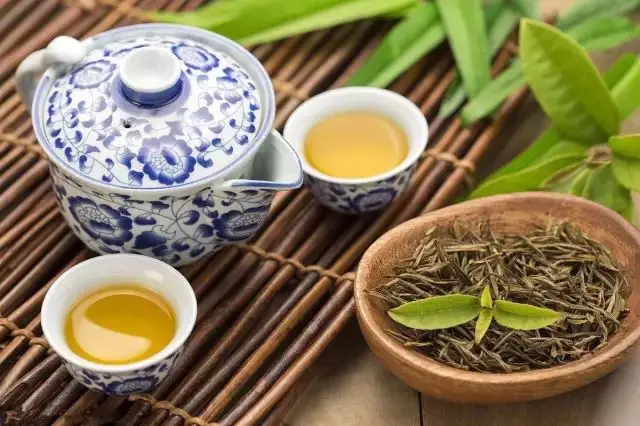
It is recorded that as early as the 17th century, Polish missionary Michat Boym introduced tea to Poland, but at that time tea was not regarded as a beverage, but as a medicine by the Poles. In Polish, the pronunciation of tea is different from "Tea" in English and "ЧAЙ" in Russian. Instead, it is pronounced as "Herbata", which is close to herb (Herb). It was not until the beginning of the 18th century that tea was used as a beverage in Poland. Although tea drinking began more than a century later than in the Netherlands, Russia and other countries, the popularity of tea drinking in Poland is still relatively fast. Because the Poles found that drinking tea can not only quench thirst, but also is very good for health. This is largely related to the fact that the Polish diet is mainly composed of dairy and meat products, and they eat less vegetables, which makes tea naturally associated with the Polish people. In view of this, in the 18th century, several famous Polish poets such as W. Kohanowski, Buklaszczyk, and K. Kluck mentioned tea in their works, indicating that tea drinking has gradually moved from the upper class to the common people. However, from the late 18th century to the 19th century, due to war, tea drinking in Poland fell into a trough. This situation did not improve until the 20th century, so tea continued to flow into Poland, and tea drinking quickly became popular throughout the country. According to statistics, since 2008, the consumption of tea in Poland has exceeded that of coffee. Today, tea has become a "friend" of the Polish people. The Polish people cannot live without tea, and the annual per capita tea consumption has exceeded 1 kilogram.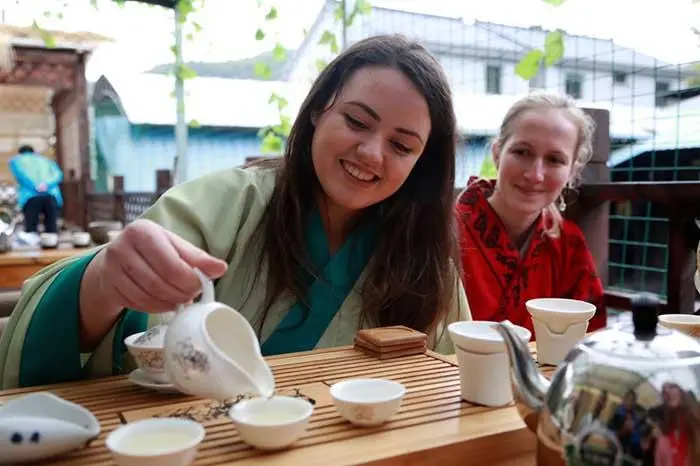
Almost every Polish family has a collection of tea. They like to drink red and durable black tea the most, and they are more accustomed to choosing disposable black tea bags. However, the Polish tea drinking has a distinct Russian color. Generally, tea is brewed with a samovar, that is, a large pot is used to boil water and a small pot is used to brew strong tea. When drinking tea, most people prefer to drink milk black tea and lemon black tea, that is, black tea is used as the main ingredient, and it is brewed or cooked in a pot with boiling water to make strong tea, and then sugar, milk, or sugar and lemon are added to mix them to make milk tea or lemon tea. Only a few Poles have the habit of drinking black tea.
Poles mainly drink black tea, mainly from India, Sri Lanka and Kenya. The second is green tea, which is mainly produced in China. In addition, a few Poles also have the habit of drinking scented tea, but the number is not large.
Poles are very hospitable. In the past, whenever a guest came in, the host would take the initiative to ask you, do you want to make tea or coffee? Nowadays, whenever a guest comes in, tea is the main drink, but most of the tea is brewed in disposable tea bags, so there is no way to refill the water, unless you take the initiative to ask, then you have to make tea again. Since tea culture has penetrated into the lives of Polish people, when people invite each other for something, Polish people will also use "I want to invite you to have a cup of tea" instead of "I have something to discuss with you."